
A foul, rotten egg smell coming from your hot water can be an unpleasant surprise. This odor typically indicates a problem within your water heater, but it is often fixable with some maintenance steps.
Fix a Water Heater That Smells Like Rotten Eggs
A water heater that smells like rotten eggs usually means hydrogen sulfide gas is in the hot water. To fix it, start by flushing the tank to remove sediment and bacteria, then check the anode rod and replace it if it’s causing the odor.
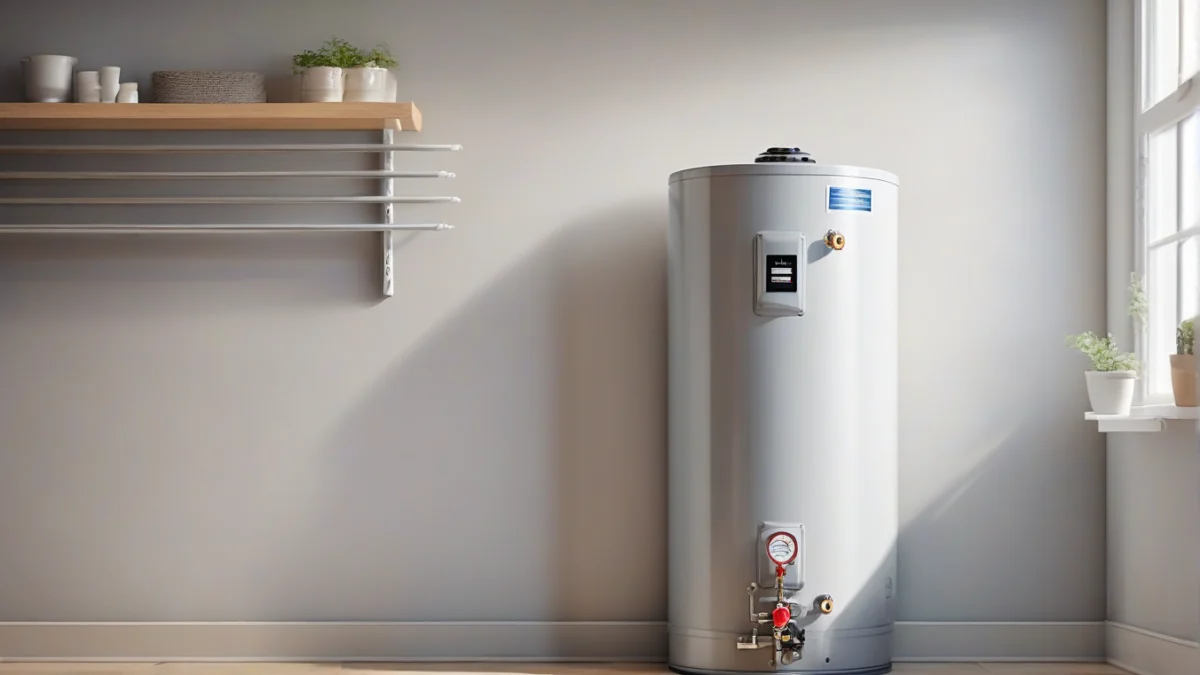
Why does my hot water smell bad? The smell comes from bacteria reacting with the anode rod inside the tank, producing sulfur compounds. Flushing the tank clears out the bacteria, and a new anode rod can stop the problem at its source.
- Turn Off Power and Water SupplySwitch off the electric breaker or gas valve. Close the cold water supply valve to the heater.
- Drain the TankAttach a garden hose to the drain valve near the bottom of the tank. Open the valve and drain the water into a bucket or outside. Opening a hot water faucet in your home helps air enter the tank for faster draining.
- Flush the TankWith the drain valve open, briefly open and close the cold water supply valve to stir and flush out sediment. Repeat until water runs clear.
- Inspect the Anode RodRemove the anode rod, usually on top of the tank, using a socket wrench. If it is heavily corroded, replace it with a new magnesium or aluminum rod designed for your model.
- Refill and RestartClose the drain valve, open the cold water valve, and let the tank fill. Open a hot water faucet to release air. Restore power or gas and let the water heat.
Replacing the anode rod is necessary when flushing does not remove the smell or if the rod is visibly degraded. A magnesium rod tends to cause more odor; switching to an aluminum or zinc-aluminum rod can reduce sulfur smells.
Understanding the Causes of the Rotten Egg Smell
The rotten egg smell in your water heater comes from hydrogen sulfide gas formed by a chemical reaction inside the tank. This gas smells like sulfur or rotten eggs and only appears in hot water, not cold.
The main cause is sulfate-reducing bacteria that thrive in the warm, oxygen-poor environment inside the water heater. These bacteria consume sulfates naturally present in water and produce hydrogen sulfide as a byproduct.
An important factor is the water heater’s anode rod, usually made of magnesium or aluminum. It attracts corrosive elements to protect the tank but can also react with the bacteria and sulfates to create the smell.
Bacterial growth often happens in the sediment that settles at the bottom of the tank. Sediment traps organic material that feeds the bacteria, allowing the hydrogen sulfide gas to build up over time.
The water source can contribute to the problem too. Well water often contains more sulfates and organic material than municipal water, increasing the chance of bacterial growth and odor.
Replacing the anode rod or flushing the tank removes the bacteria and sediment that cause the smell. Understanding these causes helps you target the right fix and prevents the odor from returning.
When to Replace Your Anode Rod
The anode rod protects your water heater tank from corrosion, but it wears out over time. Replace it when it is heavily corroded or coated with mineral deposits. A bad anode rod can no longer prevent rust, which leads to smelly water and tank damage.

Signs the anode rod needs replacing include visible corrosion when you inspect it, a rotten egg smell that returns after flushing, or rusty water. Some rods dissolve until they are less than 1/2 inch thick or break apart inside the tank.
Most water heaters have a magnesium or aluminum anode rod. Magnesium rods offer better corrosion protection and reduce the rotten egg smell but can cause a higher rate of rod consumption in hard water. Aluminum rods last longer in hard water but may not control odors as well.
To replace the anode rod, first turn off the water heater’s power or gas supply and shut off the cold water inlet. Drain a few gallons from the tank to lower the water level below the anode rod opening, usually on top of the tank. Use a socket wrench to unscrew the rod, then install the new one by reversing the steps.
Preventing the Smell from Returning
To prevent the rotten egg smell in your water heater, regular maintenance is essential. Flushing the tank every six to twelve months removes sediment that feeds bacteria causing the odor. This keeps the water clean and the heater efficient.
Check the anode rod annually and replace it every three to five years or sooner if it shows signs of wear. A healthy anode rod controls corrosion and limits bacterial growth that produces hydrogen sulfide gas.
Set your water heater temperature to 120°F or higher. Hot water above this temperature kills bacteria responsible for the odor without wasting energy or scalding users. Avoid lower settings that encourage bacterial growth.
Regular upkeep keeps your water fresh and your heater working well. If the smell returns despite maintenance, test your water source or consult a plumber to rule out other causes.
When to Call a Professional Plumber
Hire a professional plumber if the rotten egg smell in your water heater is overwhelming or if anyone in your home experiences health symptoms like nausea, dizziness, or breathing problems. These signs can indicate a serious buildup of hydrogen sulfide gas or other contaminants that need expert handling.
Complex plumbing issues also require a plumber. If flushing the tank and replacing the anode rod do not stop the odor, or if there are leaks, corrosion, or faulty valves, a plumber can diagnose and fix these problems safely. Water heaters involve gas lines, electrical wiring, and pressure systems that pose risks if handled incorrectly.
Persistent odor after maintenance is a key reason to call a plumber. Sometimes sediment buildup, bacterial contamination, or damaged components inside the tank need professional assessment. A plumber can perform thorough cleaning, test water quality, and replace parts that DIY methods cannot address.
Frequently Asked Questions
How do I know if my water heater needs flushing?
What should I do if the rotten egg smell persists?
Can I replace the anode rod myself?
How often should I flush my water heater?
What are the symptoms of hydrogen sulfide exposure?
Is it safe to use my water heater if it smells?
The other half of this decision is anode rod replacement frequency.
There is more on 5 signs your water heater anode rod needs replacing in a guide of its own. If that sounds like your room, read up on water heater maintenance guide next.
