
Summer in the UK can bring intense heat, making homes uncomfortable. Effective insulation strategies are essential to manage heat gain and maintain a pleasant indoor environment.
UK Summer Insulation Tips to Keep Your Rooms Cool
Without insulation, a room can quickly become hot in summer because it lacks barriers to slow heat entering from outside. To keep a room warm without insulation, focus on controlling airflow and using localized heat sources. Insulation manages heat by reducing how much solar gain and outdoor heat pass through walls, ceilings and windows.
Solar gain is the main cause of indoor heat in summer. Sunlight passes through windows and heats surfaces inside, which then radiate warmth into the room. Insulation slows this process by reflecting or blocking heat before it enters, keeping indoor temperatures lower.
Start by adding reflective barriers like foil insulation sheets on windows or walls that face direct sunlight. These reflect most of the solar heat away before it can warm the interior. The FONUNO Bubble Insulation Sheet is a good choice: it combines reflective aluminum film with air bubbles to reduce heat transfer and is easy to install with tape.

Ventilation works alongside insulation to keep rooms cool. A well-ventilated room expels hot air and draws in cooler air, reducing heat buildup. Use ceiling fans or open windows during cooler parts of the day to improve airflow. Ventilation also prevents humidity that makes heat feel more oppressive.
- Check for direct sunlightIdentify windows or walls that get strong sun in the afternoon and morning. These areas need extra insulation or shading.
- Install reflective insulationCut reflective foil insulation to fit windows or walls and fix it with tape or hooks. This blocks solar heat before it enters.
- Improve ventilationUse fans or open windows early morning and late evening to remove hot air. Keep vents clear and unblocked.
- Use heavy curtains at nightClose blackout curtains to trap cooler air inside and block residual heat from outside.
| Appliance | Watts | Per hour | Per day (8 h) | Per month (30 days) |
|---|---|---|---|---|
| 1,500 W fan running 8 hours a day | 1,500 W | 26¢ | $2.04 | $61.20 |
Understanding Solar Gain and Heat Management
Solar gain is the process where sunlight enters a room and heats up surfaces inside. Without insulation, a room absorbs this heat quickly, causing temperatures to rise. For example, a studio room with insulation will stay cooler because the insulation slows heat transfer from outside to inside.
Thermal mass refers to materials like concrete or brick that absorb and store heat during the day and release it slowly when temperatures drop. In summer, high thermal mass can keep a room warmer in the evening. This effect can be helpful in cooler climates but may increase unwanted heat in hot weather if the room is not properly ventilated or shaded.
| Material | Thermal Mass Effect | Impact on Summer Heat |
|---|---|---|
| Concrete walls | High | Stores heat, can increase indoor temperature at night |
| Insulation (foam, mineral wool) | Low | Reduces heat transfer, keeps room cooler |
| Wood frame | Medium | Moderate heat storage, less than concrete |
| Glass windows | Low | Allows solar gain, can cause overheating |
A room with no insulation will heat up rapidly during the day because it lacks barriers to slow solar gain. Adding insulation reduces this effect by reflecting or absorbing less heat. For a studio room, insulation combined with shading and ventilation offers the best control over temperature.
Managing solar gain means balancing insulation and thermal mass with shading and airflow. Reflective barriers on roofs or walls can reduce heat entry. Light-colored surfaces reflect more sunlight, reducing heat absorption. Dark surfaces absorb more heat and raise indoor temperatures.
Ventilation Strategies for a Cooler Home
Ventilation cools a home by moving warm air out and bringing cooler air in. The stack effect happens when warm air rises and escapes through vents or openings at the top of a building. Cooler air enters through lower openings, creating natural airflow that lowers indoor temperatures.

To use the stack effect effectively, open windows or vents at different heights to encourage air movement. Cross-ventilation works well by opening windows on opposite sides of a room or house. This lets fresh air replace hot indoor air quickly.
A utility room with insulation benefits from ventilation to prevent heat build-up from appliances. Even well-insulated spaces can become uncomfortable without airflow to remove warm air and humidity.
- Open windows early and lateOpen windows in the early morning and late evening when outdoor air is cooler to flush out heat accumulated during the day.
- Use ceiling or portable fansFans increase air movement and enhance cooling by speeding evaporation of sweat from skin.
- Close windows and blinds during the dayKeep windows and blinds closed during peak sunlight hours to block heat from entering.
- Install vents at different heightsVents or trickle vents near the floor and ceiling promote the stack effect for natural cooling.
If your home overheats despite ventilation and insulation, renting a cold room for summer may be a practical short-term option. This is especially true if your insulation level is low and ventilation limited, making indoor cooling difficult.
Effective ventilation and insulation together reduce reliance on electric cooling devices and improve comfort in hot months.
Effective Shading Solutions
External shading cuts direct sunlight before it hits windows, reducing heat gain effectively. Awnings block high summer sun while still allowing light on cooler days. Trees planted on the south and west sides provide natural shade and cool the air by transpiration.
Skylights need shading or insulation to prevent overheating. Reflective films or insulated blinds designed for skylights create a heat barrier that stops solar radiation from warming the room below.
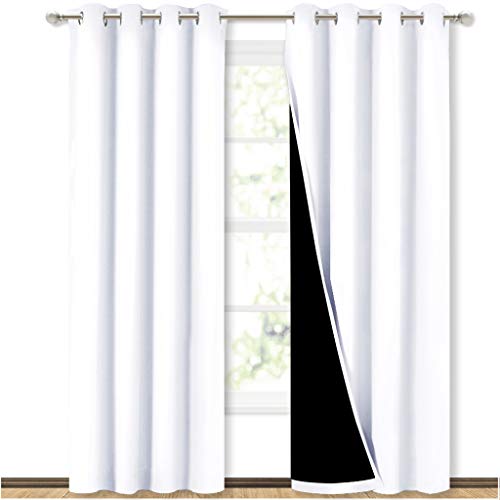
Inside, blackout curtains with a thick liner reflect and absorb sunlight, lowering indoor temperatures. They also block UV rays that fade furniture. For a cheap heat reflector, aluminum foil-backed bubble insulation sheets can be taped to window frames or skylights to bounce heat outward.
| Shading Type | Effectiveness | Cost | Notes |
|---|---|---|---|
| Awnings | High | Moderate | Best on south-facing windows |
| Shade Trees | High | Low | Takes years to grow |
| Blackout Curtains | Moderate | Low to Moderate | Blocks light and heat; use dense fabric |
| Reflective Film | Moderate | Low | Best on skylights or windows |
| Bubble Insulation Sheet | Moderate | Low | DIY heat reflector for windows/skylights |
Choosing the Right Insulation for Summer
For brick walls, the best summer insulation starts with adding a layer on the inside or outside to reduce heat transfer. Internal insulation boards or insulated plasterboard work well when external changes aren’t possible. These materials slow heat entering from outside, keeping rooms cooler.

If your room has no existing insulation, adding insulation to the attic and floors is the easiest first step. You can also use thermal curtains or blinds to add a barrier at windows. These measures reduce solar gain and stop heat from building up inside.
Reflective barriers are key for summer insulation. They reflect radiant heat away before it warms walls or roof spaces. Foil-faced boards or reflective foil insulation installed under roof rafters or behind wall panels can cut heat gain by up to 97% of radiant heat.
| Insulation Material | Best Use in Summer | Key Properties |
|---|---|---|
| Mineral Wool | Walls, lofts | Good thermal resistance, breathable |
| Expanded Polystyrene (EPS) | External wall insulation | Lightweight, moisture resistant |
| Polyisocyanurate (PIR) Boards | Roof and wall insulation | High R-value, thin profile |
| Reflective Foil Insulation | Roof rafters, cavity walls | Reflects radiant heat, lightweight |
| Insulated Plasterboard | Internal wall insulation | Improves thermal resistance, easy to install |
High-performance insulation like PIR boards offers the best R-value per inch, meaning less thickness is needed to block heat. Combining this with a reflective barrier in roof spaces can keep attic temperatures significantly lower.
When insulating a room without existing insulation, start by sealing drafts and gaps around windows and doors. Then add insulation where you can access walls or ceilings. Temporary options like thermal curtains or window films help while you plan permanent upgrades.
Quick Checklist for Keeping Your Home Cool
- Close blinds and curtains during the dayBlock direct sunlight early to prevent rooms heating up.
- Open windows in the evening and early morningUse cooler outdoor air to flush out warm air inside.
- Use fans to circulate airFans increase comfort by moving air, not cooling the room itself.
- Check and maintain insulationLook for gaps or damage in attic and wall insulation regularly.
- Keep ventilation clear and workingClean vents and fans to ensure airflow is not blocked.
- Seal drafts and gapsUse weatherstripping or caulk to stop warm air from entering.
For a cold room with poor insulation, use a portable heater designed for uninsulated spaces. Models with higher wattage and thermostats suited for garages or workshops provide steady heat without overloading circuits. See our guide on the best heaters for uninsulated rooms garages for options.
If your room cools down fast in winter, check insulation and draft sealing first. Temporary solutions include heated blankets or radiant heaters placed near seating areas. A daily routine of closing curtains at dusk and airing rooms only when cooler outside helps maintain temperature.
Frequently Asked Questions
What are the best materials for summer insulation in the UK?
How can I prevent my room from getting too hot in summer?
What is the role of ventilation in summer cooling?
How do reflective barriers work in hot weather?
Can I insulate my home without professional help?
What are the signs of inadequate insulation in summer?
It helps to understand improving skylight efficiency before spending anything.
It helps to understand how to insulate a thin roof before spending anything.