
Drafts around doors can make your home uncomfortable and increase heating costs. Identifying the source of the draft and sealing it properly can improve your indoor climate and save energy.
Common causes include gaps between the door and frame, worn-out weather stripping, and poorly fitted doors. This guide will help you fix these issues.
How to Stop a Draft Around a Door
Drafts around doors let cold air in and warm air out. To stop them, seal gaps with weather stripping or a door draft stopper. Focus on the edges, the threshold, and any cracks. Use products designed for doors, not general caulk or tape, which often fail or damage surfaces. A tight seal saves energy and keeps your home comfortable.
Drafts often come from gaps around the door frame, under the door, or through worn weather stripping. Patio doors are especially prone to drafts because of their larger glass surfaces and sliding mechanisms.
- Check for Draft SourcesClose the door and run your hand or a lit candle along the edges and bottom. If you feel cold air or see the candle flame flicker, note the exact spots where air leaks.
- Remove Old Weather StrippingPeel off any cracked or compressed weather stripping from the door frame. Clean the surface with rubbing alcohol to ensure new strips stick properly.
- Apply New Weather StrippingMeasure the door frame and cut the weather stripping to length. Press it firmly along the sides and top of the frame to seal gaps. Use foam, rubber, or vinyl strips rated for exterior doors.
- Install a Door Draft StopperAttach a draft stopper or door sweep to the bottom of the door to block air from entering underneath. Adjust it so it seals the floor without dragging and interfering with door movement.
- Replace Weather Stripping When NeededIf the stripping is brittle, flattened, or missing pieces, replace it. Worn stripping loses its ability to compress and seal, allowing drafts to pass. Inspect stripping annually, especially before cold seasons.
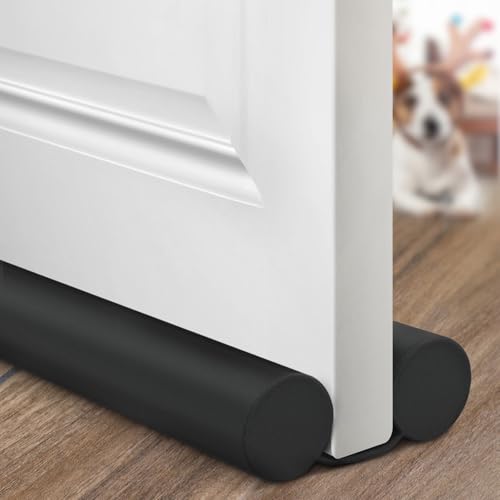
Preventing drafts improves comfort and lowers heating bills. Sealing the door frame and threshold is the first step. For more ways to stop drafts under doors, see how to stop drafts under doors. For patio doors, check how to stop drafts from patio doors.
Common Causes of Drafts Around Doors
Drafts around doors usually come from gaps where air can pass through. These gaps appear between the door and its frame, under the door, or through damaged weather stripping. Patio doors often have wider gaps because they slide on tracks instead of fitting tightly like hinged doors.
Patio door drafts happen when the door does not close fully or the seals wear thin. Dust, debris, or warped frames can prevent the door from sitting flush. To stop drafts from patio doors, check for worn or missing weather stripping along the edges and replace it with a type designed for sliding doors. Also, clean the tracks and adjust rollers to ensure a snug fit.
Poor door fit is a major cause of drafts. If the door is misaligned or the frame has loosened, air can slip through gaps. Weather stripping loses effectiveness over time due to compression, cracking, or dirt buildup. When weather stripping fails, it no longer blocks air effectively, allowing cold air to enter and warm air to escape.
- Inspect the Door FitCheck if the door closes tightly against the frame without gaps. Look for light shining through when closed.
- Examine Weather StrippingFeel for cracks, flattening, or missing strips along the door edges and bottom.
- Look for Frame DamageCheck for warped or loose door frames that cause uneven gaps.
- Check Patio Door TracksRemove debris and adjust rollers so the door slides fully closed and seals properly.
When to Replace Weather Stripping
Weather stripping wears out and needs replacing to stop drafts effectively. Signs include visible cracks, brittleness, gaps when the door closes, or flattened strips that no longer compress to fill the gap. If you feel a cold draft under the door or around the edges despite sealing attempts, it’s time to replace the weather stripping.
Cold drafts with a closed door often mean the weather stripping is compressed or broken. Even if the door fits well, old weather stripping can allow air through tiny gaps. Under-door drafts can be fixed by adding or replacing a door sweep or threshold seal.
Choose weather stripping that matches your door type and gap size. Foam tape works for small gaps but compresses quickly. V-strip or felt strips suit uneven surfaces but wear faster outdoors. Rubber or silicone seals last longer and seal better against drafts but cost more. For under-door drafts, pick a door sweep with a brush or rubber flap sized to the gap.
- Check Weather Stripping ConditionLook for cracks, brittleness, and gaps when the door is closed.
- Measure the Gap SizeUse a ruler to find the width of gaps around the door edges and bottom.
- Select Weather Stripping MaterialMatch the material type to the gap size and door movement.
- Install New Weather StrippingFollow the manufacturer’s instructions for a tight seal without interfering with door operation.
For detailed steps on how to stop drafts under doors, see how to stop drafts under doors. This guide covers door sweeps and threshold seals that work well with new weather stripping.
Additional Tips for Draft Prevention
To prevent air drafts around a doorway, start by installing door sweeps and thresholds. These block gaps at the bottom of the door where cold air often sneaks in. A door sweep is a strip attached to the bottom edge of the door. It seals the gap between the door and the floor or threshold.
Thresholds raise the floor level just inside the door, reducing the space beneath. Together, they form a tight seal that stops drafts from coming through the bottom. Choose a threshold with a rubber or vinyl seal for the best fit.
- Check for GapsInspect the bottom and sides of the door for visible gaps or light shining through. Use a flashlight from inside or outside to spot leaks.
- Install a Door SweepMeasure the width of your door and cut the sweep to fit. Attach it to the bottom with screws or adhesive, making sure it brushes the floor lightly.
- Add or Adjust the ThresholdIf your threshold is worn or missing, install a new one that fits your door frame. Adjust the height so the door clears the threshold without rubbing.
- Seal Around the FrameUse caulk or foam sealant around the door frame where it meets the wall to block drafts from the sides.
Other methods to prevent drafts include using heavy curtains or thermal door panels during cold months. These add an extra barrier against cold air. Draft snakes or fabric draft stoppers placed at the door base are a temporary, movable option.
Preventing drafts through doors is about sealing all the gaps where air can pass. Door sweeps and thresholds handle the largest gaps at the bottom. Weather stripping seals the sides and top. Blocking these gaps stops cold air from entering and warm air from escaping.
A well-sealed door reduces heating costs and keeps your home more comfortable. For more detailed methods on sealing gaps under doors, see how to stop drafts under doors and for patio doors, how to stop drafts from patio doors.
Frequently Asked Questions
What are the best materials for sealing door drafts?
How do I measure the gap under my door?
Can I use tape to seal a draft?
What should I do if my door is warped?
How often should I replace weather stripping?
Are there permanent solutions for door drafts?
We cover making your bungalow cozy in its own guide.
If that sounds like your room, read up on keeping your home cozy next.