
Heated blankets like the Snugama are designed to provide warmth and comfort, but many users find them lacking in reliability. Understanding the common issues can help you diagnose and fix these problems effectively.
The Real Problem With Your Snugama Heated Blanket Isn’t Warmth
The main issue with your Snugama heated blanket often isn’t warmth but functionality. Common causes include controller failure, internal wire fatigue, and user errors that disrupt consistent heating.
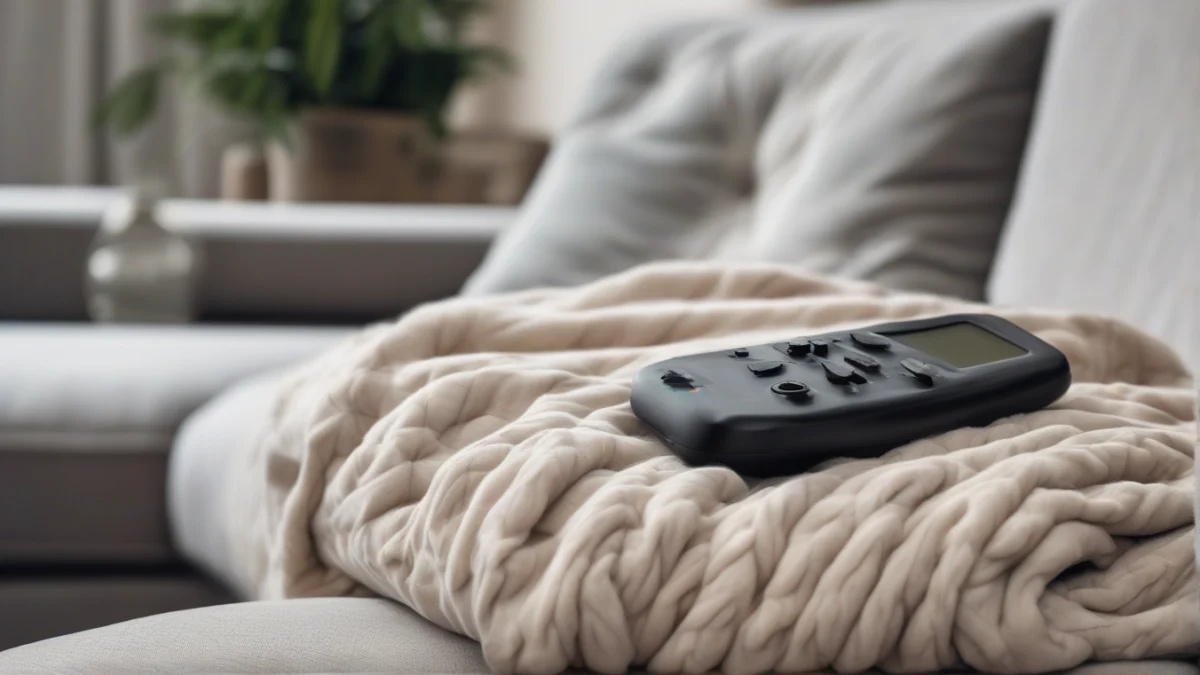
Many users assume the blanket is cold because it lacks heat, but the real problem lies deeper in electrical components. The controller, which regulates power and temperature, can fail or malfunction, cutting off heat. Wiring inside the blanket can develop micro-fractures from repeated folding or sitting, increasing electrical resistance and reducing heat output.
User errors also contribute significantly. Washing the blanket improperly or drying it at high heat damages internal wiring and the controller. Moisture from washing can corrode connectors, causing poor electrical contact and intermittent heating. Power surges or using the blanket on incompatible outlets can silently damage components.
Diagnosing these issues starts with checking the controller and power cord for visible damage or loose connections. A blinking light on the controller often signals a fault. Testing the blanket on different outlets can rule out power supply problems. If heat is uneven or absent, internal wiring fatigue or connector corrosion is likely.
| Cause | Effect on Blanket | How to Diagnose |
|---|---|---|
| Controller failure | No heat or erratic heat | Controller light off or blinking; no response to settings |
| Internal wire fatigue | Partial or no heat; cold spots | Inconsistent heating; blanket fails when bent or folded |
| Connector corrosion | Reduced or intermittent heat | Heat returns after drying or reconnecting; visible corrosion |
| User error (washing, folding) | Permanent damage to wiring or controller | Blanket fails after washing; visible damage or smell |
Understanding Controller and Wiring Issues
Controller failure causes nearly half of Snugama heated blanket heating problems. The controller manages power flow and temperature settings. When it fails, the blanket may not heat at all or heat inconsistently. Faulty temperature regulation can also cause the blanket to cut out prematurely or cycle power frequently.
Internal wire fatigue happens from repeated bending, folding, and sitting. Copper wires inside the blanket develop micro-fractures that increase resistance. This reduces current flow and heat output. Fatigued wires often cause cold patches or heat loss when the blanket is folded or pressure is applied.
Connector corrosion differs from wire damage but has a similar effect: increased electrical resistance. Moisture from improper washing is the main cause. Corroded connectors reduce power flow, causing the blanket to heat weakly or intermittently. Drying the connectors or cleaning corrosion can temporarily restore function but may require replacement parts.
- Check Controller IndicatorLook for blinking or no light on the controller. This signals failure or error mode.
- Test Heating ConsistencySpread the blanket flat and power it on. Note any cold spots or if heat cuts out.
- Inspect ConnectorsUnplug and examine connection points for corrosion or moisture damage.
- Check Wiring ConditionGently flex areas of the blanket. If heat fails or fluctuates, internal wires may be fatigued.
Connector corrosion and wire damage require different fixes. Corrosion can sometimes be cleaned or connectors replaced. Wire fatigue usually means the blanket needs repair by a professional or replacement. Ignoring these faults risks further damage or safety hazards.
Power surges can silently damage the controller or internal wiring without visible signs. Using surge protectors and avoiding power strips helps protect your heated blanket’s electronics.
Loose or faulty power cords and plugs also cause heat loss by preventing electricity from reaching the heating elements. Check for frayed cords or loose plugs and replace them promptly.
Thermostat Drift and Timer Design Flaws
Thermostat calibration drift means the blanket’s temperature sensor gradually loses accuracy. Over time, the thermostat may register a lower or higher temperature than actual, causing the blanket to cycle power incorrectly. This leads to inconsistent heating—either cutting off too soon or overheating before shutting down.
This drift is common in economy models like Snugama. It results in power cycling, where the blanket alternates between on and off repeatedly, reducing comfort and stressing internal components.
Many Snugama heated blankets have fixed 3-hour auto-off timers. These timers shut the blanket off regardless of room temperature or user needs. While intended for safety, the fixed timer can cause premature shut-off, leaving users cold if they expect longer heating periods.
Users often compensate by turning the blanket back on frequently, which accelerates wear on the controller and wiring. This cycle shortens the blanket’s lifespan and increases the chance of failure.
| Timer Setting | Impact on Blanket Use |
|---|---|
| 3-hour fixed timer | Blanket shuts off automatically, may interrupt heating before comfort is reached |
| Manual restart needed | Increases wear due to repeated power cycling |
| Optimal timer use | Set timer for 2 to 3 hours, then turn off and rest blanket before reuse |
To reduce thermostat drift effects and timer-related wear, avoid running the blanket continuously for long periods. Use the timer to limit heating to 2 to 3 hours, then allow the blanket to cool before restarting. This practice helps maintain consistent warmth and extends the blanket’s functional life.
Maintenance Tips to Extend Your Blanket’s Lifespan
- Follow Washing InstructionsAlways unplug the blanket and remove the controller before washing. Use gentle cycles with cold water and mild detergent. Avoid bleach, fabric softeners, and high heat in drying, which damage wiring and controller components.
- Avoid Folding or BunchingFold the blanket loosely without sharp creases to prevent micro-fractures in internal wires. Never bunch or crush the blanket during use or storage.
- Store Flat or RolledStore the blanket flat or rolled rather than folded to reduce wire fatigue. Keep it in a cool, dry place away from heavy objects that could compress the wiring.
- Inspect RegularlyCheck the blanket for exposed wires, frayed cords, or discoloration. Look for uneven heating or intermittent warm spots as signs of internal damage.
- Replace or Repair PromptlyIf you notice persistent cold areas, controller error lights, or visible damage, stop using the blanket. Repair wiring or replace the controller if possible; otherwise, replace the blanket to avoid safety risks.
Proper care can prevent most common Snugama blanket failures caused by user error. Preventing wire fatigue and moisture damage is key to extending lifespan. Regular inspection helps catch problems before they become dangerous or irreparable.
If you need specific repair guidance, see our step-by-step diagnostic and repair section or check related guides for similar heated blankets like how to fix heated blanket.
Safety Considerations for Snugama Heated Blankets
Snugama heated blankets include overheating protection sensors that automatically shut off power if internal temperatures rise too high. This safety feature prevents fire hazards but can cause intermittent heating if triggered repeatedly.
Stop using the blanket if heating becomes intermittent, inconsistent, or if you notice any unusual smells or scorch marks. These signs indicate internal damage or electrical faults that pose fire risk.
Always power your Snugama blanket from a compatible outlet rated for its electrical load, usually 120 volts and up to 15 amps. Avoid extension cords or power strips that may not handle the current, as voltage drops can cause controller malfunctions or overheating.
Diagnosing and Repairing Common Issues
- Check the Power SourceVerify the wall outlet supplies power by testing with another device. Ensure the blanket’s plug and cord are intact and securely connected.
- Inspect the ControllerLook for blinking lights or error codes on the controller. Reset it by unplugging for a few minutes, then plug back in. Persistent faults usually mean controller failure.
- Test Heating ZonesIf your Snugama model has dual zones, check each side separately. Uneven heating often signals internal wire fatigue or connector corrosion.
- Look for Physical DamageExamine the blanket for worn fabric, exposed wires, or connector corrosion, especially near the controller and cord entry points.
- Consider Professional Repair or ReplacementIf wiring faults, controller failure, or thermostat drift occur, parts may be available but repairs can cost 40 to 70 percent of a new blanket’s price. Repair shops or Snugama customer service can confirm part availability.
Replacement is recommended if the blanket has extensive wire fatigue, repeated overheating shutdowns, or if repair costs approach the price of a new model. Snugama blankets with fixed auto-off timers often wear out faster with aggressive use, making replacement more cost-effective.
Frequently Asked Questions
What causes Snugama heated blankets to lose heat if not warmth?
How can users distinguish between controller failure and wire fatigue?
Is it safe to continue using a blanket with intermittent heating?
Can Snugama heated blankets be repaired, or should they be replaced?
What maintenance extends the lifespan of heated blankets?
Are there known defects in Snugama models affecting performance?
Before you buy anything, it is worth looking at ensuring blanket safety.
We go through maintaining your heated blanket step by step in a separate article.
