
When the power goes out in winter, your home starts losing heat immediately. Acting quickly can make a significant difference in maintaining warmth and safety.
5 Quick Ways to Reduce Heat Loss in an Emergency
To reduce heat loss quickly in an emergency, seal doors and windows tightly, use curtains or blankets to insulate windows, and create a warm room that concentrates body heat and any available heating source. Use improvised insulation materials to block drafts and cover cold surfaces.
Curtains reduce heat loss by adding a barrier between the warm indoor air and cold window glass. Thick, tightly woven curtains or thermal curtains trap air and slow heat transfer. Closing curtains fully at night or during cold spells cuts radiant and convective heat loss through windows.
Walls lose heat mainly through conduction. You can reduce this by covering walls with blankets, rugs, or cardboard to add an extra insulating layer. Blocking drafts around wall outlets, vents, and cracks also helps keep warm air inside.
Windows lose heat through conduction, convection, and radiation. Besides curtains, you can seal gaps with tape or plastic sheeting to reduce drafts and stop cold air infiltration. Applying bubble wrap or clear plastic film with double-sided tape directly to window panes creates an insulating air layer.
- Seal Doors and WindowsUse weatherstripping, towels, or rolled-up blankets at door bottoms and window sills to block drafts. Cover gaps around window frames with tape or plastic sheeting to stop cold air leaks.
- Use Curtains or Blankets on WindowsClose curtains tightly at night. Hang blankets or quilts over windows if you lack curtains. Secure plastic film or bubble wrap on window glass for extra insulation.
- Create a Warm RoomChoose a small room with few windows and doors. Close all doors and block gaps with towels or blankets. Stay in this room to concentrate body heat and any portable heater’s warmth.
- Add Improvised InsulationCover cold walls with blankets, rugs, or cardboard panels to add insulation. Use furniture like bookshelves against walls to reduce heat loss.
- Block Drafts Around Vents and OutletsSeal gaps around electrical outlets, vents, and baseboards with tape or foam if available. These small leaks can let in significant cold air.
Immediate Actions: Seal Doors and Windows
Heat escapes quickly through gaps around doors and windows. Common sources of drafts include cracks where the door meets the frame, gaps under the door, worn weatherstripping, and poorly sealed window edges. Reducing heat loss through windows is key to keeping a sitting room warm.
- Locate DraftsRun your hand along window and door edges to feel for cold air. Use a lit candle or incense stick near edges; if the flame flickers or smoke shifts, you have a draft.
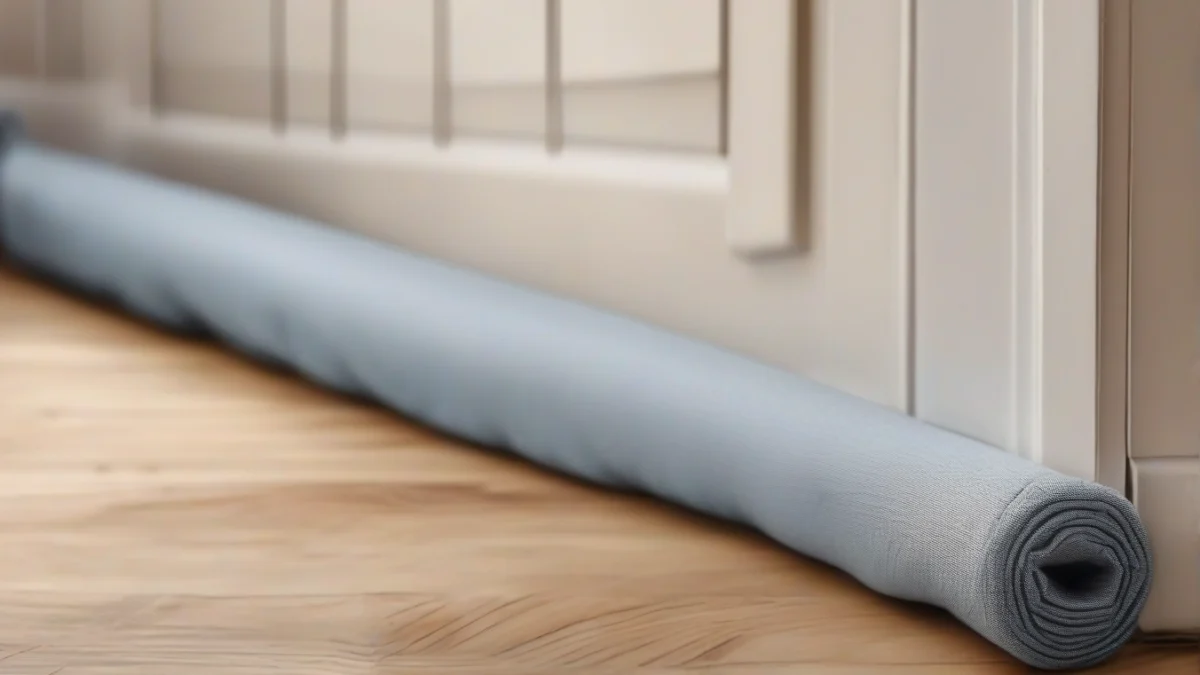
- Seal Gaps Under DoorsPlace a rolled towel or draft stopper at the base of doors to block cold air from entering.
- Apply WeatherstrippingUse adhesive foam or rubber weatherstripping around door and window frames. Press firmly for a tight seal.
- Use Plastic Film on WindowsApply clear plastic shrink film kits to the inside of windows. These kits create an insulating air barrier that reduces heat loss effectively.
- Cover Windows with Heavy Curtains or BlanketsHang thick curtains or secure blankets over windows at night to add insulation. Close curtains fully to trap warm air inside.
Creating Your Warm Room
Choose a small, interior room with few windows for your warm room. Rooms with flat walls retain heat better than those with many windows or doors. Avoid rooms with exterior walls if possible, as heat loss through walls is higher there.
Use materials like blankets, towels, and foam cushions to insulate walls and doorways inside the warm room. Hang blankets or quilts over walls and windows to add a layer of insulation and reduce heat loss through walls.
- Block Off Unused DoorwaysSeal doorways with blankets or towels to prevent heat escaping into other rooms.
- Insulate Windows and WallsCover windows with plastic film or heavy curtains. Hang blankets on walls to trap heat inside the room.
- Use Rugs or CarpetsCover bare floors with rugs or carpets to reduce heat loss through the floor surface.
- Close Vents and Doors to Other RoomsPrevent cold air from entering by closing vents and doors leading out of the warm room.
Improvised Insulation Materials and Techniques
To reduce conduction heat loss through single-pane glass, use thick blankets, towels or bubble wrap taped directly to the window frame. These create an air gap that slows heat transfer.
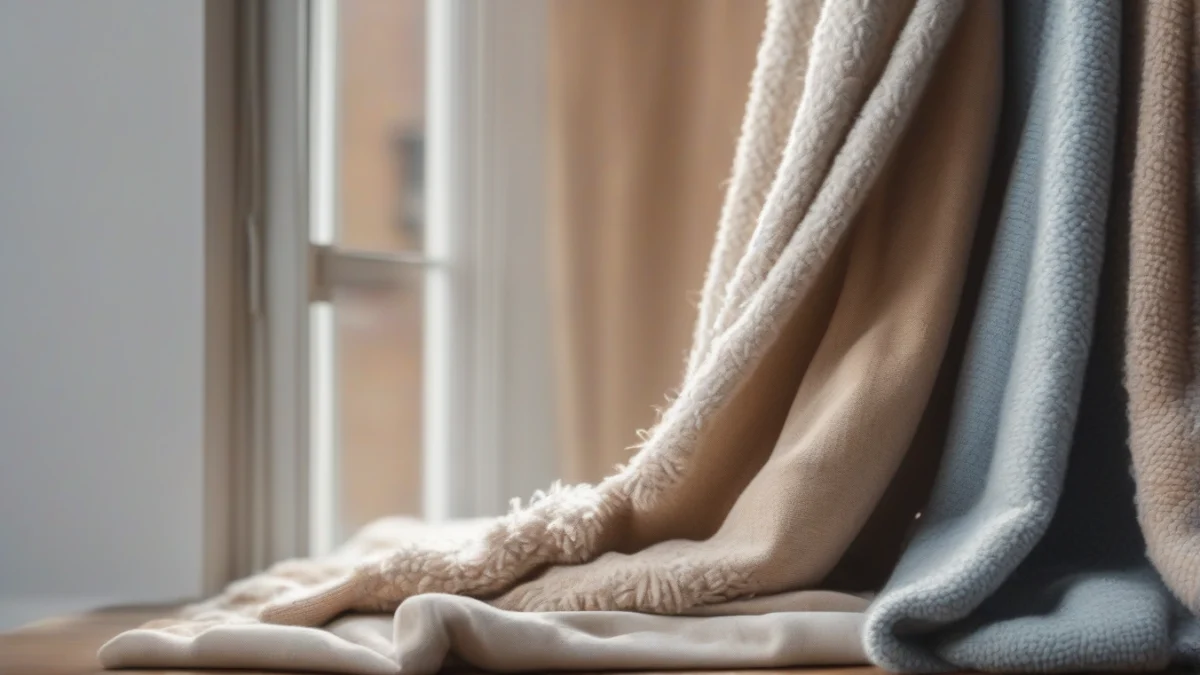
Household items like towels, blankets, curtains, bubble wrap, cardboard, and newspaper can all serve as emergency insulation. Layer them over windows and around doors to trap warm air.
To reduce heat loss from ventilation gaps, stuff rolled-up fabric, old clothes, or towels into cracks around vents and door frames. Cover large gaps with cardboard sealed with tape or plastic sheeting.
| Material | Use | Effectiveness |
|---|---|---|
| Blankets and Towels | Cover windows and doors, stuff into gaps | Good thermal barrier, easy to apply |
| Bubble Wrap | Tape over windows to trap air | Reduces conduction through glass |
| Cardboard | Cover large gaps or windows | Blocks drafts, moderate insulation |
| Newspaper | Stuff into cracks or layer on windows | Adds layers to slow heat loss |
| Plastic Sheeting | Seal over windows or vents | Creates airtight barrier |
Safety Precautions and When to Seek Help
In top-level flats, heat escapes through ceilings and roof vents. Use heavy curtains or blankets over windows and seal attic hatches with foam tape or plastic sheeting to reduce loss.
Rental tenants can use draft stoppers under doors, removable weather stripping, and temporary window insulation kits that don’t damage surfaces. Landlords must approve permanent changes.
Seek professional help if you notice persistent condensation, mold growth, or if heating systems fail repeatedly. Licensed technicians can inspect insulation, heating, and ventilation systems for safety and efficiency.
Avoid space heaters that trip breakers or have damaged cords. Unplug heaters when unattended unless the model is certified for continuous use. Keep heaters three feet from flammable materials.
For more on sealing ventilation gaps safely, see How to Reduce Heat Loss from Ventilation Gaps.
Frequently Asked Questions
How do curtains reduce heat loss?
What can I do to reduce heat loss through my floors?
How can I insulate windows without power?
What materials are best for emergency insulation?
How do I maintain warmth in a room with many windows?
What should I do if indoor temperatures drop near freezing?
The other half of this decision is safe insulation methods.
There is more on cold drafts at night in a guide of its own.