
Insulation plays a crucial role in maintaining your home’s temperature and energy efficiency. Over time, it can become damaged due to various factors, including moisture, compression, or pests.
How to Patch Home Insulation
To patch home insulation, first identify the damaged area, gather the right materials, and then follow specific steps to repair it. For dry-rotted holes, remove the damaged insulation and replace it with new material, sealing edges with aluminum foil duct tape to block air leaks.
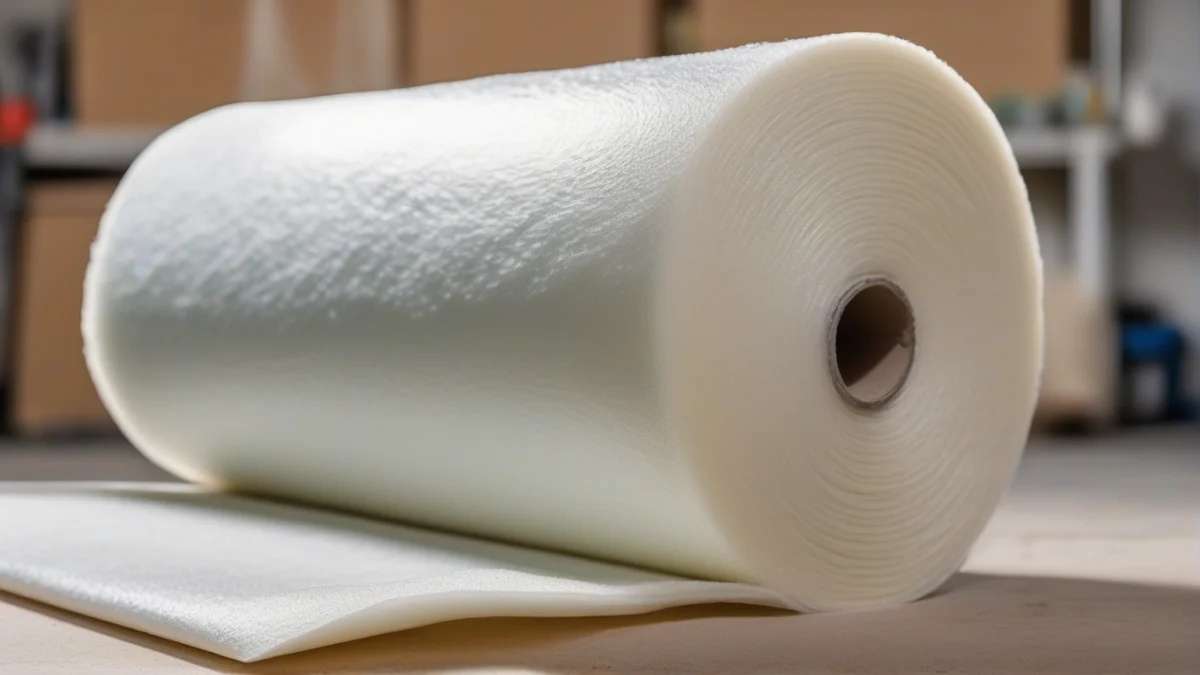
Start by inspecting your insulation for tears, holes, or compression. Damage can come from moisture, pests, or physical wear. Once you locate a hole in wall insulation, cut away the damaged section cleanly. Use insulation material that matches the existing type, whether fiberglass batts or foam board.
- Identify the DamageLook for signs like crumbling, dampness, or gaps in insulation. Use a flashlight to check dark areas such as crawl spaces and attic corners.
- Remove Damaged InsulationCut out all dry-rotted or wet insulation and clear debris. Wear gloves and a mask to avoid irritation from fibers or mold.
- Cut Replacement InsulationMeasure the hole and cut new insulation slightly larger to fit snugly. For walls, use rigid foam board or fiberglass batts.
- Secure the PatchInsert the new insulation and seal edges with aluminum foil duct tape to prevent air leaks and moisture intrusion.
- Check for Complete CoverageMake sure no gaps remain and the patch is flush with surrounding insulation to maintain thermal performance.

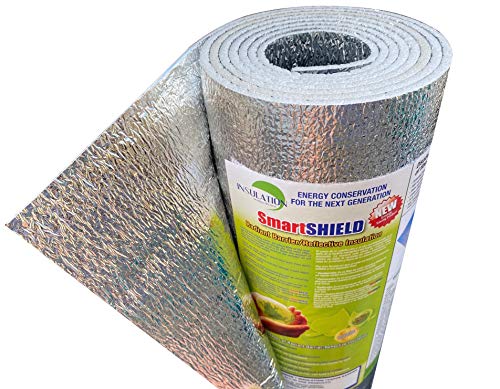
Identifying Types of Insulation Damage
Insulation damage shows up in several ways. Recognizing the type of damage helps you choose the right repair method.
Compression is a common issue in batt insulation. When insulation is squished, it loses thickness and R-value. Look for flattened areas where the insulation no longer fills the cavity. This reduces its ability to trap air and keep heat in.
Moisture damage is a serious problem. Wet insulation clumps, compresses, and can grow mold. Fiberglass and cellulose absorb water, losing their insulating power. Check for discoloration, dampness, or a musty smell. Moisture can come from leaks, condensation, or spills.
Pests cause physical damage by chewing or nesting. Rodents and insects create gaps or holes that reduce insulation effectiveness. Look for droppings, shredded material, or visible tunnels.
Faced insulation, with a vapor barrier on one side, can develop gaps if the facing pulls away. These gaps let air and moisture through, defeating the purpose of the facing. Repair gaps by sealing or replacing the vapor barrier to maintain a continuous barrier.
Different types of damage require different fixes. Compression often needs replacing or adding new insulation. Moisture damage usually means removing wet insulation and drying the area. Pest damage calls for cleaning and sealing entry points before patching.
Tools and Materials Needed for Patching
Safety gear is essential before starting any insulation repair. Wear gloves to protect skin from irritation, a dust mask to avoid inhaling fibers, and safety goggles to shield eyes.
A top insulation patch covers damaged sections on the surface. Use matching insulation batts or rolls cut to size for fiberglass and mineral wool. For cellulose, loose fill can be added to fill gaps.
An inner patch repairs insulation inside wall cavities or between joists. Rigid foam board or cut batts work well here. Seal edges with foil tape or caulk to prevent air leaks.
| Tool or Material | Purpose |
|---|---|
| Utility knife | Cut batts or foam board to size |
| Measuring tape | Measure damaged area for accurate patch size |
| Staple gun and staples | Attach faced insulation or vapor barriers |
| Foil tape or caulk | Seal seams and edges to prevent air leaks |
| Protective gloves, dust mask, goggles | Personal safety during handling |
| Loose fill blower or scoop | Add cellulose or loose fill insulation |
| Plastic sheeting | Temporary moisture barrier during repair |
Prepare all tools and materials before starting. A neat, well-fitted patch restores insulation performance and prevents future damage.
Step-by-Step Guide to Patching Different Insulation Types
Damaged insulation reduces energy efficiency and comfort. Fixing it depends on the type of insulation you have: fiberglass batts, spray foam, or loose-fill. Each requires a different patching method to restore performance.

Repairing Torn Fiberglass Batts
- Remove Damaged SectionCut out any torn or compressed fiberglass batt with a utility knife. Wear gloves, a mask, and goggles to avoid irritation from fibers.
- Cut Replacement PieceMeasure the removed section and cut a new batt piece to fit snugly. Use the same thickness and type for consistent insulation value.
- Fit and SecurePush the replacement piece into the cavity, ensuring it fills the space without gaps or compression. Staple or fix it in place if the original batt was secured.
Sealing Gaps with Spray Foam
Spray foam insulation patches small holes or gaps and seals air leaks. It expands to fill cavities and hardens to block drafts and moisture.
- Clean AreaRemove dust, dirt, and loose material from the gap or hole. A clean surface ensures proper foam adhesion.
- Apply Spray FoamShake the can well. Insert the nozzle into the gap and spray a small amount of foam. It will expand; do not overfill.
- Let Foam CureWait at least 8 hours for the foam to fully cure and harden before trimming excess.
- Trim Excess FoamCut away any foam that extends beyond the cavity with a sharp knife to keep the surface even.
Spray foam patches holes by expanding into gaps and hardening. This seals air leaks and restores insulation continuity.
Patching Loose-Fill Insulation
- Expose Damaged AreaRemove any damaged or wet loose-fill insulation carefully, using a vacuum or scoop.
- Add New Loose-FillUse a loose-fill insulation blower or carefully pour new insulation into the cavity, filling to the proper depth.
- Level the SurfaceSmooth the surface with a flat tool to ensure even coverage and consistent insulation thickness.
Safety Tips and Common Mistakes to Avoid
Always wear protective gear: gloves, goggles, and a dust mask. Fiberglass and mineral wool fibers irritate skin and lungs. Avoid inhaling dust and fibers by keeping the area ventilated and using a respirator if needed.
For tears in insulation against basement walls, cut a patch of the same insulation type slightly larger than the tear. Secure it with insulation adhesive or mechanical fasteners. Avoid compressing the insulation; keep it fluffy to maintain R-value.
To patch sprayed attic insulation that is not foam, such as cellulose or loose-fill fiberglass, add more loose-fill using a blowing machine or by hand, filling gaps or low spots evenly. Do not compact loose-fill; it loses insulating power when compressed.
Do not cover insulation with plastic or vapor barriers unless recommended for your climate and insulation type. Incorrect vapor barriers trap moisture and cause damage.
Never patch spray foam insulation by simply adding new foam over damaged areas without cleaning and preparing the surface. This can cause poor adhesion and reduce effectiveness.
Check for moisture or mold before patching. Repair leaks and dry the area completely to prevent insulation deterioration and health risks.
When to Call a Professional vs. DIY
DIY repairs work well for small tears, gaps, and loose-fill top-ups. If you can access the damaged area safely and have the right materials, you can patch fiberglass, mineral wool, cellulose, and loose-fill insulation yourself.
To patch holes in outdoor spray insulation, professionals clean and prepare the surface, then apply matching spray foam in layers. This ensures a tight seal and proper adhesion, which is difficult to achieve with DIY kits.
Call a professional if damage is extensive, such as large areas of wet or moldy insulation, or if there is structural damage. Professionals have tools and experience to remove and replace insulation safely.
If insulation damage involves electrical wiring, gas lines, or plumbing, hire licensed electricians or plumbers. Incorrect repairs pose serious safety risks.
- Assess the damageDetermine if the area is small and accessible or large and complicated.
- Check for hazardsLook for moisture, mold, wiring, or pipes that need professional attention.
- Decide on repair methodChoose DIY for minor patching with matching materials; opt for a pro for major or risky repairs.
Professional repairs also make sense if your insulation is under warranty or part of a home energy upgrade. They ensure code compliance and proper installation.
DIY saves money but requires careful work to avoid reducing insulation effectiveness or causing moisture problems. Use manufacturer instructions and safety gear.
For advice on choosing insulation thickness or upgrading insulation, see related guides like How to Choose Insulation Thickness for UK Homes.
