
Drafts in your home can lead to significant heat loss, making your space uncomfortable and increasing energy bills. Fortunately, you can insulate a room using materials you likely have at home, without needing a contractor or expensive tools.
How to Insulate a Room Using Basic Tools You Own
Insulate a room by sealing drafts and adding barriers to heat flow using common tools like scissors, tape, and a utility knife. Focus on blocking heat loss through conduction—direct heat transfer through materials—and convection, the movement of warm air out and cold air in.
Heat escapes through walls, windows, doors, floors, and ceilings. You can reduce this loss by applying insulating materials to these surfaces and sealing gaps where air leaks occur. Basic materials you’ll need include weatherstripping tape, caulk, plastic shrink film, foam sealant, and draft stoppers.
Start by inspecting your room for obvious leaks around windows and doors. Use a flashlight and your hand to feel for cold air on windy days. Then follow these steps to insulate each area effectively.
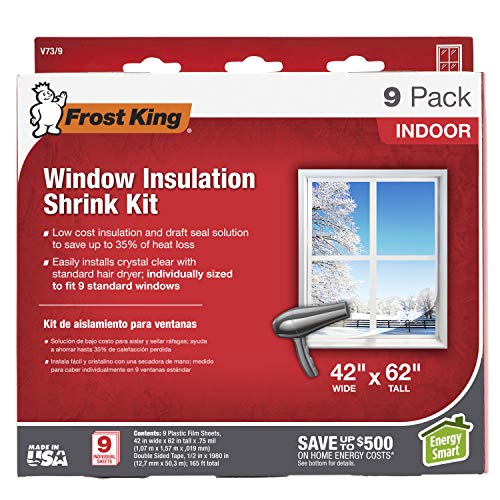
- Seal Window DraftsClean window frames thoroughly. Cut plastic shrink film to cover the window glass and tape it to the frame using double-sided tape. Use a hair dryer to shrink the film tight, creating an airtight barrier that reduces convective heat loss. Replace the film every year for best results.
- Add Weatherstripping to DoorsApply adhesive foam or rubber weatherstripping around door edges where gaps appear. Press firmly to ensure a tight seal. This stops cold air from entering and warm air from escaping through convection.
- Caulk Gaps in Walls and TrimUse a caulk gun to fill cracks where walls meet baseboards, window frames, and door frames. Focus on gaps larger than 1/8 inch. Caulk blocks conduction and convection by sealing air leaks.
- Insulate Floors and CeilingsIf accessible, add foam board insulation or reflective foil under floorboards or in attic ceilings. This slows heat conduction through these surfaces. Cover exposed insulation with drywall or paneling for safety and appearance.
- Use Draft StoppersPlace draft stoppers or rolled towels at the base of doors and window sills to block cold air flowing in underneath. This simple step reduces convective heat loss effectively.
| Material | Purpose |
|---|---|
| Plastic shrink film | Blocks convective heat loss through windows |
| Weatherstripping tape | Seals door and window gaps |
| Caulk | Fills cracks in walls and trim |
| Foam board | Adds conduction resistance under floors or ceilings |
| Draft stoppers | Blocks airflow under doors and windows |
Identifying Heat Loss Areas in Your Room
Start by locating where your room loses heat. The first sign is often a draft—cold air sneaking in through gaps or cracks. You can find drafts by holding a lit candle or incense stick near windows, doors, electrical outlets, baseboards, and other suspected areas. Watch for flickering flames or moving smoke.

Heat escapes through thermal bridging, where materials like metal or wood studs conduct heat out of the room. These bridges bypass insulation, creating cold spots on walls or ceilings. You can spot thermal bridges as cooler patches or condensation forming on surfaces during cold weather.
- Check Around Windows and DoorsInspect all window and door frames for gaps, cracks, or worn weatherstripping. Feel for air movement and look for light shining through.
- Examine Electrical Outlets and SwitchesRemove the cover plates and carefully feel for cold air or drafts inside the wall cavity.
- Inspect Baseboards and TrimRun your hand along baseboards and trim for cool spots or air leaks.
- Look at Attic Hatches and VentsThese often have gaps or missing seals that let warm air escape.
- Check Plumbing and Wiring PenetrationsAny openings where pipes or wires enter walls or floors can be heat loss points.
Common heat loss areas include windows, doors, attic hatches, electrical outlets, baseboards, and places where walls meet the floor or ceiling. Even small gaps add up to significant heat loss over time. Pay close attention to these spots.
Thermal bridging reduces the effectiveness of insulation by creating a direct path for heat to flow out. Wood studs conduct heat about 15 times more than insulated cavities. Metal framing is even more conductive. Identifying and addressing these bridges is key to better insulation performance.
Sealing visible drafts is the quickest way to improve insulation. Look for gaps wider than 1/8 inch to fill with caulk or foam sealant. Smaller cracks can be sealed with weatherstripping or tape designed for air sealing.
If you want to find insulation gaps more thoroughly, you can use simple tools like thermal leak detectors or infrared thermometers. These tools spot cold spots behind walls and ceilings without damage. Learn more about how to find insulation gaps with simple DIY tools in that guide.
Materials for DIY Insulation Solutions
Affordable insulation materials can make a big difference in retaining heat without costly upgrades. Start with common supplies you may already have or can buy cheaply at hardware stores.
| Material | Purpose | How to Use | Alternatives |
|---|---|---|---|
| Weatherstripping tape | Seal gaps around doors and windows to block drafts | Apply along door jambs and window sashes, press firmly for a tight seal | Foam tape or adhesive-backed rubber strips |
| Caulk | Fill small cracks and gaps in walls, window frames, and baseboards | Use a caulking gun to apply a smooth bead, then smooth with a damp finger | Acrylic latex caulk for indoor use |
| Foam sealant | Expand to fill larger gaps and holes, especially around plumbing or wiring | Spray into gaps, allow to expand and cure, then trim excess | Fiberglass insulation for bigger cavities |
| Plastic film or shrink wrap | Create a temporary insulating barrier over windows | Cut to size and attach with double-sided tape, then use a hair dryer to shrink tight | Bubble wrap as a cheaper, reusable alternative |
| Reflective foil insulation | Reflect radiant heat back into the room, useful behind radiators or on walls | Cut to fit and attach with staples or tape, facing the reflective side inward | Aluminum foil combined with cardboard for a DIY reflective layer |
| Rope caulk | Temporary seal for window panes or drafty spots | Press and mold into cracks, remove easily when needed | Weatherstripping putty or duct tape |
| Thick curtains or blankets | Block drafts and reduce heat loss through windows | Hang over windows or doors, close at night to keep warmth | Thermal curtains or quilts |
| Rugs and door sweeps | Reduce heat loss through floors and under doors | Place rugs on bare floors, install door sweeps at door bottoms | Carpet remnants or draft blockers |
| Old towels or fabric strips | Fill drafty cracks temporarily | Roll and stuff into gaps under doors or window sills | Draft stoppers filled with sand or rice |
Basic tools for installing these materials include scissors, utility knives, a caulking gun, and a measuring tape. Use scissors or a utility knife to cut tapes and films to size. A caulking gun ensures even application of caulk. Measuring tape helps get precise lengths to avoid waste.
Weatherstripping tape and caulk are your first line of defense against drafts. Tape is best for movable parts like doors. Caulk works well for stationary cracks in walls and trim. Both should be applied to clean, dry surfaces for best adhesion.
Foam sealant fills larger voids that tape or caulk cannot. It expands as it cures, so apply sparingly to avoid mess. Trim any excess once dry. This material is ideal around plumbing penetrations or gaps in framing.
Plastic film insulation is a low-cost way to add an insulating layer over single-pane windows. Attach it on the inside with double-sided tape. Use a hair dryer to shrink the film tight, which reduces air movement and heat loss.
Reflective foil insulation works by reflecting radiant heat back into the room. Place it behind radiators or on walls that receive cold drafts. It’s lightweight and easy to cut, making it a practical addition to other insulation methods.
Rope caulk and fabric strips offer temporary sealing options. Rope caulk presses into cracks and can be removed or repositioned easily. Old towels or fabric strips stuffed into gaps can reduce drafts until you install more permanent solutions.
Don’t overlook simple items like thick curtains, rugs, and door sweeps. Thick curtains trap warm air near windows and block drafts. Rugs add insulation to cold floors. Door sweeps seal the gap under doors, preventing cold air from entering.
Using these materials together creates a layered defense against heat loss. Start with sealing gaps, then add barriers like plastic film or reflective foil. Finish with soft materials like curtains and rugs to improve comfort and reduce drafts.
These DIY supplies avoid the need for specialized insulation products and tools. They work well for renters or anyone wanting quick, affordable improvements. For more tips on identifying where to apply these materials, see how to find insulation gaps with simple diy tools.
Steps for Insulating Windows and Doors
Start insulating windows by sealing drafts with weatherstripping or caulk. Check the frame edges and sashes for gaps where cold air enters. Use adhesive-backed foam tape or V-strip weatherstripping to cover these openings. Next, apply a clear plastic window film over the interior glass; shrink it tight with a hair dryer to create an insulating air barrier.

- Prepare the Window SurfaceClean window frames and sills thoroughly to remove dust and grease for better adhesion of weatherstripping and film.
- Apply WeatherstrippingCut foam tape or V-strip to length and press it firmly along the sash and frame where gaps appear.
- Install Window FilmAttach the film to the frame with double-sided tape, then shrink it tight with a hair dryer to eliminate wrinkles and air pockets.
- Check for DraftsAfter sealing, feel around the window edges for any remaining cold spots and add more tape or caulk if needed.
To insulate doors, start by sealing around the frame with weatherstripping foam or rubber gaskets. Check the threshold and replace or add a door sweep to block cold air from entering underneath. For doors with glass panels, treat the glass with window film as you do windows. Pay special attention to the door jamb and hinges for small gaps.
- Inspect Door Edges and ThresholdLook for gaps or cracks between the door and frame, and under the door.
- Apply WeatherstrippingAttach foam or rubber weatherstripping along the door jamb and sides to seal gaps.
- Install or Replace Door SweepFit a door sweep on the bottom edge to block drafts from below.
- Add Window Film on Glass PanelsIf the door has glass, apply window film on the interior side to reduce heat loss.
Thermal curtains add a second layer of insulation for windows and doors. Choose heavy, tightly woven curtains with a thermal lining for best results. Close them fully at night to trap warm air inside. During the day, open curtains on sun-facing windows to let sunlight warm the room naturally.
Safety Precautions During Insulation
Insulating a room safely starts with understanding the risks and taking basic precautions. Electrical safety is critical when working near outlets and switches. Turn off power at the breaker before sealing gaps around outlets or installing insulation nearby to avoid shocks or fire hazards.
Poor ventilation is a common problem when sealing a room tightly. Blocking all air leaks without providing fresh air can trap moisture and pollutants indoors. This can lead to mold growth and unhealthy air quality.
Fuel-burning appliances such as gas heaters or fireplaces can produce carbon monoxide (CO), a colorless, odorless gas that is deadly in high concentrations. Insulating a room can reduce airflow, raising the risk of CO buildup if these appliances are running.
Follow these steps to insulate safely:
- Turn Off PowerSwitch off electrical circuits before working near outlets or switches.
- Use Proper MaterialsSeal gaps around outlets with foam gaskets or outlet sealers, not spray foam or insulation that can cause fire hazards.
- Maintain ClearanceKeep insulation at least 3 inches away from recessed lighting and electrical boxes.
- Ensure VentilationProvide fresh air by opening windows or using mechanical ventilation when sealing drafts.
- Check AppliancesHave fuel-burning heaters inspected and vented properly before insulating rooms where they operate.
- Install CO AlarmsPlace carbon monoxide detectors according to manufacturer instructions in rooms with fuel-burning appliances.
Maintaining Comfort and Air Quality After Insulation
After sealing drafts and adding insulation, the room will hold heat better but also trap stale air. Good air quality means balancing a tight seal with proper ventilation. Without fresh air, moisture and pollutants build up, causing discomfort and potential health risks.
To ventilate a sealed room, open windows briefly several times a day or install a mechanical ventilation system. A simple exhaust fan or a heat recovery ventilator (HRV) exchanges indoor air with outdoor air while keeping most heat inside.
Maintaining comfort in insulated rooms means controlling humidity and airflow. Use a dehumidifier if the room feels damp, especially in colder months when windows stay closed. Circulate air with a ceiling or portable fan to avoid stuffiness.
Ways to Improve Indoor Air Quality
- Keep windows or vents open briefly each day for fresh air exchange.
- Use air purifiers with HEPA filters to reduce dust and allergens.
- Avoid smoking or burning candles inside to limit pollutants.
- Control humidity between 30% and 50% using dehumidifiers or humidifiers as needed.
- Clean or replace HVAC filters regularly if the room shares a system.
If the insulated room has combustion appliances like gas heaters, ensure proper ventilation to prevent carbon monoxide buildup. Never block vents or exhausts.
Balancing Sealing and Ventilation
Tight seals keep heat in but also trap moisture and indoor pollutants. Ventilation removes these without wasting heat if done right. Mechanical systems like HRVs recover up to 70% of heat from outgoing air.
For rooms without mechanical ventilation, opening a window for 5 to 10 minutes several times daily is enough to refresh air. Avoid leaving windows open all day in winter, which defeats insulation efforts.
Monitor signs of poor air quality: condensation on windows, musty smells, or headaches. These indicate ventilation needs improvement.
Steps to Maintain Comfort and Air Quality After Insulation
- Check for Adequate VentilationEnsure the room has at least one operable window or vent that you can open daily.
- Use Fans to Circulate AirRun ceiling or portable fans to prevent stagnant air pockets.
- Control HumidityUse a dehumidifier if moisture builds up; keep humidity between 30% and 50%.
- Avoid Indoor PollutantsLimit activities that produce smoke, strong odors, or chemicals inside the room.
- Consider Mechanical VentilationInstall an exhaust fan or HRV if the room is very airtight or used frequently.
Frequently Asked Questions
What are the best materials for insulating a room?
How can I find drafts in my home?
Is it possible to insulate a room without damaging the walls?
What steps should I take to insulate windows effectively?
How can I improve air quality in a sealed room?
What safety measures should I consider when insulating?
It helps to understand simple thermal upgrades for your home, no renovation needed before spending anything.
Readers in this position usually ask about curtain alternatives for warmth as well.