
Awkwardly shaped windows can add charm to your home, but they often lead to significant energy loss. Drafts and condensation from these windows can cause discomfort and higher energy bills.
How to Insulate Awkwardly Shaped Windows in Your Home
Start by identifying the exact shape and type of your window. Triangle-shaped windows and other irregular forms need flexible materials like weather stripping and window film to form a tight seal that blocks drafts.
Choose insulation materials that can bend or be cut to size. Clear plastic window film kits and foam weather stripping work well on odd shapes and single-glazed windows to reduce heat loss without permanent changes.
- Measure Your WindowUse a tape measure to record the full dimensions, including all angles and curves. For triangles, measure each side and the height from base to apex.
- Select Flexible Weather StrippingPick weather stripping that compresses to fill gaps. Foam or rubber strips are good for frames with uneven edges.
- Apply Window Film InsulationCut the film slightly larger than the window opening. Use double-sided tape to fix it to the frame, then shrink it tight with a hair dryer to remove wrinkles.
- Seal Edges and CornersUse caulk or additional weather stripping around corners and joints to block air leaks. Check for gaps after installation.
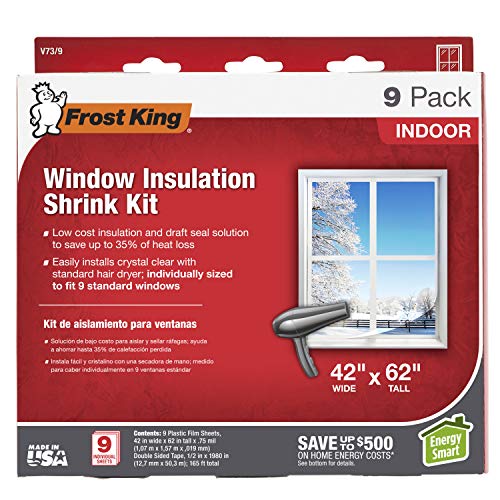
Triangle windows are often found near roofs or as decorative elements. They lose heat quickly because their angles create gaps that standard insulation misses. Flexible film and weather stripping conform to these shapes, sealing the edges and reducing drafts.
For single-glazed windows, insulation focuses on creating an additional barrier. Window film adds a clear layer that traps air, improving thermal resistance without replacing the glass. Weather stripping ensures the frame is airtight.
Creative solutions include custom-cut foam inserts for triangular or circular windows, and using magnetic strips to hold insulation in place on metal frames. These methods let you remove insulation easily when needed.
Check your work by feeling for cold air around edges on a windy day. Reapply or add more sealing where drafts persist. Proper sealing can lower heating costs and improve comfort significantly.
| Appliance | Watts | Per hour | Per day (8 h) | Per month (30 days) |
|---|---|---|---|---|
| 1,500 W space heater | 1,500 W | 26¢ | $2.04 | $61.20 |
Common Challenges with Awkward Window Shapes
Bay and bow windows extend outward from the main walls, creating multiple angles that invite drafts. The joints between each window pane and the framing can develop gaps as materials expand and contract with temperature changes. Insulating these windows requires flexible weather stripping that conforms to irregular corners and sealing the seams with high-quality caulk.
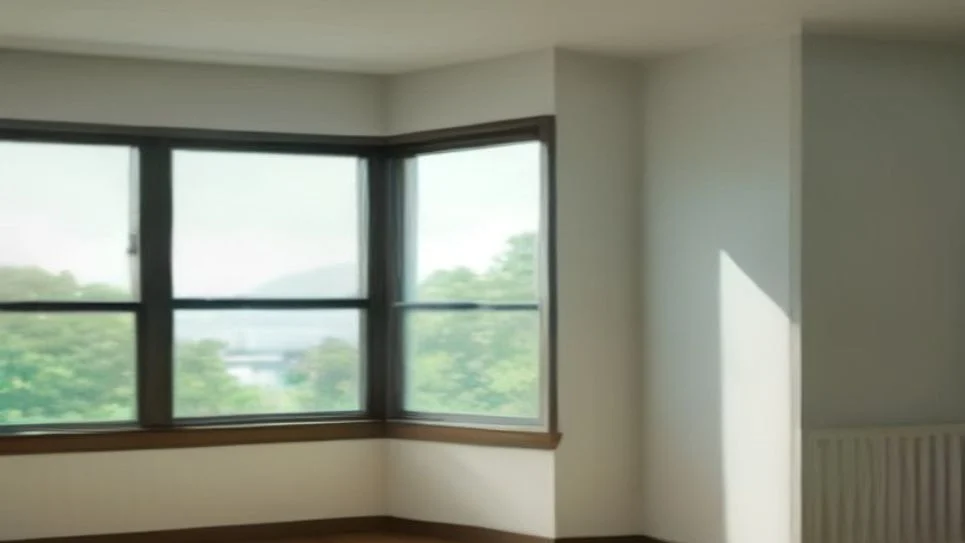
Dormer windows, often set into roof slopes, face unique challenges. Their placement means they are exposed to wind on multiple sides and can suffer from condensation buildup due to temperature differences between the attic and outdoors. Arched windows have curved frames that do not fit standard insulation materials, making it necessary to use custom-cut foam or flexible films that can bend without tearing.
Corner windows meet at an outside angle, increasing exposure to cold air infiltration. The intersection of two walls and window panes often lacks continuous framing, making it harder to seal thoroughly. Attic windows are usually smaller and harder to access, but they still need insulation, especially because heat rises and escapes through the roof. Installing insulated window inserts or thermal curtains helps reduce heat loss here.
Insulating under stairs in a home can be tricky if there are windows or open spaces involved. First, identify if the area under the stairs is enclosed or open to the outside. For enclosed spaces, use rigid foam board insulation around the framing and seal gaps with spray foam. If windows are present, add window insulation film or cellular shades designed to fit the shape. Keep in mind that ventilation is important to prevent moisture buildup.
Large windows pose their own set of problems. Their size means more surface area for heat to escape in winter and enter in summer. To insulate large windows, apply multiple layers of clear window film to create an air pocket that slows heat transfer. Use thermal curtains or insulated blinds to add a barrier at night or during extreme temperatures. Weather stripping around the frame remains essential to stop drafts.
Each awkward window shape demands a tailored approach to insulation materials and methods. Flexible weather stripping and window film are versatile options that adapt to curves and angles better than rigid foam. For large or multiple-pane setups like bay and bow windows, combine sealing techniques to cover all potential leaks.
For more detailed instructions on insulating oddly shaped windows, see How to Insulate Oddly Shaped Windows at Home. For large window insulation strategies, How to Insulate Large Windows Without Replacing Them offers practical solutions.
Step-by-Step Guide to Insulating Specific Window Types
Insulating awkwardly shaped windows requires tailored approaches. Start with the window type to pick the right materials and methods.
- Insulate Bay Windows with Weather Stripping and FilmMeasure each window pane and frame section carefully. Apply flexible foam or rubber weather stripping along all edges where the sash meets the frame to block drafts. Next, use a clear window insulation film kit designed for irregular shapes. Cut the film slightly larger than the glass area, then secure it with double-sided tape. Use a hair dryer to shrink the film tight, ensuring a snug seal that reduces heat loss.
- Use Custom Solutions for Arched WindowsArched windows need flexible materials to match their curves. Start by cutting high-quality, stretchable weather stripping to fit the arch. For insulation film, cut it into strips and overlap them to follow the arch’s contour. Attach with a strong, clear tape designed for window use. For a more finished look, consider custom-cut Plexiglas or acrylic panels installed inside the window frame to add an insulating air gap.
- Seal Dormer and Attic Windows EffectivelyDormer and attic windows often have tight spaces and odd angles. Begin by sealing gaps with painter’s caulk or low-expansion spray foam, but avoid overfilling to prevent frame warping. Apply weather stripping around movable sashes. For added insulation, install window film on the interior glass surface. If the window is rarely opened, consider adding a removable insulated panel cut to fit tightly inside the frame during cold months.
- Insulate Window Units Without Foam Tape from Home DepotIf foam tape is unavailable, use alternative weather stripping options like silicone or rubber gaskets, which compress to fill gaps. Another option is applying clear window film directly with double-sided tape specifically made for window insulation kits. For temporary fixes, rolled fiberglass or draft snakes placed at the base of the window can reduce drafts until permanent sealing materials arrive.
- Temporary Window Insulation SolutionsFor quick, temporary insulation, use plastic shrink film kits that attach to the interior frame with double-sided tape. These kits are easy to install and remove, making them ideal for renters or short-term use. Draft stoppers or rolled towels placed along window sills also help block cold air. Avoid permanent adhesives or caulks in temporary setups to prevent damage to window finishes.
When to Replace Instead of Repair
Modern glass windows with double or triple glazing provide effective thermal insulation for homes, reducing heat loss much more than single-pane or older windows. If your windows lack these features, insulation efforts might only be a temporary fix.

Mobile homes require special attention to insulation because their walls and windows are often thinner and less airtight. Adding flexible weather stripping and window film helps, but replacing windows with models designed for mobile homes can make a bigger difference in winter energy savings.
Professional replacement can be costly but often pays off by improving energy efficiency and comfort. Choose this option if repairs won’t stop drafts or if your windows are older than 15–20 years without thermal glazing.
Custom solutions are necessary for unusually shaped or historic windows. Standard replacement windows rarely fit odd shapes, so professionals can create custom frames or install flexible insulation materials that match the shape precisely.
- Assess Your WindowsCheck for damage and note the age and type of glass to decide if repair or replacement is best.
- Get Professional AdviceConsult a window specialist for custom options and quotes if your windows are awkwardly shaped or severely damaged.
- Compare Costs and BenefitsBalance upfront replacement costs against long-term energy savings and comfort improvements.
Maintaining Your Window Insulation
Window recesses are common spots for drafts. Insulating these areas with foam or weather stripping reduces heat loss and improves overall efficiency.
The best heaters for drafty homes include ceramic or oil-filled models, which provide steady heat without excessive energy use. Use these alongside good window insulation to keep rooms comfortable at lower cost.
- Check Weather Stripping RegularlyInspect weather stripping every few months for cracks or gaps. Replace it immediately to maintain an airtight seal.
- Clean Window TreatmentsDust and dirt reduce the effectiveness of blinds and curtains as insulation layers. Clean them regularly to keep heat retention high.
- Perform Seasonal Draft AuditsBefore winter and after storms, check for new drafts around windows. Use a candle or incense stick to spot air leaks and seal them promptly.
Frequently Asked Questions
What is the best fabric to insulate windows from heat?
How do I insulate single glazed windows?
What can I use in place of cling film to insulate odd shaped window?
How to insulate a bedroom without replacing windows?
How to insulate large windows without replacing them?
How to insulate draughty sash windows in the UK?
It helps to understand improving skylight efficiency before spending anything.
Readers in this position usually ask about ways to reduce window moisture as well.
