
Winter challenges for timber-framed homes include drafts, moisture buildup, and heat loss. Proper winterproofing improves comfort and protects your home’s structure.
By addressing insulation, airtightness, and moisture management, you can effectively prepare your timber home for the cold months ahead.
How to Winterproof Your Timber Home
Winterproof a timber home by sealing air leaks, adding insulation, and controlling moisture to keep heat inside and prevent damage. Start with draft-proofing windows, doors, and foundations, then address the timber frame’s unique vulnerabilities with proper insulation and moisture barriers.
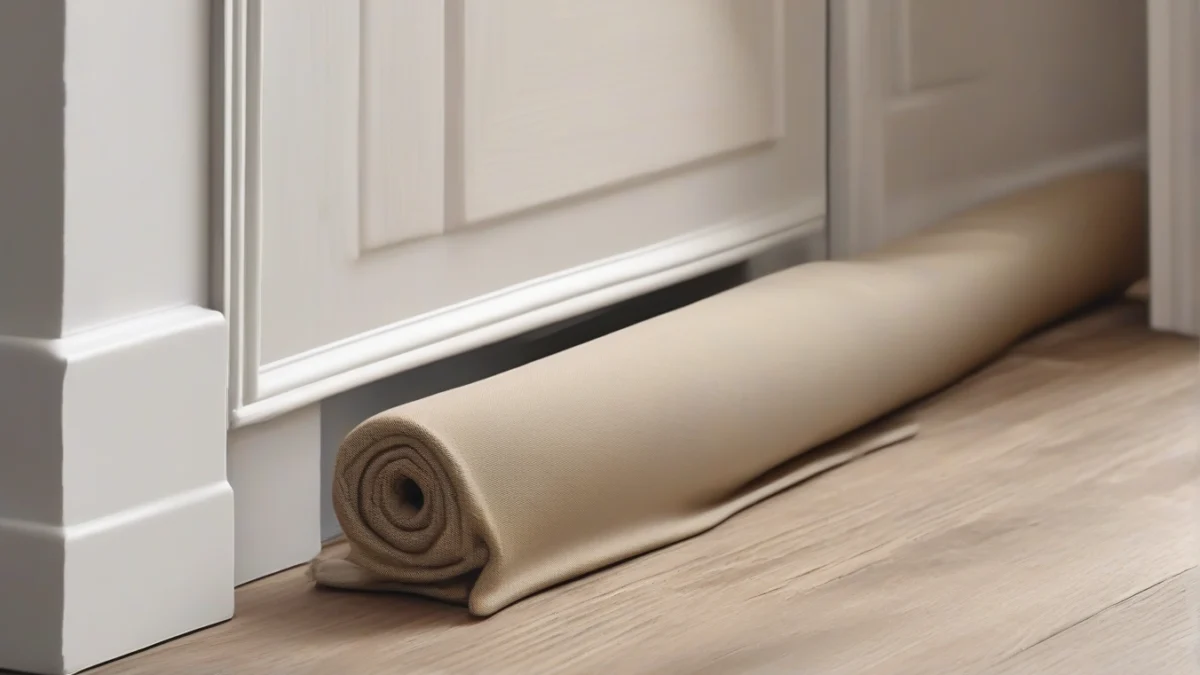
Timber-framed houses lose heat through gaps and poorly insulated areas more than solid walls do. Air sealing stops cold drafts and heat loss, while insulation slows heat transfer. Moisture control prevents condensation that can cause rot or mold inside the wood structure.
The timber frame’s natural wood can shrink or expand with temperature and humidity changes. This movement creates small gaps over time, increasing drafts and heat loss. Inspect joints, corners, and areas where wood meets other materials for cracks or separations.
- Seal Drafts Around OpeningsUse weatherstripping on doors and windows. Apply caulk to gaps around window frames, door frames, and where siding meets the foundation. Install door sweeps to block cold air at the bottom of exterior doors.
- Add or Upgrade InsulationCheck attic, wall, and floor insulation levels. Use insulation rated for timber-frame walls, such as spray foam or rigid foam boards, which fill irregular spaces and reduce air leaks. Avoid compressing insulation; it loses effectiveness.
- Manage Moisture and CondensationInstall vapor barriers on the warm side of insulation to prevent moisture from entering the timber frame. Ensure proper ventilation in attics and crawl spaces to keep humidity low. Use dehumidifiers if necessary in damp areas.
- Winterproof Windows and DoorsInstall storm windows or insulated window panels to reduce heat loss. Use thermal curtains or blinds at night. Check door seals and replace worn weatherstripping to maintain a tight fit.
- Protect Foundations and FloorsSeal foundation cracks with masonry sealant. Insulate basement walls or crawl spaces to prevent cold air from entering. Use rugs or insulated flooring in cold areas to reduce heat loss through floors.
| Appliance | Watts | Per hour | Per day (8 h) | Per month (30 days) |
|---|---|---|---|---|
| Typical 1,500 W space heater | 1,500 W | 26¢ | $2.04 | $61.20 |
| Dehumidifier | 350 W | 6.0¢ | 48¢ | $14.28 |
Winterproofing a timber home combines careful air sealing, insulation, and moisture management. It protects the wood structure and keeps your home warm. For detailed air sealing, insulation, and moisture control techniques, see sections on air sealing and moisture management.
Safety Precautions When Winterproofing
Winterproofing your timber home requires caution to avoid hazards. Always unplug electrical appliances before starting insulation or sealing work to prevent shocks or fires.
Carbon monoxide is a silent danger when sealing or using fuel-burning heaters indoors. If you smell gas, feel dizzy, or suspect carbon monoxide, stop work immediately and call a professional.
Keep a clear workspace and use proper tools. Avoid blocking exits or pathways with materials. Wear gloves and goggles when handling insulation and sealants.
Understanding Timber Frame Vulnerabilities
Timber homes face specific challenges in winter that affect comfort and durability. Thermal bridging happens when wood or metal studs conduct heat from inside to outside, creating cold spots and heat loss.
Air infiltration is another issue. Gaps around windows, doors, and joints let cold air in and warm air out. This drafts increase heating costs and cause uneven temperatures.
Interstitial condensation occurs inside walls when warm indoor air meets cold surfaces within the timber frame. Moisture collects and can damage wood, insulation, and finishes.
Addressing these vulnerabilities early helps maintain warmth and prevents costly repairs. Sealing leaks and improving insulation reduce thermal bridging and drafts, while managing moisture protects the wood structure.
Effective Insulation Strategies
The best insulation for timber homes is one that fits the frame without trapping moisture. Spray foam and rigid foam boards are top choices because they seal gaps and add R-value without compressing.
For timber frame construction, insulation options include spray foam, rigid foam board, mineral wool, and fiberglass batts. Spray foam sticks to wood and air seals in one step. Rigid foam boards fit tightly between or over framing members. Mineral wool and fiberglass batts are traditional but need a good air barrier to prevent drafts.
How to insulate timber homes depends on whether you are building new or retrofitting an existing structure. New builds allow installing insulation inside the wall cavities during framing. For existing homes, adding rigid foam boards over the exterior or interior walls often works best to avoid tearing off siding or drywall.
Spray Foam Installation Tips
- Choose closed-cell spray foam for higher R-value and moisture resistance.
- Apply foam in thin layers to avoid excessive heat buildup that can damage wood.
- Seal all gaps and joints thoroughly to prevent air leaks.
- Wear protective gear and ventilate the area during application.
Closed-cell spray foam adds about R-6 to R-7 per inch and acts as a vapor barrier. It bonds tightly to timber, reducing air movement and moisture intrusion. However, it costs more and requires professional installation for consistent results.
Rigid Foam Board Installation Tips
- Cut boards to fit snugly between or over framing members.
- Use foam board with foil facing for added radiant heat reflection.
- Seal edges and seams with compatible tape or spray foam to maintain air tightness.
- Install a weather-resistant barrier over the foam on exterior applications to protect it.
Rigid foam boards come in polyisocyanurate, extruded polystyrene (XPS), and expanded polystyrene (EPS). Polyiso offers the highest R-value per inch, around R-6 to R-6.5. XPS and EPS have lower R-values but are more moisture resistant.
When retrofitting, adding rigid foam to the exterior is often easier and more effective than removing interior finishes. This method increases thermal mass inside and reduces thermal bridging through timber studs.
Considerations for Existing Timber Homes
Retrofitting insulation in timber homes requires care to avoid trapping moisture. Always maintain or add a vapor barrier on the warm side of the insulation to prevent condensation within walls.
Check for existing damage or rot before adding insulation. Repair or replace compromised timber first. In some cases, installing a dehumidifier can help manage moisture after insulation upgrades.
Combining insulation with proper air sealing and moisture control is key for winterproofing timber homes. For more on sealing drafts, see Air Sealing Techniques to Eliminate Drafts. For heating options tailored to timber frames, see Best Heaters for Cold Timber-Framed Homes.
Air Sealing Techniques to Eliminate Drafts
Sealing drafts in timber homes starts with finding every air leak. Most drafts come from gaps around windows, doors, and where different materials meet. Draft proofing timber houses means blocking these leaks to keep warm air inside and cold air out.

A draft audit is the first step. On a cold, windy day, hold a lit incense stick or candle near suspected leak points. Watch for smoke or flame flicker to spot hidden drafts around window frames, door edges, baseboards, and electrical outlets. You can also feel for cold air with your hand or use a thermal camera for a more detailed check.
- Inspect and mark leaksCheck windows, doors, attic hatches, vents, and plumbing penetrations for gaps or cracks. Mark these spots with painter’s tape or chalk.
- Prepare surfacesClean the areas around leaks to remove dust and old sealant for better adhesion.
- Choose sealing materialsUse caulk for small cracks and gaps less than 1/4 inch wide. Weatherstripping fits around movable parts like doors and windows. Foam gaskets work well behind outlet covers and switch plates.
- Apply sealantsSmooth caulk into cracks with a putty knife or finger. Apply weatherstripping along door jambs and window sashes, pressing firmly. Insert foam gaskets behind electrical plates.
- Install door sweepsAttach door sweeps to the bottom edge of exterior doors to block drafts under doors.
Use high-quality silicone or latex caulk for durability. For gaps wider than 1/4 inch, use low-expansion spray foam, but avoid overfilling to prevent warping timber frames. Weatherstripping comes in vinyl, foam, or felt; vinyl lasts longest outdoors. Foam gaskets are thin and compressible, perfect for electrical outlets and switch plates where cold air leaks through wall cavities.
| Material | Best For | Durability | Cost |
|---|---|---|---|
| Caulk | Small cracks and gaps | Lasts years indoors | Low |
| Weatherstripping | Doors and windows | Lasts several seasons | Low to medium |
| Foam gaskets | Electrical outlets and switch plates | Lasts years indoors | Low |
| Spray foam | Large gaps over 1/4 inch | Permanent seal if applied correctly | Medium |
After sealing, retest with the incense stick or your hand on windy days to confirm leaks are sealed. Repeat the process as needed. Draft proofing your timber house this way reduces heating costs and improves comfort without expensive upgrades.
For exterior doors, install door sweeps that are adjustable or have a flexible rubber seal to accommodate uneven floors. This prevents cold air from entering under the door without making it hard to open or close.
Electrical outlets on exterior walls are a common draft source. Foam gaskets are inexpensive and easy to install by simply removing the outlet cover, inserting the gasket, and replacing the cover. This blocks cold air infiltration without rewiring.
Combine air sealing with insulation for best results. Sealing alone stops drafts but does not add warmth. Proper insulation fills cavity spaces to reduce heat loss through walls and ceilings.
For more ways to winterproof your timber home on a budget, see winterproof your home on a budget. If you want to learn about heating options for timber homes, check best heater for cold timber-framed homes.
Managing Moisture and Preventing Condensation
Condensation in timber homes happens when warm indoor air meets cold surfaces, turning moisture into water. Managing moisture is critical to prevent wood rot, mold, and structural damage. The first step is to control indoor humidity and keep air moving.
Vapor barriers are essential in timber homes. They stop moisture from passing through walls and ceilings, where it can condense inside insulation or on cold wood surfaces. Install vapor barriers on the warm side of insulation, typically the interior, to block moisture from inside the house.
Proper ventilation prevents moisture buildup that leads to condensation. Use exhaust fans in kitchens, bathrooms, and laundry rooms to remove humid air. Make sure vents lead outside, not into attics or crawl spaces. Consider installing a mechanical ventilation system with heat recovery for balanced airflow without losing heat.
Indoor humidity should stay between 30% and 50%. Use a hygrometer to monitor levels. Running a dehumidifier in damp areas or during wet weather helps. Avoid drying clothes indoors and cover pots when cooking to reduce moisture release.
- Check and Seal LeaksInspect for leaks around windows, doors, and plumbing that let moist outdoor air inside or allow water intrusion. Seal gaps with weatherstripping or caulk.
- Install Vapor BarriersPlace polyethylene sheets or specialized membranes on the interior side of walls and ceilings before finishing with drywall or paneling.
- Ventilate High-Moisture RoomsUse exhaust fans vented outdoors in bathrooms, kitchens, and laundry rooms during and after use.
- Control Indoor HumidityUse a hygrometer to monitor and run dehumidifiers as needed. Avoid habits that increase indoor moisture.
- Maintain Attic and Crawl Space VentilationEnsure vents are clear and functional to prevent trapped moisture in these areas.
Moisture management for timber homes requires attention to both air sealing and ventilation. Air sealing stops cold air and moisture from entering, while ventilation removes excess humidity. Both strategies work together to protect timber from condensation damage.
For more on sealing drafts in timber homes, see air sealing techniques to eliminate drafts. To learn about efficient heating options that help reduce indoor humidity, check best heaters for cold timber-framed homes. If you want budget tips for winterproofing, visit winterproof your home on a budget.
Frequently Asked Questions
What are the best insulation materials for timber homes?
How can I identify drafts in my timber home?
What should I do if I suspect carbon monoxide in my home?
How often should I check my insulation and seals?
What are the signs of condensation damage in timber structures?
Are there any quick fixes for winterproofing a timber home?
We go through energy efficiency for stone cottages step by step in a separate article.
Before you buy anything, it is worth looking at fast ways to warm a bedroom.