
A loft living room can be a beautiful and spacious area, but it often faces unique heating challenges. Insufficient insulation, drafts, and high ceilings can lead to a chilly atmosphere, making it essential to adopt effective strategies for warmth.
How to Warm Up a Loft Living Room Efficiently
The best way to warm a loft living room efficiently starts with sealing drafts and installing proper insulation, then choosing a heating system that fits the room’s size and shape. Without central heating, electric radiators or oil-filled panel heaters provide steady warmth, while backup portable heaters help during power cuts.
Loft living rooms lose heat rapidly through roofs and windows, so cold roof insulation or warm roof insulation is essential. Insulation can cut heat loss through the roof by up to 25%, while cavity wall insulation reduces another third through walls. Sealing gaps around windows, doors, and loft hatches prevents cold air from entering and warm air from escaping.
- Draft-Proof the RoomCheck all windows and doors for gaps. Use weatherstripping or draught excluders to seal them. Pay special attention to loft hatches and any wall penetrations.
- Add or Upgrade InsulationFor loft conversions, install warm roof insulation above rafters to trap heat inside the room. In unconverted lofts, cold roof insulation over ceiling joists works better. Aim for insulation thickness that meets or exceeds local building codes.
- Choose the Right HeaterUse electric radiators or oil-filled panel heaters sized for the room’s square footage and ceiling height. For sloped or low walls, low-profile horizontal radiators fit better and distribute heat evenly. Avoid relying on portable heaters as the main heat source.
- Improve Heat CirculationUse ceiling fans on low reverse settings to push warm air from the ceiling down. Place furniture and soft furnishings to retain heat and reduce cold spots.
- Use Warm Decor ChoicesAdd thick rugs, heavy curtains, and thermal skylight blinds to reduce heat loss through floors and windows. These also help prevent condensation.
If central heating is not an option, electric radiators offer a clean, efficient way to heat a loft living room. Oil-filled panel heaters are quieter and keep radiating heat after switching off, making them ideal for bedrooms or longer use. Portable heaters serve best as emergency backup during power cuts, not as primary heat sources due to higher running costs.
| Appliance | Watts | Per hour | Per day (8 h) | Per month (30 days) |
|---|---|---|---|---|
| 1,500 W electric radiator | 1,500 W | 26¢ | $2.04 | $61.20 |
| 200 W oil-filled panel heater | 200 W | 3.4¢ | 27¢ | $8.16 |
Loft living rooms often have sloped ceilings and limited wall space, so measure carefully before buying radiators. Low-profile models fit under windows or along short walls, maximizing heat output without crowding the room. Thermal skylight blinds reduce window heat loss by up to 30%, an important factor since windows account for about 25-30% of heat loss in homes.
Draft-proofing combined with insulation and the right heating system creates a warmer loft living room without excessive energy use. Choose electric radiators or oil-filled panels for steady heat when central heating is unavailable, and keep portable heaters for power outages. Add rugs, curtains, and blinds to trap warmth and improve comfort.
For more on sizing radiators and insulation options specific to lofts, see how to warm a top-floor room efficiently and loft insulation.
Understanding Heat Loss in Loft Living Rooms
Heat loss in loft living rooms happens mainly because warm air rises and collects near the ceiling, leaving the lower living area colder. High ceilings create convection currents that pull heat upward, making the floor level feel chilly even when the heating runs. Addressing this natural movement of heat is key to maintaining comfort.
Large windows, especially sliding glass doors common in living rooms, contribute significantly to heat loss. Windows can account for 25 to 30 percent of the heating energy lost in a home. To keep the living space warm in winter, install thermal curtains or insulated blinds on sliding glass doors. These treatments reduce heat escaping through the glass and block cold drafts.
Fireplaces in loft living rooms often cause heat to escape up the chimney when not in use. This draft pulls warm air from the room, increasing heat loss. To fix this, use a chimney balloon or a tightly fitted damper to block the chimney when the fireplace is off. This prevents warm air from rising out and cold air from coming in.
Thermal bridging also worsens heat loss in lofts. This happens where building materials with high thermal conductivity, like metal or wood framing, create paths for heat to escape through walls or roof sections. Minimizing thermal bridging requires continuous insulation layers and careful detailing around windows and doors.
Sealing gaps and cracks is essential. Even small gaps around window frames, doors, and loft hatches let cold air in and warm air out. Draught-proofing with weatherstripping or sealant reduces this uncontrolled airflow. Focus on sealing around sliding doors, window frames, and any wall penetrations.
- Check for DraftsFeel for cold air leaks around windows, doors, and loft hatches on a windy day.
- Seal GapsApply weatherstripping or caulk to close identified gaps and cracks.
- Treat Sliding DoorsInstall thermal curtains or insulated blinds to reduce heat loss through glass.
- Manage FireplaceUse a chimney balloon or close the damper when the fireplace is not in use.
Effective Insulation Strategies for Lofts
For loft conversions, the insulation thickness should meet or exceed 270 millimeters of mineral wool or an equivalent thermal resistance. This thickness balances heat retention and space efficiency, satisfying building regulations for energy performance.

Insulating an uninsulated roof requires choosing between cold roof and warm roof methods. Cold roof insulation places insulation below the rafters over the ceiling joists, suitable for non-converted lofts used as storage. Warm roof insulation fits above or between the rafters, sealing the roof structure itself, which is essential for loft conversions where the space is habitable.
- Identify the Loft TypeDetermine if your loft is a non-converted storage space or a converted living area, as this affects the insulation method.
- Choose the Insulation MethodUse cold roof insulation for non-converted lofts by installing insulation between and over ceiling joists. For loft conversions, install warm roof insulation above the rafters to retain heat within the living space.
- Select Insulation MaterialMineral wool batts or rolls are common for blanket insulation, while blown-fibre insulation suits irregular spaces. PIR or PUR rigid boards provide high thermal resistance in thinner layers, ideal for tight spaces.
- Install Vapor BarriersInclude a vapor control layer on the warm side of the insulation to prevent condensation buildup, which can cause damp and damage.
- Seal Gaps and DraughtsDraught-proof loft hatches and seal around pipes, vents, and skylights to minimize heat loss.
Key areas to insulate for maximum impact include the loft floor or roof, depending on the loft type, plus cavity walls if accessible. Adding cavity wall insulation can reduce heat loss through walls by about a third, complementing roof insulation.
| Insulation Type | Best Use | Thermal Performance | Typical Thickness |
|---|---|---|---|
| Blanket (Mineral Wool) | Between joists or rafters | Good | 270 mm |
| Blown-fibre | Irregular spaces, airtight | Good | 270 mm |
| Rigid PIR/PUR Boards | Tight spaces, warm roof | Very good | 100-150 mm |
For an uninsulated roof, start by removing any old or damaged materials. Fit insulation above the ceiling joists for cold roofs or between rafters for warm roofs. Use airtight membranes and vapor barriers as specified to prevent moisture problems. Proper installation is critical to avoid condensation and loss of insulation effectiveness.
Loft windows and skylights need attention too. Thermal skylight blinds reduce heat loss through glass, which accounts for up to 30% of heating energy loss in homes. Sealing around frames and using insulated curtains helps keep the warmth inside.
Draught-proofing around loft access hatches, vents and any gaps is simple but effective. Even small leaks can undermine insulation efforts by letting cold air in and warm air out.
Choosing the Right Heating System for Your Loft
Electric radiators and underfloor heating are the two main options for heating loft living rooms. Each has strengths and drawbacks that depend on your loft’s layout, insulation, and ceiling height.
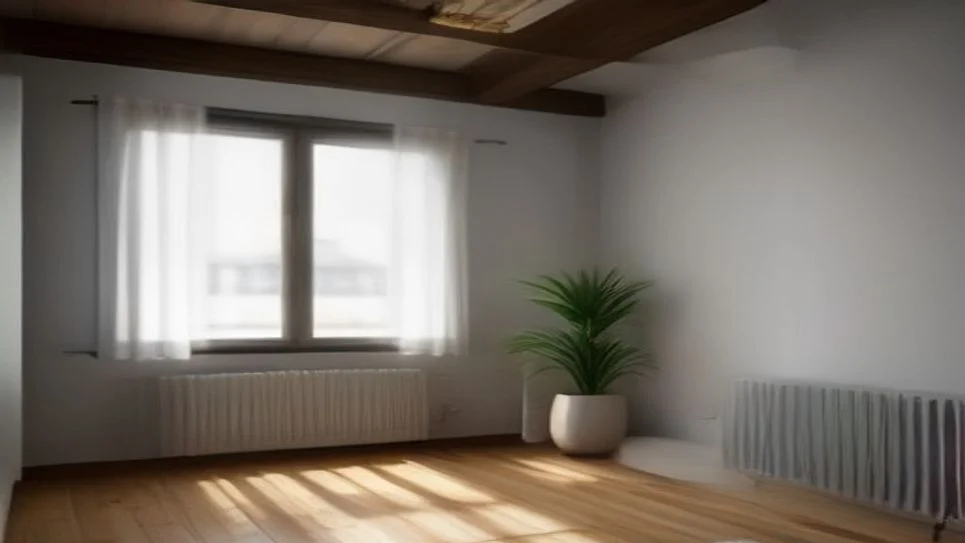
Electric radiators plug into standard outlets and heat the air by convection. They are easy to install, especially in lofts without existing central heating pipework. Underfloor heating warms the floor surface, radiating heat evenly upward. It requires installation beneath the floor finish and works best with good insulation below.
Underfloor heating alone usually does not suffice in a loft with high ceilings. Heat rises and accumulates near the ceiling, leaving the lower living space cool. Electric radiators or additional heat sources help maintain comfortable temperatures at occupant level.
Sizing a heating system for your loft depends on the room’s square footage, ceiling height, and insulation quality. Calculate the required heating output in British Thermal Units (BTU) or watts by multiplying the room’s volume by a factor that accounts for insulation and window type.
- Measure the room volumeMultiply the floor area by the ceiling height, including sloped sections, to get cubic feet or meters.
- Adjust for insulation qualityUse a higher multiplier if insulation is below recommended levels or if windows are single-glazed.
- Calculate required BTUA well-insulated loft typically needs about 4 to 6 BTU per cubic foot; poorly insulated spaces need more.
- Convert BTU to wattsDivide BTU by 3.41 to get watts needed for electric heating.
For example, a 300 square foot loft with an 8-foot average ceiling and good insulation requires about 9,600 to 14,400 BTU (2,800 to 4,200 watts). Electric radiators can be chosen to match this output, or underfloor heating can cover part of the load supplemented by radiators.
| Heating System | Pros | Cons |
|---|---|---|
| Electric Radiators | Easy to install; no pipework; good for occasional use | Can feel dry; may increase electric bills; heat rises in high ceilings |
| Underfloor Heating | Even heat distribution; comfortable floor temperature | Expensive installation; slow to react; less effective alone in high ceilings |
In lofts with sloped or low walls, choose low-profile or horizontal electric radiators that fit available space without blocking windows or furniture. Radiators with built-in thermostats and timers improve energy efficiency by maintaining set temperatures only when needed.
Underfloor heating works best with thick insulation above and below the floor to prevent heat loss downward and upward. Warm roof insulation in loft conversions helps retain this heat within the room.
For lofts lacking central heating, electric radiators offer an efficient way to heat the space without major renovations. They provide quick warmth and can be moved or replaced easily if your heating needs change.
Underfloor heating is a good choice if you want consistent, gentle warmth and plan to keep the loft heated for long periods. It pairs well with good insulation and can reduce drafts when combined with thermal skylight blinds and draught-proofing.
Avoid relying solely on portable heaters as a primary heat source. They use more electricity for the heat they produce and lack safety features required for continuous use in living spaces.
Consider integrating heating controls designed for lofts. Thermostats placed at occupant height and smart timers help manage heat distribution and reduce wasted energy in rooms with high ceilings and variable insulation.
Dormer and mansard lofts may require different radiator placement due to wall shapes. Use horizontal radiators along flat wall sections and electric radiators with thermostatic control in dormer bays to maintain even temperatures.
Window treatments beyond skylight blinds, such as thermal curtains or cellular shades, reduce heat loss through dormer windows and improve overall heating efficiency.
A typical electric radiator output ranges from 500 to 2,500 watts. Match the output to your calculated heating requirement for the loft. Oversized radiators waste energy; undersized ones fail to keep the space warm.
Heat Circulation Techniques in High Ceilings
Loft living rooms with sloped or high ceilings face a common challenge: heat rises and collects near the ceiling, leaving the lower area colder. This happens because of convection currents, where warm air moves upward and cooler air sinks. The best way to circulate heat in these rooms is to encourage warm air to mix with cooler air near the floor, improving comfort and heating efficiency.
Proper placement of radiators and vents is key. Install radiators on the lowest available wall space, preferably under windows or near seating areas. This targets the cooler air that settles low and pushes warm air upward. For lofts with sloped ceilings or low knee walls, low-profile or horizontal radiators fit better and still deliver sufficient heat output.
Ceiling or wall vents should be positioned to promote airflow from warm zones near the ceiling back down to the living space. If the loft has an underfloor heating system, vents help distribute the heat evenly. Avoid placing vents too high without a way to circulate air downward, as warm air will stagnate near the ceiling.
- Use Ceiling Fans on Low SettingInstall ceiling fans that can run in reverse or on low speed. This pushes warm air trapped near the ceiling back down without creating a cold draft. Fans help mix air layers, improving overall warmth at seating level.
- Place Portable Fans StrategicallyIf ceiling fans are not an option, use oscillating fans set on low to medium speed. Position them to circulate warm air from radiators or vents toward the center of the room.
- Open Internal DoorsKeep doors to adjacent rooms open to allow heat to move freely. This reduces pockets of cold air trapped in corners or behind partitions.
- Avoid Blocking RadiatorsDo not place furniture or curtains in front of radiators. This blocks heat flow and worsens convection currents.
Fans add a small electricity cost but can reduce the need to run heaters at full power. A typical ceiling fan uses around 30 to 50 watts, much less than a 1,500-watt heater. Running a fan for 8 hours a day at 17 cents per kWh costs only a few cents daily.
| Device | Typical Power (watts) | Daily Cost @ 17¢/kWh (8 hrs) |
|---|---|---|
| Ceiling Fan | 40 | 0.05 |
| 1,500 W Heater | 1,500 | 2.04 |
In loft living rooms, combining well-placed radiators or underfloor heating with fans for air circulation creates a more even temperature. This approach reduces wasted heat near the ceiling and lowers overall energy use. Use low-profile radiators or horizontal panels where wall space is limited by sloped ceilings. Fans are a low-cost add-on that significantly improves heat distribution.
For more on choosing heating systems suited to lofts, see Choosing the Right Heating System for Your Loft. To learn about insulation strategies that reduce heat loss, visit Effective Insulation Strategies for Lofts.
Decor Tips for a Cozy Loft Living Room
Prevent condensation in a loft by balancing warmth with ventilation. Keep air moving with vents or occasional window openings to stop moisture buildup while retaining heat. Use decor that helps trap warmth but allows walls to breathe.
- Add Soft FurnishingsUse thick rugs, heavy curtains, and upholstered furniture to absorb and retain heat. These materials slow heat loss through floors and windows, making the room feel warmer.
- Choose Warm ColorsPaint walls and ceilings in warm tones like deep reds, oranges, or earthy browns. These colors reflect light warmly and psychologically increase the feeling of heat.
- Select Cozy LightingUse warm white bulbs (around 2,700 K) and multiple light sources like floor lamps and table lamps to create an inviting glow. Avoid harsh overhead lighting that can make the space feel cold.
Frequently Asked Questions
What is the optimal radiator size and type for a typical loft living room?
How effective are electric radiators compared to extending central heating?
Should heating controls differ for lofts compared to other rooms?
How do dormer and mansard lofts affect heating choices?
What role do different window treatments play besides skylight blinds?
Are portable heaters a viable backup heating solution in lofts?
It helps to understand enhancing heat retention in bungalows before spending anything.
We cover improving warmth in rental homes in its own guide.
