
A cold stairwell can make your upstairs feel unwelcoming and uncomfortable. This problem often arises from heat loss due to drafts and poor insulation, making it essential to address the issue effectively.
How to Warm a Cold Stairwell Leading to Bedrooms
To warm a cold stairwell leading to bedrooms, start by sealing drafts and insulating walls and floors. Use a supplemental heater for immediate warmth while you work on insulation.
Cold stairwells often feel chilly because cold air enters through gaps in windows, doors, or wall joints. Heat rises from lower floors, so stairwell handles or railings might feel warm due to conduction from warmer spaces below.
- Step 1: Inspect the Stairwell for DraftsCheck windows, doors, and wall joints for gaps. Pay attention to where the stairwell meets the floor and ceiling.
- Step 2: Seal Drafts with Weatherstripping or CaulkApply weatherstripping to movable parts like doors and windows. Use silicone or acrylic latex caulk for stationary gaps around frames and trim.
- Step 3: Add Insulation Where PossibleIf walls or floors are accessible, add fiberglass batt or foam board insulation. Focus on exterior walls or unheated spaces adjacent to the stairwell.
- Step 4: Use a Supplemental HeaterChoose a heater rated for stairwell size, such as a ceramic or oil-filled radiator. Ensure it has safety features like tip-over and overheat protection and plug it directly into a wall outlet.
Sealing drafts reduces cold air entry, while insulation helps keep heat in. Supplemental heaters provide immediate relief but can be costly if used long-term. The handles of your stairwell are warm because heat rises and warms the metal or wood surfaces by conduction, even if the air feels cold.
This approach balances quick comfort with lasting fixes. Start with sealing drafts and adding insulation. Use supplemental heat only as needed for short periods.
Immediate Fixes: Sealing Drafts and Managing Airflow
A cold stairwell usually feels that way because of air leaks and poor airflow. Cold air seeps in through gaps around windows, door frames, and where the stairwell meets other walls or the ceiling. Warm air escapes upward, drawing in more cold air from below.
- Find Air LeaksCheck for drafts by holding a lit incense stick or a thin piece of tissue near windows, door frames, baseboards and electrical outlets. Watch for smoke or tissue movement indicating airflow.
- Seal Gaps and CracksUse weatherstripping on doors and windows. Apply caulk to cracks in walls, especially around trim and where walls meet the ceiling. Install foam gaskets behind outlet covers on stairwell walls.
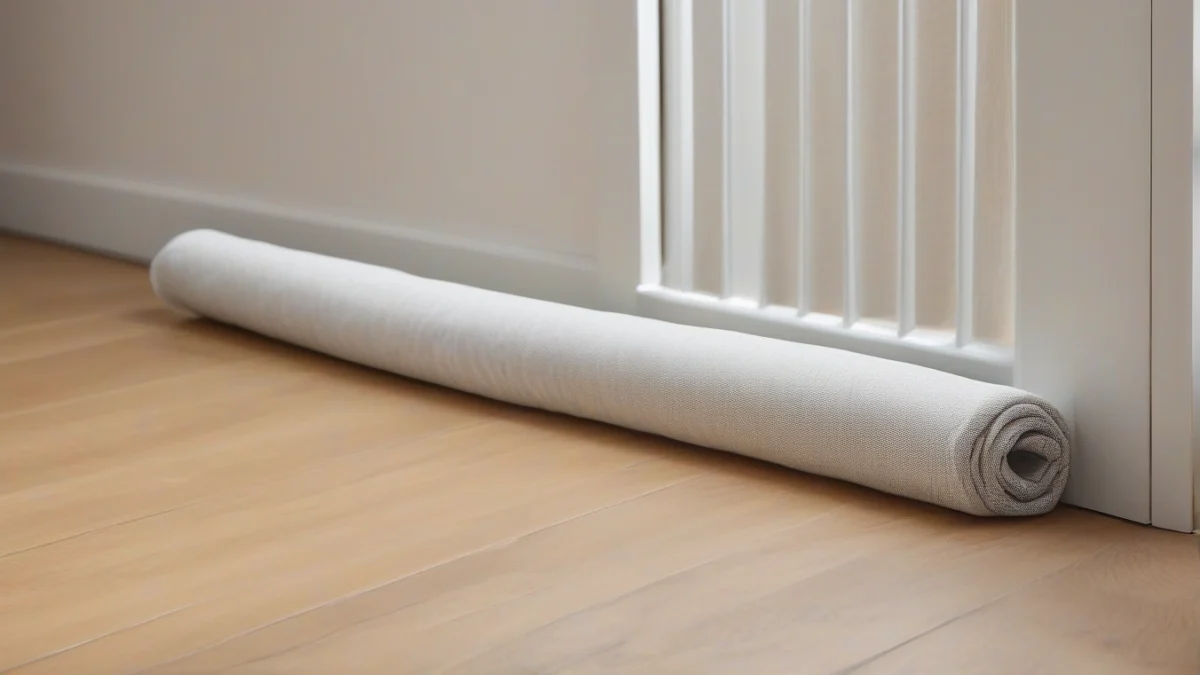
- Manage Door AirflowKeep the stairwell door closed to trap warm air upstairs. If the stairwell door opens into a cold area, add a door sweep or bottom seal to block drafts. Avoid leaving the door open for long periods.
- Use Extractor Fans WiselyExtractor fans in bathrooms or kitchens can pull warm air out of the stairwell, making it colder. Run these fans only when needed and close doors to the stairwell during use to limit cold air pull.
Insulation Solutions for Walls, Floors, and Doors
Insulation is the best defense against cold stairwells. It slows heat loss through walls, floors, and doors. Without it, warm air escapes and cold air penetrates, making the stairwell a chill zone.
Fiberglass batt insulation is common for walls and under-stair cavities. It fits between studs and joists and has an R-value around 13 to 15 per 3.5-inch thickness. Spray foam offers higher R-values and seals gaps but costs more.
- Insulate Walls and Under-Stair SpacesRemove drywall or paneling if needed. Install fiberglass batts or spray foam between studs and joists. Seal all edges and gaps with expanding foam or caulk to prevent air leaks.
- Upgrade Flooring for WarmthIf the stairwell floor is over an unheated basement or crawl space, add rigid foam insulation under the subfloor. Consider insulating stair treads with carpet or stair runners to reduce cold contact.
- Seal and Insulate DoorsReplace hollow-core doors with solid wood or insulated doors. Add weatherstripping around door frames and install door sweeps to block drafts at the bottom.
Proper insulation paired with sealing drafts can cut heat loss dramatically in stairwells. For more on heating solutions tailored to bedrooms and adjacent areas, see How to Warm a Cold Bedroom Home Office.
Choosing the Right Heating Method for Your Stairwell
The best heater for a cold stairwell is a compact, safe electric model that provides steady warmth without risk. Portable ceramic heaters with tip-over and overheat protection fit this need well. They heat quickly, use 1,200 to 1,500 watts, and shut off automatically if tipped or overheated.
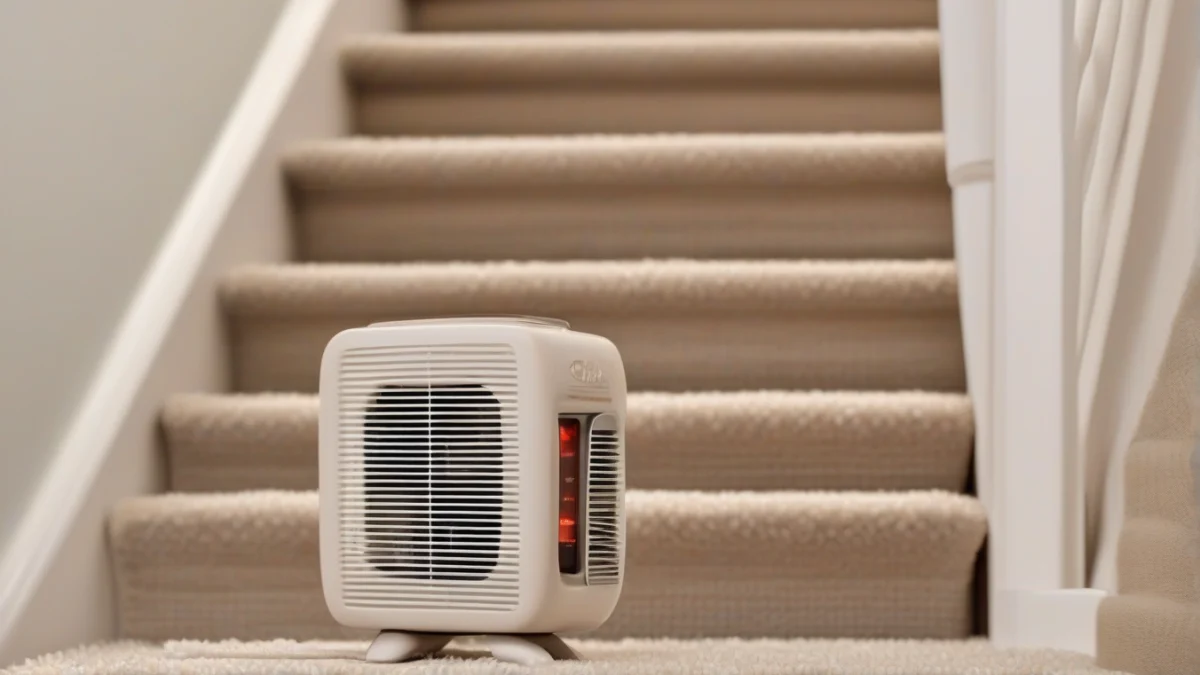
Heating options for stairwells include electric space heaters, wall-mounted panel heaters, and low-profile infrared panels. Electric space heaters plug into standard outlets and can be moved as needed. Wall-mounted panels save floor space and provide even heat, but require installation. Infrared panels warm objects and people directly, which works well in drafty stairwells.
- Check Safety FeaturesChoose heaters with UL, ETL, or CSA certification. Look for tip-over and overheat protection. Never use extension cords or power strips with heaters.
- Consider PlacementPlace the heater on the stair landing or a flat surface where it won’t block traffic. Keep at least 3 feet of clearance from walls, stairs, and combustible materials.
- Use Timers or ThermostatsSet the heater to run only when needed. Thermostats prevent overheating and reduce electricity use.
Long-Term Strategies for Balanced Home Heating
To balance heating in a home, optimize your HVAC system to distribute warm air evenly, including to stairwells. Regularly clean or replace filters, and ensure vents are open and unobstructed on all floors. Zoned systems or programmable thermostats help maintain consistent temperatures.
Understanding the thermal envelope of your home means knowing where heat escapes. Seal gaps around windows, doors, and stairwells. Add insulation to walls, floors, and ceilings to reduce heat loss. This reduces the workload on your heating system and improves comfort.
A whole-house heating approach uses insulation, airtight construction, and efficient HVAC to keep all rooms warm without overusing portable heaters. It cuts energy waste and prevents cold spots like stairwells. This approach requires upfront investment but lowers heating bills long term.
- Inspect and Seal Air LeaksCheck for drafts around stairwell openings and seal with weatherstripping or caulk.
- Increase InsulationAdd insulation to walls and floors near the stairwell if accessible.
- Balance AirflowAdjust HVAC vents to deliver warm air to stairwells and upper floors evenly.
- Use Programmable ThermostatsSet different temperatures for day and night to save energy while maintaining comfort.
Frequently Asked Questions
What are the main causes of a cold stairwell?
How can I improve airflow in my stairwell?
What type of insulation is best for stairwells?
Are there specific heaters recommended for stairwells?
How can I tell if my stairwell is properly insulated?
What are the safety tips for using space heaters?
Before you buy anything, it is worth looking at keeping your wardrobe warm.
For the detail, see our notes on warm a cold cloakroom.
