
That first step into a cold bathroom on a winter morning is a brutal wake-up call. The tiles are icy, the air feels damp, and the last thing you want to do is get undressed. You’re not alone in facing this morning chill. The good news? You don’t have to suffer through a frosty bathroom every day.
With the right strategy, you can transform that cold space into a warm, inviting retreat before your shower. It’s about smart preparation, effective tools, and a few clever hacks. This guide will walk you through how to warm a cold bathroom quickly, covering everything from overnight prep to instant heat sources and energy-smart habits.
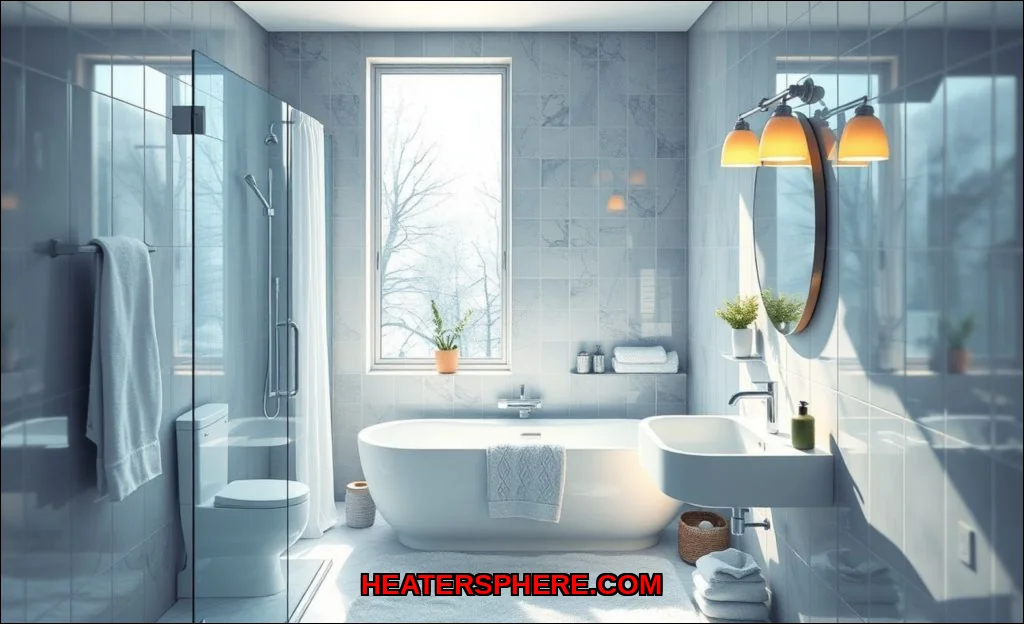
Why Your Bathroom Gets So Cold in the Morning
Understanding the problem is the first step to solving it. Bathrooms are often the coldest room for a few key reasons. They typically have more external walls and windows than other rooms. Tiled floors and walls have low thermal mass, meaning they don’t hold heat well. Overnight, with the heating off, all that cold seeps in. For the detail, see our notes on heating a small uk bathroom without windows.
Moisture is another culprit. Showers create steam, which increases humidity. When that warm, damp air hits cold surfaces like mirrors and tiles, it condenses. This process actually cools the air further. Managing that damp air is a critical part of feeling warmer, which we’ll cover later.
Your Quick-Fix Heat Source: The Space Heater
For immediate, targeted warmth, a portable electric heater is your best friend. It’s the ultimate solution for how to warm up a bathroom before a shower when you’re short on time. Simply place a safe, bathroom-appropriate model in the room, turn it on 10-15 minutes before you need it, and close the door.
Safety is paramount. Look for heaters with tip-over protection and cool-touch casings. For a powerful, rapid, and safe option, many find the DREO Space Heater to be an excellent choice. Its oscillation feature helps distribute heat evenly, tackling that stubborn morning chill from every corner. Remember, never leave a portable heater unattended or use it near water sources.
Pre-Heating: The Overnight Strategy to Beat the Chill
The most effective way to avoid a cold bathroom is to never let it get cold in the first place. This requires a bit of planning the night before.
- Schedule Your Central Heating: If you have a thermostatic radiator valve (TRV) on your bathroom radiator, set it to a low frost-protection setting overnight (around 12C). A smart thermostat can be programmed to bring the bathroom up to temperature 30 minutes before your alarm goes off. This is a game-changer for your morning routine.
- Leverage a Heated Towel Rail: If you have one, leave your heated towel rail on overnight on a low setting. It acts as a gentle, constant heat source, warming the towels and taking the edge off the room’s thermal mass. Dry, warm towels are a luxury that also makes the room feel warmer.
- Close the Door and Curtains: It sounds simple, but it works. Keep the bathroom door firmly shut overnight to trap any residual warmth. Draw any thermal or blackout curtains to create an insulating layer over the window, a major source of heat loss.
These pre-emptive steps can make a dramatic difference, turning a major warm-up job into a minor adjustment. For similar strategies in other parts of your home, explore our guide on how to quickly warm up cold bedrooms before bedtime.
Quick-Fix Heat Sources for Instant Warmth
You hit snooze one too many times, or you didn’t plan ahead. Don’t worryyou can still warm up fast. Here are your best options for instant heat.
1. Bathroom-Safe Electric Heaters
As mentioned, a portable heater is king for speed. Beyond freestanding models, consider permanent solutions. A wall-mounted, IP-rated bathroom fan heater is a fantastic installation. It provides powerful, instant heat at the flick of a switch and is designed to be safe in humid environments. Readers in this position usually ask about how to heat a cold loft bathroom effectively as well.
2. Maximize Your Existing Radiator
If you have a central heating radiator, make sure it’s working efficiently. Bleed it regularly to remove trapped air, which prevents hot water from circulating fully. Ensure furniture or towels aren’t blocking the heat output. A reflective foil panel placed behind the radiator can bounce more heat back into the room instead of into the wall.
3. The Humble Hairdryer Trick
For a super-quick, localized fix, use your hairdryer. Before you get changed, blast warm air around the room for a minute or two. Focus on the area where you’ll be standing. It won’t heat the whole space, but it can create a welcome pocket of warmth right where you need it.
Trapping the Heat: Insulation and Ventilation Secrets
Heating the air is one thing. Keeping it in the room is another. This is where insulation and smart ventilation come inthey are the unsung heroes of a warm bathroom.
- Seal the Gaps: Feel for drafts around windows, doors, and pipe entries. A simple draught excluder at the bottom of the door can stop cold air from creeping in. Use sealant or weather stripping to close gaps.
- Ventilate Wisely: This seems counterintuitive, but it’s vital. Run your extractor fan during and for 15-20 minutes after your shower. This removes the damp air that makes you feel colder and prevents condensation. A humid room always feels chillier than a dry one at the same temperature. For rooms that are inherently harder to heat, like those with more exposure, the principles in our article on how to warm a room on the top floor of the house can be very helpful.
- Add Textiles: A bath mat insulates your feet from the cold floor. Even a small rug can help. If you have a window, a thermal curtain provides a significant insulating layer.
Energy-Efficient Morning Routine for a Warm Bathroom
Let’s tie it all together into a smart, cost-effective sequence. This is your blueprint for the best way to heat a cold bathroom fast without wasting energy.
- The Night Before: Set your smart thermostat schedule or TRV. Leave the heated towel rail on low. Close the door and curtains.
- 15 Minutes Before Shower: Turn on your chosen quick heat source (space heater, fan heater, or central heating boost). Close all doors and windows.
- During Your Shower: Turn on the extractor fan. Keep the bathroom door closed to contain the steam and warmth in that one room.
- After Your Shower: Let the extractor fan run for 15-20 minutes to clear moisture. Turn off all supplemental heaters. Open the window slightly if needed, but only after the fan has done its job and you’ve left the room.
This routine manages humidity, contains warmth, and uses energy only when and where you need it. For a broader look at efficient home heating systems that can support this strategy, the U.S. Department of Energy’s guide to home heating systems is an excellent resource.
A Note on Bathroom Size and Strategy
Your tactics might shift slightly depending on your bathroom’s dimensions. A small ensuite will heat up incredibly quickly with a small space heater. A large family bathroom with high ceilings might need the combined force of a pre-heated towel rail, a scheduled radiator, and a powerful fan heater to make a dent. Always match the power of your heat source to the volume of the space.
Your Warm Morning Awaits
Conquering the morning chill in your bathroom isn’t about enduring the cold. It’s about a bit of foresight and using the right tools effectively. Start with the overnight prep to maintain a baseline warmth. Have a quick-heat solution ready for those rushed mornings. And never underestimate the power of sealing drafts and controlling moisture.
Implement even one or two of these strategieslike scheduling your heat or adding a draught excluderand you’ll notice a difference. Your morning routine will become something you enjoy, not endure. No more dashing from a warm shower onto a frosty floor. Just a comfortable, welcoming start to your day.
