
You’ve felt it. That subtle, persistent chill creeping across the floor, especially near the edges of the room. It’s not your imagination. Often, the culprit is a sneaky gap where your skirting board meets the wall or floor. These tiny openings act as highways for cold air, undermining your heating efforts and inflating energy bills. Sealing them is one of the most effective and affordable DIY draught-proofing tasks you can tackle.
This guide walks you through exactly how to stop cold air entering between skirting and wall. We’ll cover everything from why these gaps form to the best materials for the job. You’ll learn professional techniques and smart alternatives to create a warmer, more efficient home. For instance, a flexible product like the 16Feet Weather Stripping can be a fantastic, non-permanent solution for uneven gaps, and you can find it here. Let’s get started.
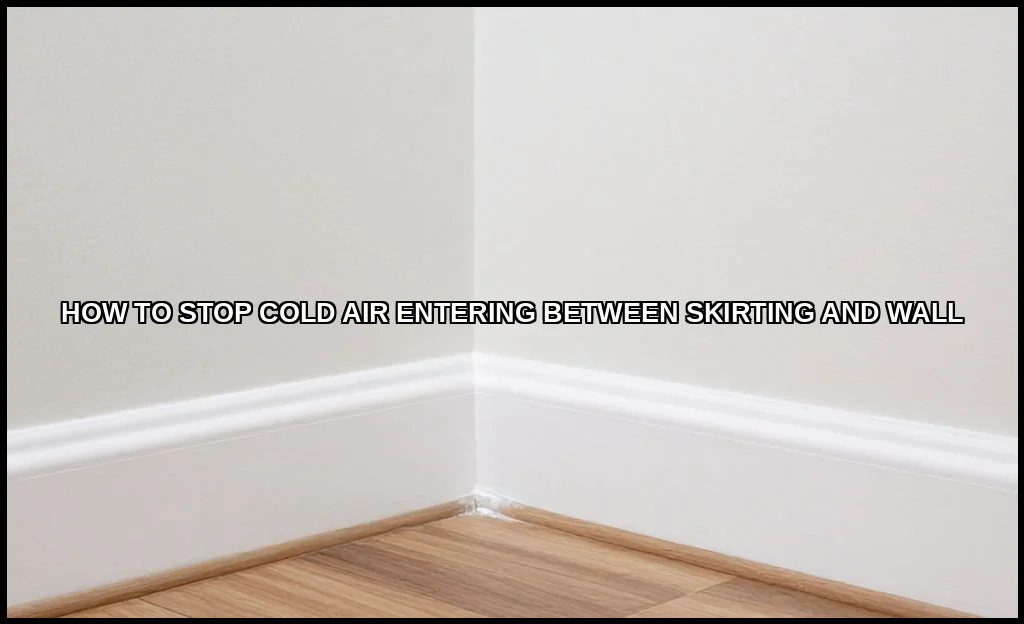
Why Gaps Form Under Your Skirting Boards
Before you reach for the sealant, it helps to know your enemy. These gaps aren’t usually a sign of poor workmanship. They’re typically caused by the natural movement and settling of your home over time. Wooden floorboards can shrink and expand with seasonal humidity changes, pulling away slightly from the skirting. Similarly, walls and plaster can contract as a building ages.
New builds often settle and shift slightly during the first few years, which can cause gaps to appear at the top of skirting boards where they meet the wall. This movement is due to drying materials and structural adjustments as the building stabilizes. Sealing these gaps requires a flexible sealant that can accommodate small movements without cracking or pulling away. Using a rigid filler here will lead to cracks and repeated gaps, so a silicone or acrylic-based flexible caulk is best for new builds. There is more on seal gaps behind radiators in a guide of its own.
The Tools and Materials You’ll Need
Gathering the right gear makes the job smoother. You likely have some items already. Heres a basic toolkit for most skirting board sealing projects:
- Caulk gun and a quality flexible decorator’s caulk or silicone sealant.
- Utility knife and scraper for cleaning old material.
- Dusting brush and vacuum cleaner.
- Damp cloth and methylated spirits (for silicone).
- Painter’s tape for clean lines (optional but recommended).
- For larger gaps: expanding foam, backer rod, or specific gap filler for skirting.
If you’re dealing with a severe cold draught, consider adding thermal insulation strips or a dedicated draught excluder to your list. These are brilliant for the gap under the skirting where it meets the floorboard.
Sealing the Gap: A Step-by-Step Guide
This method focuses on using caulk, the go-to solution for a professional finish. It addresses the core issue of how to fix cold air coming from skirting boards at the wall junction.
1. Preparation is Everything
Clean the target area thoroughly. Use your knife or scraper to remove any old, cracked sealant or paint flakes. A clean, dry surface is non-negotiable for good adhesion. Run the vacuum nozzle along the caulking gap to suck out all dust and debris. For a super-clean line, run painter’s tape along the wall and floor, leaving only the gap exposed.
2. Applying the Sealant
Load your caulk tube into the gun and cut the nozzle at a 45-degree angle. Start with a small holeyou can always make it bigger. Place the nozzle into the gap and pull the gun along steadily at a consistent pace. The goal is to fill the void completely. Don’t worry about neatness yet; focus on getting enough material into the space to stop the air leak.
3. The Professional Finish
This is the secret to a tidy job. Dampen your finger or a smoothing tool with water (for acrylic caulk) or methylated spirits (for silicone sealant). Firmly run it along the bead of sealant, pressing it into the gap and creating a smooth, concave finish. Immediately remove the painter’s tape if you used it. Allow the sealant to cure fully, as per the manufacturer’s instructions, before painting over it.
Alternative Solutions for Draughty Skirting
Caulk isn’t the only answer. Depending on the gap size and location, other methods might be better. This is where understanding the best sealant for gaps between skirting and wall gets nuanced. Readers in this position usually ask about french doors insulation tips as well.
Weather Stripping and Draught Excluders
For the gap under the skirting board, where it meets the floor, adhesive foam tape or a dedicated draught excluder strip works wonders. These compressible materials are perfect for uneven surfaces. They provide excellent thermal insulation and are a non-permanent, renter-friendly fix. Simply measure, cut, peel, and stick. It’s a swift way to stop draughts under skirting.
Insulation Tape and Specialist Fillers
For wider, more irregular gaps, consider a flexible polyurethane sealant or use a foam backer rod first. Push the rod into the deep gap, then apply a top layer of caulk over it. This saves material and prevents excessive shrinkage. For very large cavities where cold air leak repair is critical, low-expansion foam might be needed. Apply it sparingly, as it expands significantly.
Remember, stopping cold air at one point helps your overall heating strategy. For broader tips on maintaining comfort, see our guide on how to keep rooms warm during harsh weather.
Prevention and Knowing When to Call a Pro
A little ongoing care prevents big problems. Periodically check your seals, especially before winter. Look for new cracks or separation. Addressing them quickly maintains your home’s thermal envelope and efficiency. The official source for energy saving offers a comprehensive authority guide on draught-proofing that’s worth a read.
Signs You Need Expert Help
Most skirting gaps are a simple DIY fix. However, call a professional if:
- The gap is very wide (over 10mm) and runs the length of the wall, indicating possible structural movement.
- You notice damp, mould, or rotting wood nearby.
- The skirting board itself is loose or damaged.
- You have persistent draughts despite sealing, suggesting a larger issue elsewhere, like the ones you might stop around service entries.
These could be symptoms of subsidence, water damage, or other serious problems that need a builder’s assessment.
Chasing down and sealing those cold air gaps between your skirting and walls is a weekend project with immediate rewards. You’ll feel the difference in comfort, hear less wind noise, and likely see a reduction in your heating costs. Whether you choose a simple draught excluder strip, a bead of flexible silicone sealant, or a combination of methods, you’re actively improving your home’s thermal insulation. Grab your caulk gun, take it one wall at a time, and enjoy the newfound warmth underfoot. Your toes will thank you.
