
An open staircase can add to the charm of your home, but it also allows cold air to flow freely from one floor to another. This can lead to discomfort and increased heating costs during winter months.
How to Stop Cold Air Coming Down Your Staircase
Cold air funnels down your open staircase mainly because of the stack effect. Warm air rises and escapes from upper floors, pulling cold air down through stair openings and gaps.
To stop cold air from coming down your staircase, block drafts at the stairwell edges and seal gaps around the floor and walls. Adding barriers like draft stoppers and thermal curtains can also slow cold air movement.
The stack effect happens when warm indoor air rises and exits through leaks in the upper part of your home. This creates negative pressure below, pulling cold air from lower levels or the basement up through staircases, vents, and cracks.
Common sources of cold air near staircases include gaps under doors, open stairwell railings, unsealed floor edges, and poorly insulated walls next to the stairs. Cold air can also come up from uninsulated basements or crawl spaces below.
Start by sealing gaps under doors at the stair landing. Use adjustable door draft stoppers to block cold air coming up from the floor. These fit snugly under doors and move with them, stopping drafts without interfering with door operation.
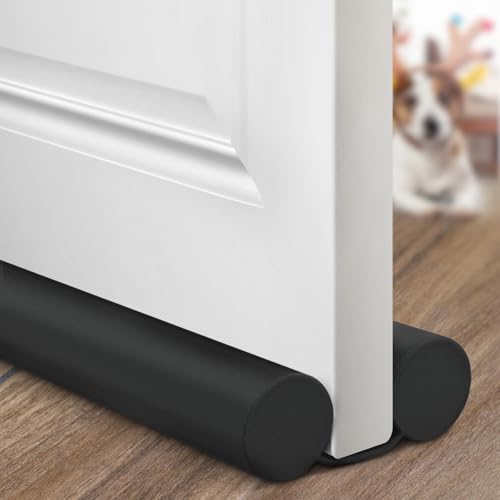
- Measure gaps and openingsCheck for gaps under doors, around stair railings, and between stair treads and walls. Measure door widths and the size of gaps to pick the right draft stoppers and sealants.
- Install door draft stoppersAttach adjustable draft stoppers under doors at stair landings. Clean the floor and door bottom before installation for secure attachment.
- Seal cracks and gapsUse weatherstripping or caulk to seal cracks between stair treads, walls, and floors. Focus on edges where cold air can enter or escape.
- Add thermal curtains or barriersHang heavy curtains or thermal panels along open stair railings or between floors to reduce air movement. Keep them closed when heating the home.
- Check basement and crawl space insulationInsulate any exposed floors or walls under the stairs to prevent cold air from rising through gaps and cracks.
Understanding the Causes of Cold Air in Staircases
Cold air moves down staircases because of temperature stratification and air leaks. Warm air rises and escapes upstairs, drawing cold air down the open stairwell like a chimney. This is why some try cooling the stairwell to cool adjacent rooms, but it often makes the problem worse by increasing cold air flow down the stairs.
Temperature stratification happens when warm air collects near the ceiling and cold air sinks. In a home with an open staircase, this creates a vertical path for cold air to flow down from upper floors. The stairwell becomes a channel for cold air to replace the warm air lost upstairs.
Thermal bridging also plays a role. It occurs where materials like wood or metal conduct heat poorly, allowing cold from outside or unheated spaces to pass through walls or floors near the staircase. This lowers surface temperatures and cools the air around the stairwell.
Air leaks make cold drafts worse. Gaps around floorboards, vents, and stair edges let cold air enter the home or move between floors. Cold air coming from vents in winter often signals leaks in ductwork or poorly sealed registers. Similarly, cold air through floorboards can come from gaps between boards or uninsulated crawl spaces below.
HVAC systems influence air movement near staircases. Forced-air heating pushes warm air through vents, but if return vents are near the staircase, they can pull warm air away from the room and draw cold air down the stairwell. This can cause cold drafts near vents or floor registers.
Heating system design matters. If the system vents warm air only on the lower floors but returns air upstairs, it can increase airflow down the stairs, pulling cold air in. Properly balancing supply and return vents and sealing ducts reduces this effect.
Cold air coming from floorboards is often linked to leaks under the floor or poor insulation. Sealing gaps and adding insulation beneath the stairs or flooring helps reduce cold air entry and thermal bridging.
Cold air from vents in winter is usually due to duct leaks or unsealed registers. Inspecting and sealing ductwork and ensuring vents fit tightly prevents cold air from entering the room through the HVAC system.
The idea of cooling the stairwell to cool adjacent rooms is counterproductive. Cooling the stairwell lowers the air temperature there, increasing the density of the air and causing it to sink faster, bringing more cold air down the staircase and making rooms feel colder.
Understanding these causes helps target the right fixes: sealing air leaks, insulating thermal bridges, and adjusting HVAC airflow all reduce cold air movement down staircases.
Quick Fixes for Drafty Staircases
Cold air rushing down your staircase can chill your whole home fast. Start with easy, quick fixes that block drafts right away without major work.
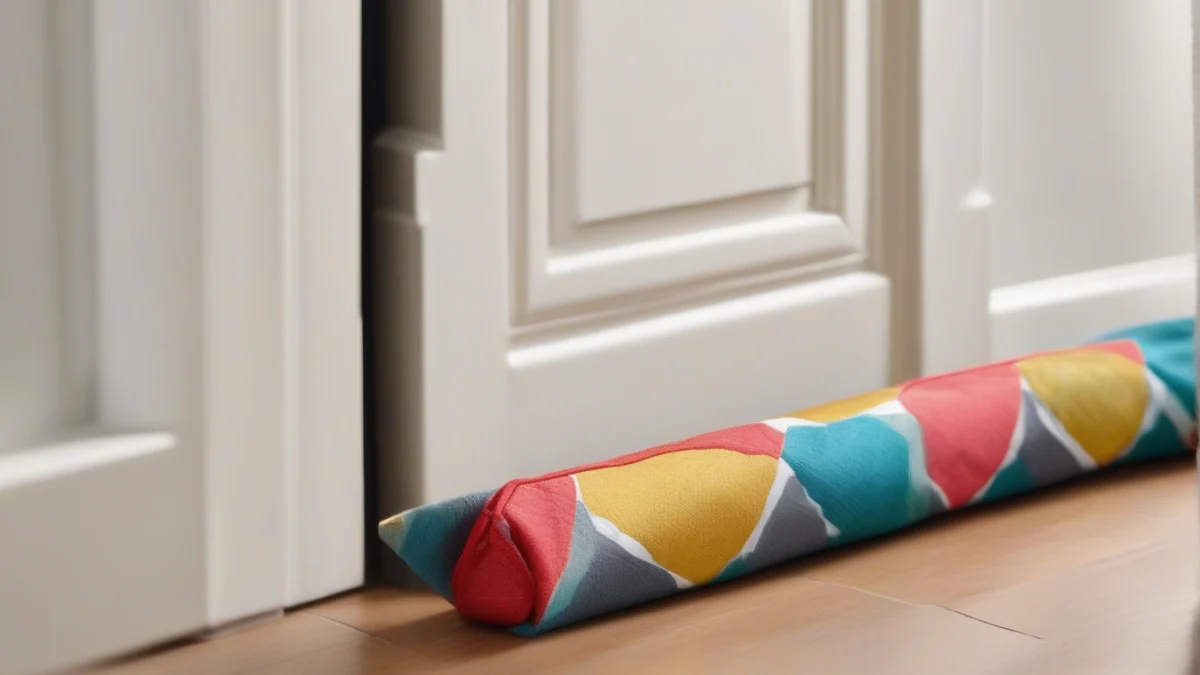
- Install a Draft Excluder for StairsA draft excluder seals the gap at the bottom of stair doors or between stair treads and walls. The Holikme Door Draft Stopper works well for this because it adjusts to fit most gaps and stays in place with hook-and-loop fasteners. It blocks cold air, dust, and pests while moving smoothly with the door.
- Use Thermal Curtains on Staircase OpeningsHang thermal curtains over stair openings or doorways leading to stairs. These curtains have insulating layers that slow cold air from flowing down. Close them when heating the house and open during warmer parts of the day to balance air flow.
- Seal Gaps with Weatherstripping or CaulkInspect the edges of stair railings, banisters, and walls for cracks or gaps. Apply weatherstripping tape or caulk to seal these leaks. Pay particular attention to spots where wood meets drywall or around baseboards.
- Layer Rugs and Carpets on Stair StepsCover bare stairs with thick rugs or carpet runners. These add insulation by trapping warm air near the stair surface and reduce cold air movement. Secure rugs to prevent slipping and tripping hazards.
Long-Term Solutions for Insulating Staircases
Insulating the stairwell cavity and enclosing the staircase are the most effective long-term methods to stop cold air from coming down stairs. Filling gaps and adding insulation inside the stairwell shaft slows cold air movement and reduces heat loss through the open space.

Start by sealing and insulating the cavity behind and beneath the staircase. Use rigid foam board or spray foam insulation between framing members to fill voids. Cover exposed framing with drywall or plywood to create an enclosed, insulated barrier. This enclosure traps warm air and blocks drafts, cutting the stack effect that pulls cold air down.
Upgrading the staircase structure itself improves insulation. Solid risers instead of open ones prevent air flow between floors. Closing open stringers with trim or paneling reduces gaps where cold air seeps. If rebuilding, choose materials with insulating properties like wood or insulated metal. Adding carpet and underlayment also helps retain warmth on stair treads.
Installing glass or acrylic barriers on the open sides of staircases limits airflow while maintaining visibility. Tempered glass panels or clear acrylic sheets act as windbreaks, stopping drafts without darkening the space. These panels attach to the handrail or stringers with brackets or channels. They require professional installation to ensure safety and proper sealing.
Glass barriers offer extra benefits beyond insulation. They reduce noise transfer between floors and prevent dust and debris from falling through open stairwells. Acrylic is lighter and less expensive but scratches easier than glass. Both materials are easy to clean and maintain.
Enclosing the stairwell and adding glass panels work best together. The enclosure traps warm air inside the stairwell cavity. The glass barrier stops cold air from flowing down the open side. Combined, they create a controlled microclimate that keeps upper floors warmer in winter.
When planning these upgrades, consider ventilation needs. A completely sealed stairwell cavity can trap stale air and moisture. Include vents or door gaps to allow some airflow and prevent condensation buildup.
Long-term insulation projects require tools and skills beyond simple DIY. Framing, drywall, and glass panel installation often need professional carpentry and glazing. Hiring experienced contractors ensures the job meets building codes and safety standards.
These upgrades increase your home’s energy efficiency and comfort for years. The upfront cost and effort pay off in lower heating bills and fewer cold drafts. For homeowners committed to reducing winter discomfort, investing in stairwell insulation and barriers is a smart choice.
Adjusting Your Heating System for Better Comfort
Working with your heating system can reduce drafts and improve warmth near your staircase. Adjusting airflow and adding supplemental heat targets cold spots.
Ceiling fans have a simple trick for winter: run them clockwise at low speed. This pushes warm air trapped near the ceiling down into the living space without creating a cooling breeze. Use fans in stairwells or nearby rooms to help circulate heat effectively.
Space heaters placed strategically can supplement your main system in drafty areas. Place them near the base of the staircase or in rooms where cold air collects. Choose models with tip-over and overheat protection, and plug them directly into wall outlets, never extension cords. Limit use to occupied rooms to save energy and avoid safety risks.
Zoning your heating system or adjusting vent registers improves airflow balance. Close or partially close vents in warmer rooms to send more air to cooler areas like stairwells. If you have a multi-zone system, set the thermostat to maintain consistent temperatures on each floor. Ensure vents near the staircase are unobstructed to allow warm air to rise naturally.
- Set ceiling fans to clockwise lowUse a wall switch or remote to reverse the fan direction and run it slowly to push warm air down.
- Position space heaters near cold spotsPlace heaters safely on level floors away from flammable materials, focusing on stair bases or drafty rooms.
- Adjust vent registersPartially close vents in warm rooms and open vents fully near the staircase to balance heating.
| Appliance | Watts | Per hour | Per day (8 h) | Per month (30 days) |
|---|---|---|---|---|
| 1,500 W space heater | 1,500 W | 26¢ | $2.04 | $61.20 |
| Ceiling fan | 60 W | 1.0¢ | 8.2¢ | $2.45 |
