
Cold spots in your home can make it uncomfortable, especially during winter. Understanding how to redirect warm air is key to achieving a uniform temperature in all rooms.
How to Redirect Warm Air to Cold Spots in Your Home
Cold spots in a house often occur when warm air does not circulate evenly, leaving some rooms or floors noticeably cooler. You can fix cold spots by adjusting vents, using fans to move air, and checking your HVAC system for blockages or imbalances.
Cold spots away from windows or doors usually result from poor airflow, blocked vents, or insulation gaps that let heat escape. These spots may also appear when warm air rises and stays near the ceiling, leaving lower areas cold.
- Check and Adjust Air VentsMake sure all supply vents in the room are open and unobstructed by furniture. Partially close vents in warmer rooms to force more warm air toward colder areas.
- Use Fans to Circulate Warm AirPlace ceiling fans on a low setting to push warm air down from the ceiling. Portable fans can help move air from warm rooms into colder ones through doorways or open vents.
- Inspect and Clean HVAC Filters and DuctsDirty filters or blocked ducts reduce warm air flow. Replace or clean filters regularly and consider professional duct cleaning if airflow is weak in certain rooms.
- Check for Insulation and DraftsCold spots often come from heat loss through walls or floors. Inspect insulation and seal drafts at baseboards, electrical outlets, and around plumbing with weatherstripping or caulk.
- Balance Your HVAC SystemAdjust dampers in the ductwork if accessible to direct more warm air to cold rooms. If unsure how to do this, a professional HVAC technician can measure airflow and rebalance your system.
If cold spots persist after these steps, or if you notice uneven heating despite open vents and clean ducts, it may indicate a larger problem like duct leaks, improper system sizing, or failing components. In these cases, contact a licensed HVAC professional to diagnose and fix the issue.
Redirecting warm air requires ensuring unobstructed airflow and balancing the distribution through vents and fans. These actions address the main causes of cold spots in house rooms and floors, especially those away from windows or doors.
For more on finding hidden airflow issues and drafts that cause cold spots, see How to Find Hidden Drafts and Cracks in Your Home and How to Find Cold Air Drafts in Your Home.
Common Causes of Cold Spots in Your Home
Cold spots often form because warm air from your heating system does not reach every part of your home evenly. The first cause is poor airflow balancing, which means the warm air is not distributed properly through the ductwork or vents. Some rooms get plenty of heat, while others receive little.
Vents cause cold spots when they are blocked, closed, or poorly positioned. A vent partially covered by furniture or curtains restricts airflow. Closed vents stop warm air from entering a room altogether. Uneven vent settings can send more heat to some rooms and less to others, creating temperature differences.
Finding cold spots in your house requires a simple check of room temperatures. Use a thermometer or your hand to feel for cooler areas near windows, doors, or floors. Cold spots often appear where warm air does not circulate well or where drafts enter. You can learn more methods to locate cold drafts and spots in the linked guide on how to find cold spots in your home with simple tricks.
Thermal bypass is another common cause. It happens when warm air escapes through gaps, cracks, or poorly insulated areas before reaching the intended room. For example, warm air can leak into an attic or crawl space if these areas are not sealed. This loss reduces the heat available in living spaces and causes noticeable cold spots.
Poor insulation and air leaks often work together with thermal bypass to worsen cold spots. Cold air can enter the home through unseen cracks, mixing with the warm air and cooling it down. Drafts near windows, doors, or electrical outlets pull warm air away and lower room temperatures.
Balancing your HVAC system can fix poor airflow. This involves adjusting dampers in the ducts or the vents themselves to send more warm air to colder rooms. Sometimes adding booster fans in ductwork or using portable fans to circulate warm air can help. These steps improve heat distribution and reduce cold spots.
Immediate Solutions for Redirecting Warm Air
Start by adjusting your HVAC vents to control where warm air flows. Closing vents in warmer rooms forces more heat toward cold spots, but do not close more than 20 percent of your vents to avoid strain on the system. Open vents fully in rooms that feel cold to increase airflow.
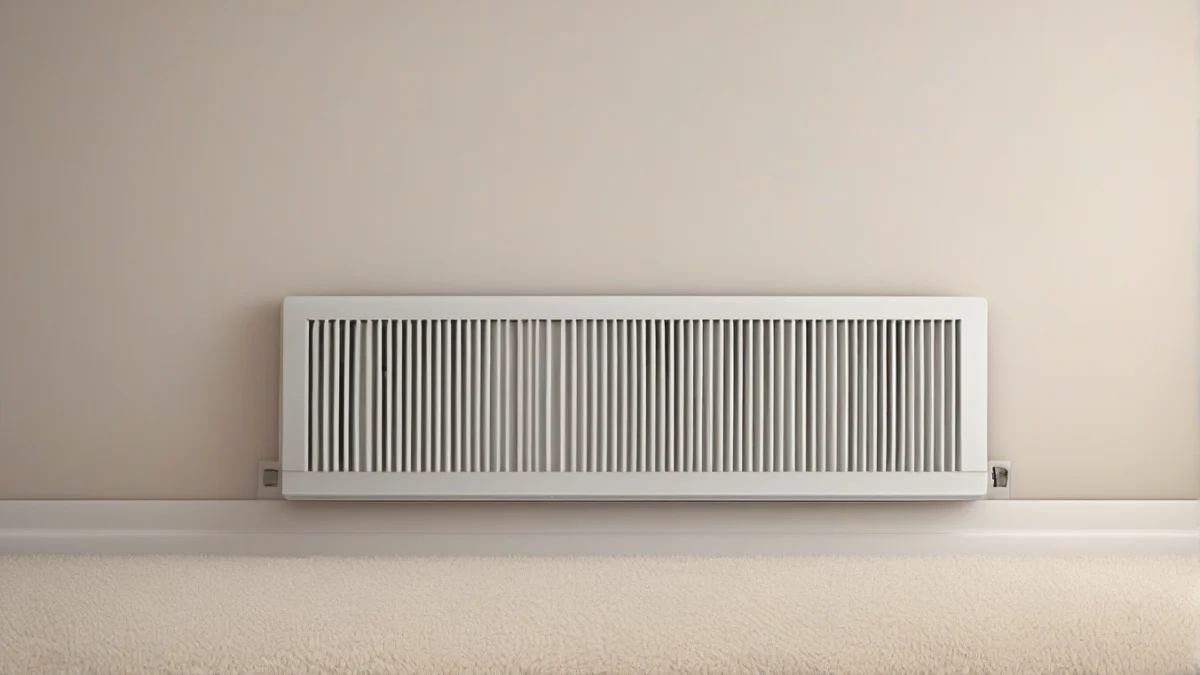
- Adjust VentsPartially close vents in rooms that are too warm to redirect air to colder areas. Check if the cold spot warms up after 30 minutes.
- Use Ceiling Fans in ReverseSet ceiling fans to run clockwise at low speed in winter. This pushes warm air trapped near the ceiling down into the room without creating a cooling breeze.
- Position Portable Heaters SafelyPlace portable electric heaters near cold spots, such as a chilly home office or bedroom corner. Use units with tip-over and overheat protection. Never leave them unattended or run while sleeping unless rated for that use.
Portable heaters can quickly warm a cold bedroom or home office. Choose a model with adjustable heat settings and a thermostat to prevent overheating. Keep the heater at least 3 feet away from furniture and curtains.
- Simple vent adjustments improve airflow without extra equipment.
- Ceiling fans reuse existing heat efficiently.
- Portable heaters provide immediate warmth to cold spots.
- Closing too many vents can damage HVAC system.
- Ceiling fans need to be set correctly to avoid cooling effect.
- Portable heaters increase electricity use and need careful monitoring.
If a cold spot persists despite vent adjustments and fans, check for blocked or dirty vents. Clear obstructions and vacuum vent covers to improve airflow. Also, make sure doors to cold rooms are open to allow warm air circulation.
For a cold bedroom home office, supplement central heating with a small ceramic or oil-filled portable heater. These models maintain steady warmth and are quieter for work environments. Position the heater on a flat surface away from foot traffic.
Remember, portable heaters should plug directly into a wall outlet, not an extension cord or power strip. Follow manufacturer instructions for placement and safety features to avoid fire hazards.
Advanced Techniques for Better Airflow
Warm air naturally rises, leaving lower parts of your home cooler. To stop this, you need to move warm air horizontally and downward. This balances temperature and cuts cold spots.
One effective tool is a duct booster. This is a small fan installed inside your heating ducts. It pushes heated air farther into rooms where the main system’s airflow is weak. Duct boosters are powered by electricity and usually include a thermostat to activate only when heating runs.
In-line fans are similar but are installed directly in the duct line, often in basements or crawl spaces. They increase airflow through long or obstructed duct runs. Both duct boosters and in-line fans improve heat delivery in distant or blocked rooms.
Adjustable register vents let you fine-tune airflow in individual rooms. These vents have built-in dampers that you open or close by turning a knob or lever. Closing vents slightly in warm rooms and opening them wider in cold rooms redirects warm air to where it’s needed most.
Keep at least one vent open per room to maintain proper air pressure and avoid strain on your HVAC blower. Avoid fully closing vents, which can reduce system efficiency and cause damage.
- Install a Duct BoosterChoose a duct booster sized for your duct diameter. Have it installed near the cold spot’s duct branch. Set the thermostat on the booster to activate only when heating is on.
- Use an In-Line FanSelect an in-line fan rated for your duct size and airflow needs. Place it in the main duct run feeding distant rooms. Ensure it’s wired to run with the heating cycle.
- Adjust Register VentsTurn vents in warm rooms partially closed. Open vents fully in cold rooms. Check air pressure and comfort after adjustments.
Long-Term Solutions for Balancing Airflow
Cold spots often appear in bedrooms because warm air struggles to reach upper floors or rooms far from the furnace. Living rooms usually get hotter since they are closer to heat sources or vents with stronger airflow. This imbalance leaves bedrooms chilly while main living areas stay warm.
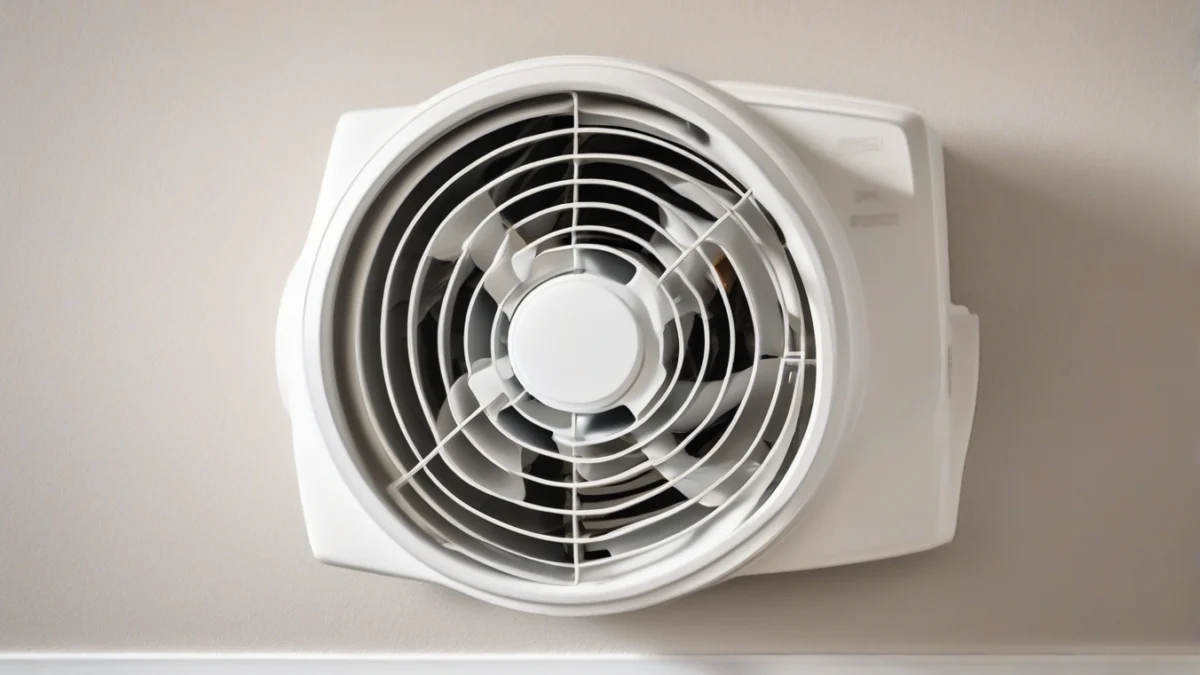
Manual balancing dampers installed in ductwork let you adjust airflow to each room. Turning the damper partially closed reduces heat to the living room, sending more warm air upstairs to bedrooms. Balancing dampers require access inside ducts and a careful approach—closing too much restricts airflow and can damage the system.
- Locate the main duct branchesFind the ducts that lead to rooms with cold spots and warm spots.
- Install manual dampersAdd dampers in the ducts feeding overheated rooms and bedrooms that stay cold.
- Adjust damper positionsClose dampers slightly on ducts to warm rooms and open more on ducts to cold rooms.
- Test airflow and temperaturesRun the system and measure room temperatures, adjusting dampers until even warmth is achieved.
Zoning systems divide a home into heating zones controlled by separate thermostats and motorized dampers. This setup directs warm air only where needed, keeping bedrooms comfortable without overheating living rooms. Zoning is ideal for multi-story homes or houses with widely separated rooms.
Zoning systems require professional installation since they involve wiring thermostats and motors into your ductwork. They add upfront cost but improve comfort and can reduce heating bills by avoiding wasted heat in unused areas.
Maintaining Consistent Warm Air Flow
Consistent warm air depends on a clean, well-maintained heating system. Dirty air filters block airflow, forcing your furnace to work harder and reducing heat delivered to rooms.
- Change filters regularlyReplace or clean your HVAC filters every 1 to 3 months depending on usage and filter type.
- Schedule seasonal duct inspectionsCheck ducts for leaks, disconnected joints, or crushed sections that lose heat or block airflow.
- Arrange professional tune-upsHave a heating technician inspect and service your furnace annually to keep it running efficiently.
Hidden drafts and cracks let cold air enter and warm air escape, worsening cold spots. Common places include around windows, doors, attic hatches, and electrical outlets.
Regular maintenance and sealing leaks work together. Clean filters and sealed ducts deliver warm air efficiently, while fixing drafts prevents heat loss. This combination helps maintain even temperatures throughout your home.
Frequently Asked Questions
What causes cold spots in my home?
How can I find cold spots on walls?
What should I do if my heater is not reaching all rooms?
How can ceiling fans help with heating?
When should I consider hiring an HVAC professional?
What are the best ways to maintain my heating system?
There is more on why is my upstairs colder than downstairs in a guide of its own.
There is more on solutions for cold areas in a guide of its own.
