
Quartz countertops are a popular choice for their durability and aesthetic appeal, but they are not invulnerable to heat. Understanding how to protect them from heat damage is crucial for maintaining their appearance and functionality.
How to Protect Your Quartz Countertop from Heat Damage
Quartz countertops can tolerate moderate heat but are vulnerable to damage from direct contact with hot pans or cookware. To protect your quartz countertop from heat, always use trivets or heat-resistant pads when placing hot items on the surface.
Quartz is made of natural quartz crystals bound with resin, which limits its ability to withstand sudden high temperatures. Exposure to heat above 300°F (149°C) can cause the resin to discolor, crack, or weaken, leading to permanent damage.
Essential tools for heat protection include silicone trivets, cork pads, and specialized heat-resistant mats designed for countertops. These create a barrier that prevents heat transfer from hot cookware to the quartz surface.
- Place a trivet or heat-resistant pad on the countertop before setting down hot pansAlways have a trivet or pad ready near your stove or oven to make it a habit to use them immediately.
- Avoid placing cookware directly from the oven or stovetop onto the quartzLet pots and pans cool for a few minutes before moving them to the countertop if no protective barrier is available.
- Use cutting boards or other protective surfaces when preparing foodThis prevents heat damage while also guarding against scratches and stains.
- Wipe up spills immediately, especially those from hot oils or saucesHot spills can exacerbate heat damage by causing discoloration or etching.
Understanding Quartz’s Heat Tolerance and Limits
Quartz countertops are engineered surfaces made from about 90 to 95 percent crushed natural quartz mixed with resins and pigments. The resins bind the quartz particles and provide the countertop with its smooth finish and color options.
While quartz is naturally heat resistant, the resins used in manufacturing limit the overall heat tolerance of the countertop. Direct contact with hot pots or pans at temperatures above 150°F to 200°F can cause the resins to soften or discolor. This leads to permanent damage such as burn marks, cracking, or discoloration.
Quartz countertops can handle moderate heat from warm dishes or brief contact with hot items, but prolonged exposure or very high temperatures are unsafe. The resin can also degrade over time if repeatedly exposed to heat, even if no immediate damage appears.
To protect quartz from heat damage, always use heat-resistant barriers like trivets or silicone mats between hot cookware and the countertop. Avoid placing appliances that generate high heat directly on the surface without protection.
Essential Protective Tools for Quartz Countertops
The best heat protection for quartz countertops comes from using physical barriers between hot items and the surface. Trivets, heat-resistant mats, and silicone pads are common tools designed for this purpose.
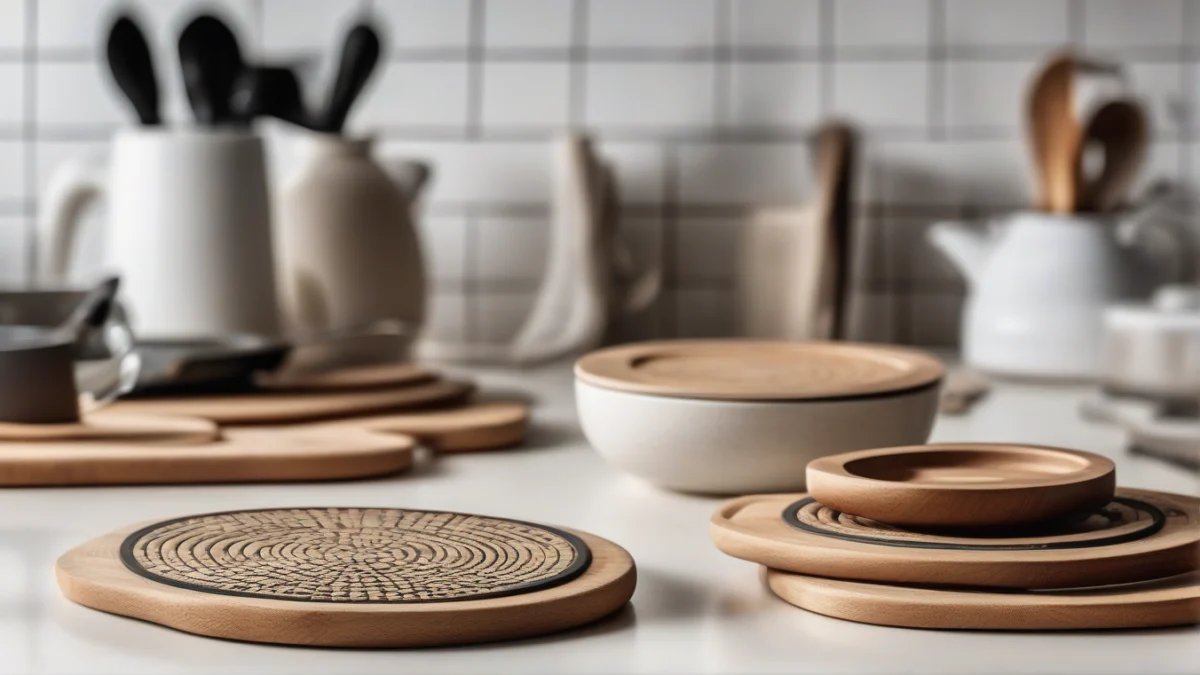
Trivets are sturdy stands, often made from metal, wood, or silicone, that hold hot pots and pans above the surface. They provide stable support and prevent direct heat transfer.
Heat-resistant mats are flat pads made from silicone or other insulating materials. They are flexible and easy to store, making them ideal for everyday use with stove top cookware.
| Tool Type | Material | Best Use | Notes |
|---|---|---|---|
| Trivet | Metal, wood, silicone | Holding hot pots and pans | Choose trivets with non-slip feet to avoid sliding |
| Heat-resistant mat | Silicone, fiberglass | Protecting counters from pans and appliances | Look for mats rated for temperatures above 450°F |
| Silicone pad | Silicone | Flexible protection for small cookware | Easy to clean and store |
Select protectors that clearly state a heat resistance of at least 450°F to handle typical cooking temperatures safely. Avoid using cheap plastic or thin materials that can melt or warp.
For heat protection from stove top cookware, keep a trivet or mat within reach to place hot pans down immediately after cooking. This prevents accidental burns and extends the life of your quartz countertop.
Properly chosen heat protectors are inexpensive and simple to use, making them the most effective way to prevent heat damage in daily kitchen use.
Step-by-Step Guide for Daily Heat Protection
Protecting your quartz countertop from heat damage begins with a simple daily routine. Always use trivets or heat-resistant pads under hot pans, pots, and appliances to create a barrier between the heat source and the surface.

- Use Heat-Resistant Pads or TrivetsPlace these barriers before setting down any hot cookware or appliances like slow cookers or electric griddles. Avoid direct contact with the quartz to prevent thermal shock and discoloration.
- Allow Hot Items to CoolBefore transferring hot items from the stove or oven to the countertop, let them cool for several minutes. Even with protection, sudden temperature changes can stress the quartz and cause damage.
- Protect Against Appliance HeatFor small appliances that generate heat during use, such as toasters or coffee makers, set them on heat-resistant mats or trays. This prevents heat buildup on the quartz surface over time.
- Avoid Placing Hot Pans Directly on the CounterWhen cooking, use stove burners or heat-safe surfaces. If you must rest a pan temporarily, always use a trivet. Never rely on the quartz itself to handle direct heat from cookware.
- Keep Protective Tools AccessibleStore trivets and heat pads near your cooking area to make it easy to use them consistently. Routine use is the best defense against heat damage.
What to Do If Heat Damage Occurs
Heat damage to quartz countertops can appear as discoloration, burn marks, or surface cracks. Immediate action can sometimes reduce further harm.
- Stop Using the AreaRemove all items from the affected spot and avoid placing anything else on it. Stop any heat sources nearby to prevent worsening the damage.
- Allow the Countertop to CoolLet the quartz cool naturally at room temperature. Do not apply cold water or ice as rapid temperature changes can cause cracking.
- Clean GentlyUse a mild dish soap and warm water with a nonabrasive cloth to clean the area. Avoid harsh chemicals or scrubbing pads, which can worsen surface damage.
- Assess the DamageIf the mark is a slight discoloration or dull spot, a professional quartz cleaner or polish may help restore appearance. For deeper burn marks or cracks, professional repair is necessary.
- Contact a ProfessionalDo not attempt to sand, grind, or resurface the quartz yourself. Licensed stone restoration specialists have the tools and expertise to fix heat damage without further harm.
If you want to learn more about repairing heat damage on your countertops, see our detailed guide on how to repair heat damage on your countertops for step-by-step advice and professional options.
Long-Term Maintenance and Common Myths Debunked
Quartz countertops do not need any additional coatings or treatments to make them heat resistant. Their engineered composition already includes resins that bind crushed quartz, providing durability but also limiting heat tolerance.
A common myth is that quartz is completely heatproof. It is not. Direct contact with hot pans or appliances above 300°F can cause discoloration or cracks. Using trivets or heat pads remains essential for long-term protection.
Daily maintenance should focus on gentle cleaning with nonabrasive, pH-balanced cleaners. Avoid harsh chemicals or bleach, which can degrade the resin and reduce heat resistance over time.
Long-term care includes promptly wiping spills and avoiding prolonged exposure to heat sources. Never place hot pans directly on the countertop, even if the surface looks unaffected after brief contact.
Routine inspection helps catch early signs of heat damage. Small cracks or dull spots can be addressed quickly by professionals to prevent costly repairs.
For those wanting extra peace of mind, heat-resistant counter protectors offer an added layer of defense without altering the quartz. These physical barriers are the safest way to extend the life of your countertop heat resistance.
If you want to explore options for protecting your counters from heat while cooking, see our guide on heat-resistant counter protectors that save your kitchen.
