
When central heating is unavailable, staying warm can feel challenging. Fortunately, there are effective ways to heat a room that don’t rely on a full heating system.
7 Smart Ways to Heat a Room Without Central Heating
Heat a room without central heating by using portable heaters sized for the space and combining them with passive heat retention methods. Dorm rooms that forbid heaters rely on body heat, layered clothing, and thermal curtains, while living rooms benefit from efficient electric heaters and sealing drafts.
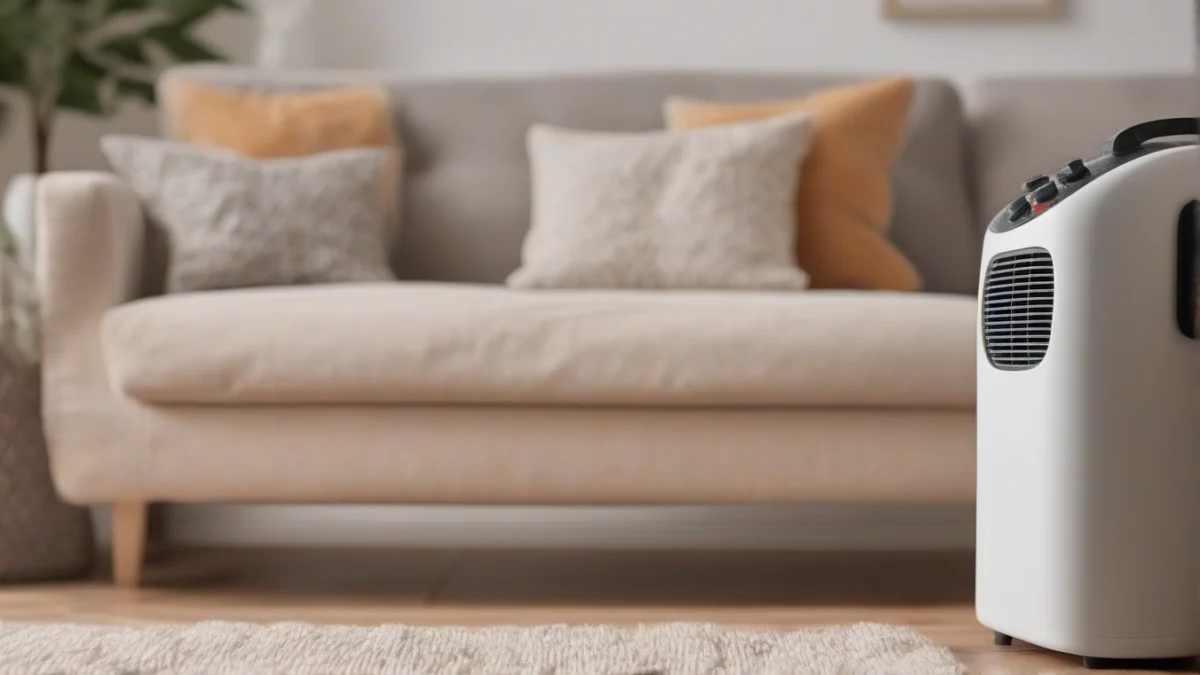
Portable electric heaters are the fastest way to add warmth. Choose a heater rated for your room size—typically 1,500 watts for up to 150 square feet. Larger rooms need multiple units or a more powerful option like a ductless mini-split system. For dorms where heaters are banned, wear insulated clothing and use heated blankets instead.
- Pick a Portable Heater That Fits Your RoomMeasure your room’s square footage. Use a heater rated for that size, usually 10 watts per square foot. For example, a 150 sq ft room needs a 1,500 W heater. Look for models with tip-over and overheat protection and a thermostat for precise control.
- Use Passive Heating TechniquesInstall thick thermal curtains to block heat loss through windows, reducing it by up to 25%. Seal drafts around doors and windows with weatherstripping or draft stoppers. Layer rugs on bare floors to prevent up to 10% heat loss.
- Employ DIY Solutions for Immediate WarmthGroup several candles under a terracotta pot to create a safe radiant heat source. Each candle produces about 80 watts of heat, but use this method cautiously due to fire risk. Alternatively, leave your oven door slightly open after baking to circulate residual heat, but never use the oven as a primary heat source.
- Wear Warm Clothing and Use Heated BlanketsIn spaces where heaters are not allowed, add layers and use electric blankets that consume far less electricity than space heaters. Choose blankets with auto shut-off features for safety.
- Circulate Warm Air EfficientlySet ceiling fans to spin clockwise on low speed to push warm air down from the ceiling. This simple step redistributes heat without extra energy use.

| Method | Heat Output | Safety Notes |
|---|---|---|
| Portable electric heater | Up to 1,500 W per unit | Use models with tip-over and overheat protection; keep clear space |
| Candles under terracotta pot | About 80 W per candle | Fire risk increases with number; monitor closely |
| Warm clothing and heated blankets | Minimal electric use; body heat | Follow blanket auto shut-off; do not fold while on |
| Passive insulation (curtains, draft stoppers) | No direct heat; reduces loss by up to 25% | No safety concerns |
| Ceiling fan reverse mode | No heat generated; redistributes warm air | Ensure fan is set correctly to avoid chilling |
Understanding Safety When Heating Without Central Systems
Infrared heaters are often more efficient than other portable options because they warm objects and people directly rather than heating the air. This can save energy in drafty rooms or short heating sessions. However, they still require careful placement and safety measures.
The safest way to heat without a conventional central system is to use electric space heaters that have built-in safety features like tip-over protection, overheat shutoff, and UL or ETL certification. These devices pose less risk than fuel-burning heaters indoors.
Fuel-burning heaters—such as propane, kerosene, or diesel models—pose a significant risk of carbon monoxide poisoning if not used properly. Only use indoor-rated models in well-ventilated spaces and always have a working carbon monoxide alarm nearby.
- Check Heater CertificationConfirm your heater has a UL, ETL, or CSA safety certification to ensure it meets safety standards.
- Maintain ClearanceKeep space heaters at least 3 feet away from curtains, furniture, bedding, and other combustibles.
- Use Proper OutletsPlug electric heaters directly into a wall outlet, avoiding extension cords or power strips, which can overheat.
- Install Carbon Monoxide AlarmsIf using fuel-burning heaters indoors, place CO alarms near sleeping areas and test them regularly.
- Never Leave Heaters UnattendedTurn off all portable heaters when you leave the room or go to sleep unless the model is designed for continuous unattended use.
How to Maximize Heat Retention with Passive Techniques
After turning off central heating, a room cools quickly if heat escapes through drafts and uninsulated surfaces. Passive techniques help trap the remaining warmth for longer periods.
Clay pot heaters can radiate heat when warmed by candles or other sources, but they carry fire risks if left unattended or placed near flammable materials. Use them cautiously and never leave them running unattended.
- Block Drafts with StoppersInstall draft stoppers at the base of doors and windows to prevent cold air from entering and warm air from escaping.
- Seal Windows with WeatherstrippingApply weatherstripping tape or foam gaskets around window frames to close gaps that leak heat.
- Use Thermal CurtainsHang thick, lined curtains to reduce heat loss through windows by up to 25%. Close them as soon as the sun sets to keep warmth inside.
Combining these passive methods can extend the warmth in a room by reducing heat loss, making your heating efforts more effective and lowering energy costs.
For more on sealing drafts and selecting the best draft stoppers or weatherstripping, see draft stoppers and weatherstripping.
DIY Solutions for Immediate Heating
Heating a large room efficiently without central heating starts with moving warm air where it collects. Reverse your ceiling fan to spin clockwise on low. This pushes warm air trapped near the ceiling back down into the room, improving comfort without extra energy.
Running electronics like TVs or computers adds some heat, but not enough to warm a large room significantly. Their waste heat is minor compared to dedicated heaters. Use this effect as a small bonus, not a primary heat source.
- Reverse Ceiling Fan DirectionSet the fan to spin clockwise on the lowest speed. This directs warm air down from the ceiling, mixing it with room air.
- Install Insulated Window InsertsCut rigid foam boards or buy clear plastic inserts sized to fit your windows. Seal edges with weatherstripping or tape to reduce heat loss through glass.
- Use the Towel Trick for Drafty DoorsRoll up a thick towel and place it along the bottom edge of doors to block cold drafts. This simple barrier stops cold air from entering and warm air from escaping.
Cost-Effective Heating Solutions and Their Efficiency
Electric blankets are safe for continuous use when they have an auto shut-off feature and are used according to the manufacturer’s instructions. They consume about 100 watts, much less than a typical 1,500-watt space heater.
Space heaters cost more to run but heat entire rooms, while electric blankets warm just your body. For spot heating while sitting or sleeping, electric blankets are more efficient and cheaper to operate.
Ductless mini-split systems cost more upfront but provide efficient heating and cooling year-round. They use heat pump technology that can deliver 3 to 4 times more heat energy than the electricity they consume, making them cost-effective long term.
| Appliance | Watts | Per hour | Per day (8 h) | Per month (30 days) |
|---|---|---|---|---|
| 1,500 W space heater | 1,500 W | 26¢ | $2.04 | $61.20 |
| Heated blanket | 100 W | 1.7¢ | 14¢ | $4.08 |
Upgrading insulation reduces heat loss and lowers heating bills. Spending on weatherstripping, insulated curtains and foam gaskets can cut monthly heating costs noticeably. These savings add up over years, offsetting the initial investment.
Calculate operational costs by multiplying watts divided by 1,000, times hours used, times days, times electricity price per kWh. For example, a 1,500-watt heater running 8 hours daily at 17 cents per kWh costs about $20.40 per month.
For long-term savings and efficiency, combine insulation improvements with efficient heating like mini-splits or electric blankets. This approach reduces energy use and improves comfort all winter.
