
You’ve found yourself in a room without central heating. Maybe it’s a converted attic, a home office in the garage, or a rental where the main system just doesn’t reach. The chill sets in, and you need a solution. The good news? You have more options than you might think.
Heating a single room effectively is about smart strategy, not just brute force. It combines the right heat source with intelligent heat retention. Your goal is to create a warm, efficient, and safe micro-climate. Let’s explore how you can transform that cold space into a cozy retreat.
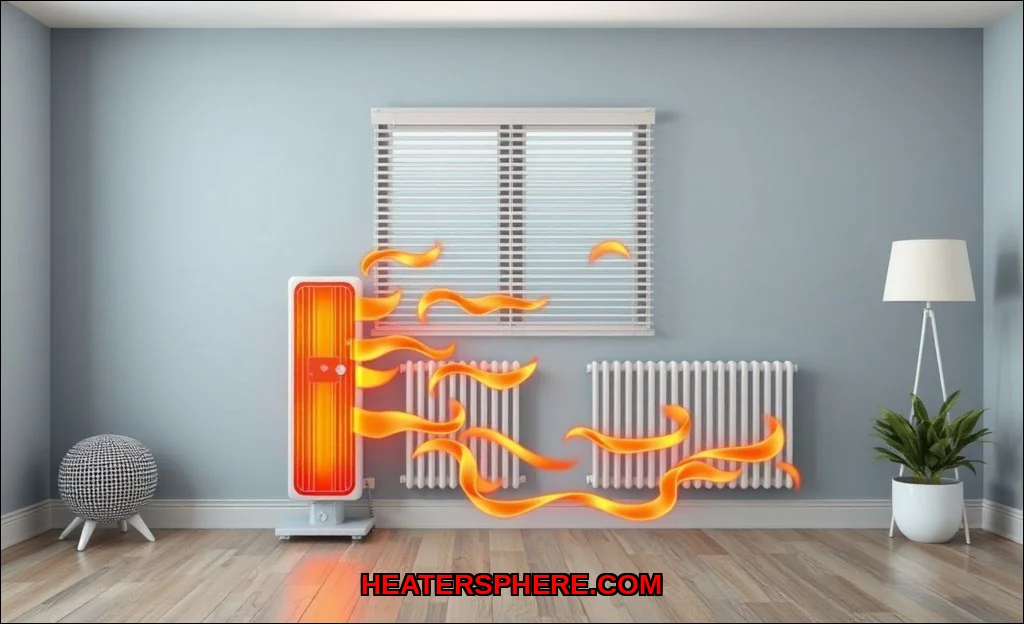
Understanding Your Heating Options
Before you plug anything in, consider your needs. Is this a temporary heating fix for a particularly cold snap, or a longer-term solution for a room without radiator? Your approach will differ. The core principle is often supplemental heatingtargeting warmth where and when you need it most, rather than trying to heat an entire home. For the detail, see our notes on heating a cold tv room.
Modern heating alternatives are surprisingly effective. From portable units to fixed panels, the key is matching the technology to the room’s size, layout, and your routine. A common and highly effective starting point is a quality space heater. For instance, a model like the DREO Space Heater offers a blend of fan-forced and radiant heat with safety features like tip-over protection, making it a solid contender for quickly taking the edge off a chilly room.
Portable & Electric Heating Solutions
This is your most direct path to warmth. Electric heaters convert nearly all their energy into heat, making them efficient at the point of use. But not all heaters work the same way.
Types of Portable Heaters
Choosing the right type depends on how you use the room.
- Oil-Filled Radiators: These work like traditional radiators, heating oil inside sealed columns. They provide steady, silent convection heat that lingers even after they’re off. Ideal for longer periods, like heating a bedroom overnight.
- Fan Heaters: They blow air over a hot element, warming a room quickly. Great for a fast burst of heat but can be noisy and dry the air.
- Ceramic Heaters: A quieter, often safer subtype of fan heater. The ceramic element cools faster, reducing burn risk.
- Radiant Heaters: These emit infrared rays that warm objects and people directly in their line of sight, not the air. Think of the sun’s warmth. A radiant heater is perfect for spot-heating where you sit or work.
For a deeper dive into choosing and using these appliances, our guide on how to make a cold room warmer without central heating breaks down the pros and cons of each type.
Fixed Electric Alternatives
If you own the space and want a permanent-looking solution without pipes, consider infrared panels. These slim units mount on walls or ceilings, providing silent, draft-free radiant heat. They’re efficient for heating the person and objects directly, and they pair well with a smart thermostat for precise control.
Improving Room Insulation & Heat Retention
Heating a room is one battle; keeping that heat in is another. Poor thermal efficiency means your heater works overtime, costing you money. Draft proofing and improving heat retention are your most cost-effective moves.
Seal the Leaks
Cold air sneaks in through the smallest gaps. Your mission: find and block them.
- Feel for drafts around windows, doors, and even electrical outlets.
- Apply weatherstripping to door and window frames.
- Use a draft excluder (a simple fabric tube) at the bottom of doors.
- Consider heavier thermal curtains. Drawing them at night creates an insulating air pocket, dramatically reducing heat loss. This is especially critical for rooms with huge windows where retaining heat is a challenge.
Boost Your Room’s Thermal Mass
Materials like brick, stone, or tile absorb heat during the day and release it slowly at night. While you can’t change your walls, adding a thick rug on a cold floor or using furniture with substance can help stabilize the temperature. If that sounds like your room, read up on solutions for cold home offices next.
Alternative & Low-Cost Warming Methods
Sometimes, the cheapest way to heat a room without central heating is to focus on personal comfort. The strategy of heat the person, not the room, is remarkably effective.
Personal Warming Gear
- Electric Blankets & Heated Throws: These are incredibly energy-efficient. Snuggle under one while reading or watching TV, and you can often keep the room temperature several degrees lower.
- The Classic Hot Water Bottle: A timeless, zero-electricity solution. Perfect for pre-warming a bed or holding on your lap.
- Layered Clothing: It sounds obvious, but a thermal base layer, thick socks, and a sweater are your first line of defense.
The Humidity Factor
Dry air feels colder. Adding moisture can make a room feel warmer at a lower temperature. Use a humidifier, or simply place a bowl of water near your heat source (not a safety hazard with radiant or oil heaters). It’s a subtle but perceptible tweak.
Safety, Efficiency & Cost Considerations
Warmth should never come at the expense of safety. Following portable heater safety rules is non-negotiable.
Essential Safety Rules
- Keep it clear: Maintain a 3-foot “kid-and-pet-free” zone around heaters.
- Plug directly: Never use an extension cord or power strip with a space heater.
- Turn it off: Always switch off and unplug when leaving the room or going to sleep (unless it’s a type designed for overnight use, like an oil radiator).
- Smoke alarms: Ensure they are working. Carbon monoxide detectors are also wise if using any fuel-burning appliance.
Smart Controls for Smarter Heating
Don’t just set it and forget it. Using a programmable timer or a smart plug with your heater lets you automate warmth. Program it to turn on 30 minutes before you wake up or get home from work. This avoids wasting energy heating an empty room and is a core tactic for how to keep one room warm in winter efficiently.
For comprehensive, unbiased advice on energy-efficient heating, the Energy Saving Trust’s guide to heating your home is an excellent external resource.
Cost Comparison at a Glance
| Method | Best For | Relative Cost to Run | Key Consideration |
|---|---|---|---|
| Oil-Filled Radiator | Long-duration, whole-room heat | Medium | Slow to warm up, but heat lingers |
| Fan Heater | Rapid, short-term warmth | High (if used constantly) | Can be noisy, dries air |
| Radiant/Infrared Heater | Spot-heating a person | Low to Medium | Inefficient for heating entire air volume |
| Electric Blanket | Personal comfort in bed/chairs | Very Low | Extremely efficient for direct warmth |
| Improved Insulation | Reducing all heating costs | Costs to install, saves long-term | One-time effort with ongoing benefits |
Costs vary greatly by local electricity rates and usage patterns. This is a general comparison.
Heating a room without central heating is entirely manageable. Start by defining your needquick boost or all-day comfort. Invest in a suitable heater, but immediately pair it with serious draft-stopping and insulation efforts. Never underestimate the power of personal warming gear like electric blankets. Most importantly, make safety your top priority with every device you use. By layering these strategies, you can create a warm, efficient, and safe space no matter what the weather does outside. Your cozy room awaits.
