
Working in a north-facing home office presents a unique set of challenges. You’re dealing with limited natural light and, more critically, a significant lack of solar heat gain. This makes the room feel perpetually cooler than the rest of your house, impacting both your comfort and your productivity. A cold room isn’t just uncomfortable; it can make you less focused and more prone to distractions.
Thankfully, you don’t have to resign yourself to wearing fingerless gloves at your desk. With a strategic approach combining immediate heating, smart insulation, and energy-conscious habits, you can transform your chilly workspace into a warm, efficient, and productive zone. For a quick, effective solution, many remote workers find a compact, focused heater like the DREO Space Heater to be a game-changer, offering targeted warmth right where you need it.
The Core Challenge of a North-Facing Room
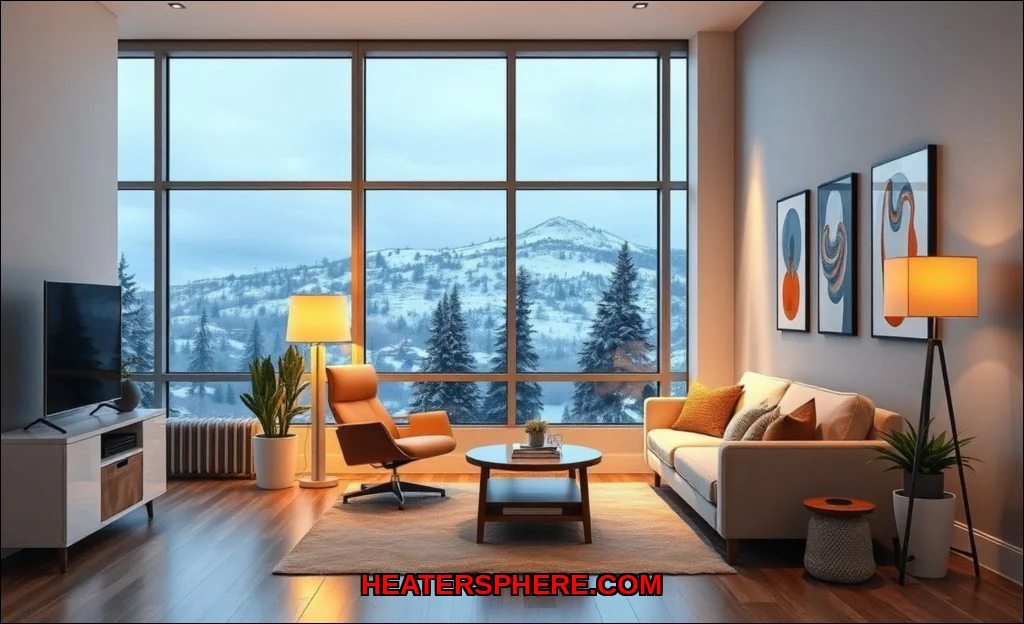
Why is your north-facing office so much colder? The primary culprit is the sun’s path. In the Northern Hemisphere, the sun arcs across the southern sky. A north-facing room receives only indirect, diffused light and almost no direct sunlight. This means zero passive solar heating. The walls and windows on that side become cold surfaces, creating a constant sink for warmth.
This lack of heat gain is compounded by thermal bridgingwhere structural elements like wall studs or window frames conduct heat from the inside out more quickly than the surrounding insulation. In a north-facing room, this effect is more pronounced. The result is a space that feels drafty and difficult to heat, leading to higher energy bills if you’re trying to warm it with your central system alone. Understanding this is key to choosing the right solutions. For the detail, see our notes on making your tv room cozy.
Immediate & Low-Cost Warming Tactics
Before investing in new equipment, you can make a noticeable difference with simple, low-cost adjustments. These tactics focus on retaining whatever heat you already have and making your personal workspace cozier.
- Seal the Gaps: Draft proofing is your first line of defense. Feel for drafts around windows, doors, and even electrical outlets. Use weatherstripping for windows and doors, and install foam gaskets behind outlet plates. A simple draft excluder placed at the base of the door can block cold air from other parts of the house.
- Upgrade Your Window Dressings: Swap out flimsy blinds for heavy thermal curtains or insulating cellular shades. Keep them closed during the coldest parts of the day and night to create an insulating air barrier. Open them during any sunny period, even if indirect, for a psychological boost.
- Rearrange Your Space: Move your desk away from exterior walls and windows if possible. Sitting directly against a cold wall is a surefire way to feel chilled. Position furniture to create a cozy, enclosed work nook that traps body heat.
- Layer Up (Personally and on Floors): A thick rug on a hard floor adds insulation. And don’t underestimate the power of warm socks and a lap blanketsometimes the simplest cheap heating solutions for a cold office room are the most effective.
Effective Heating Solutions & Equipment
When low-cost fixes aren’t enough, it’s time to look at dedicated heating. For a home office, the goal is efficient, localized warmth. You don’t need to heat the whole house; you just need to heat you.
Choosing the Right Electric Heater
An electric heater is often the most practical choice for a single room. Each type has its strengths for combatting a cold office:
- Oil-Filled Radiators: These work like traditional hydronic radiators. They heat oil internally, which then radiates heat steadily into the room. They are silent, provide consistent warmth, and are excellent for all-day use. The heat lingers even after they’re off.
- Ceramic Heaters: These use a ceramic heating element and a fan to blow warm air. They heat up a space quickly and are generally lightweight and portable. Many come with oscillation features to distribute warmth.
- Radiant Heaters: A radiant heater (like infrared models) warms objects and people directly in its line of sight, similar to sunshine. It doesn’t heat the air, making it incredibly efficient for spot-heating the area immediately around your desk. You feel warm instantly, but the warmth doesn’t spread far.
For a deeper dive into selecting the perfect model, our guide on the best heater for warming a cold home office breaks down the pros and cons of each type in detail.
The Smart Control Advantage
Pairing your heater with a programmable thermostat or a smart plug is a game-changer for efficiency. You can set it to turn on 30 minutes before you start work and shut off when you typically take lunch. This prevents wasting energy heating an empty room and ensures you walk into a comfortable space. It’s a core strategy for managing home office warmth without constant manual adjustment.
Insulation & Long-Term Heat Retention Strategies
Heating a room is one thing; keeping that heat in is another. This is where you combat long-term heat loss and make your efficient heating solutions work even better.
Beyond Draft Stoppers
While a draft excluder helps at the door, consider the bigger picture. Insulating your attic space above the office can have a dramatic effect on the room’s temperature stability. Cold air settles, and a poorly insulated attic sucks warmth right out of your ceiling. If your office is on a top floor, this is a critical consideration. For specific solutions in such spaces, explore our article on the best heater type for attic home offices. Readers in this position usually ask about how to warm a cold l-shaped living room as well.
Addressing Thermal Bridges and Windows
As mentioned, thermal bridging is a major source of heat loss. While full-wall insulation retrofits are intensive, using thermal-hanging blinds or applying insulating window film are effective DIY upgrades. The U.S. Department of Energy has excellent resources on home heating systems and efficiency upgrades that provide a broader context for these improvements.
Balancing Comfort, Cost, and Efficiency
The ultimate goal is a warm workspace that doesn’t break the bank. This balance is the key to sustainable winter workspace comfort.
Productivity is Part of the Equation
Never underestimate the productivity impact of a cold workspace. Studies show that being physically uncomfortable significantly reduces cognitive function and focus. Investing in a comfortable thermal environment isn’t a luxury; it’s a direct investment in your work output and well-being. Solving the north facing room heating puzzle pays dividends beyond just your utility bill.
Creating an Efficient Heating Routine
Your routine matters. Heres a sample strategy for the best way to heat a small north facing home office:
- Pre-heat Smartly: Use a timer or smart plug to turn on a radiant or ceramic heater 20 minutes before you start work.
- Contain the Warmth: Keep the door closed and thermal curtains drawn during your work session to create a sealed, warm micro-environment.
- Layer Heating: Use a small radiant heater under your desk for direct leg warmth, supplemented by an oil-filled radiator for gentle, ambient room heating.
- Shut Down Completely: When you finish work, turn all heaters off at the outlet to eliminate phantom energy drain.
Transforming a north-facing home office from a chilly obligation into a warm haven is completely achievable. It requires a two-pronged approach: first, plug the leaks with diligent draft proofing and insulation to trap heat. Second, choose a targeted, efficient heating methodlike a smartly used electric heaterthat warms you without wasting energy on empty space. By understanding the unique challenges of your room’s orientation and implementing these layered strategies, you’ll conquer the cold. Your focus will improve, your energy bills will feel more controlled, and you’ll finally be able to work in comfort, no matter what the weather is doing outside.