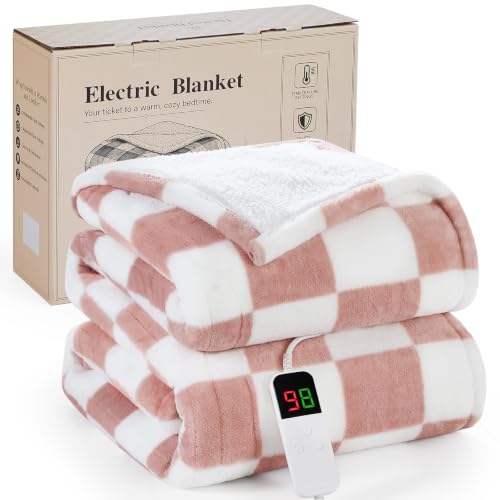
Heated blankets provide warmth and comfort, especially in colder months. However, users often encounter challenges with built-in button controls, which can affect their overall satisfaction.
Understanding Heated Blanket Built-in Button Challenges
Accidental activation is a frequent problem with built-in buttons, especially when the blanket is folded or stored. Pressing buttons unintentionally can drain power or cause unexpected heat. Prevent this by using blankets with buttons that require deliberate presses or have protective covers.

Finding buttons in the dark can be difficult and frustrating. Look for blankets with backlit buttons or tactile markers that help locate controls without turning on lights. Some models have remote controls or smartphone apps, but built-in buttons remain common for convenience.
Limited control over heat settings is another complaint. Some built-in buttons offer only a few preset levels, which may not suit all users. Choosing a blanket with multiple heat settings and timer options improves comfort and energy efficiency.
- Check the power sourceEnsure the blanket is plugged in securely and the outlet works. Faulty power is a common reason a heated blanket stops working.
- Inspect the cord and buttonsLook for visible damage or stuck buttons. Replace the controller or cord if damaged, following manufacturer instructions.
- Reset the blanketUnplug the blanket for a few minutes, then plug it back in. This can reset the control board and fix minor glitches.
- Test all heat settingsCycle through each button setting to confirm the blanket heats properly. If some settings fail, the controller may need repair or replacement.

Common Problems with Built-in Buttons and Solutions
Heated blankets sometimes stop working because of a faulty connection, damaged wiring, or a blown fuse in the controller. Check the power cord and plug for damage first. If the blanket has a reset button, press it. Unplug and plug it back in to see if that restores function. If none of these steps work, the internal wiring or controller may need professional repair or replacement.
Accidental activation happens when buttons press while the blanket folds or stores. This can drain the battery or overheat the blanket. To prevent this, fold the blanket so the buttons face outward or use a protective cover. Some models include a lock feature or button covers to avoid unintended presses.
Finding the built-in buttons in the dark can be difficult. Look for blankets with raised or textured buttons, or those that glow faintly. Attaching a small clip-on light nearby or using a smartphone flashlight can also help.
Limited control over heat settings is common with built-in buttons, which often have only a few fixed levels. If precise temperature adjustment matters, consider blankets with remote controls or smartphone apps. They usually offer finer increments and memory presets.
Comparing Control Options for Heated Blankets
| Control Type | Advantages | Disadvantages |
|---|---|---|
| Built-in Buttons | Always attached, no extra device needed; simple to use | Can be hard to find in the dark; limited heat settings; risk of accidental activation |
| Remote Control | Easier to adjust settings without disturbing the blanket; more heat levels | Can be lost or run out of battery; adds cost |
| Smartphone App | Precise control; programmable schedules; remote access from anywhere | Requires smartphone and app setup; may have connectivity issues |
Remote control heated blankets offer convenience for users who want to adjust heat without getting up or fumbling with buttons. They usually provide multiple heat levels and a display. However, you must keep track of the remote and replace its batteries.
Smartphone app heated blankets allow fine-tuned control and scheduling. You can set the blanket to warm up before bedtime or turn off automatically. Apps may provide diagnostic information and firmware updates.
Built-in buttons suit users who want simplicity and do not need many heat levels. They avoid the hassle of losing remotes or dealing with apps. People who use heated blankets mostly in one spot and prefer manual control often prefer this option.
Remote or app controls benefit those who share blankets or want to customize settings frequently. They also help when the blanket is large or hard to reach. Consider your habits and comfort with technology when choosing your control type.
For more on specific heated blanket models and their controls, see best electric blanket.
Safety Features in Heated Blankets
Overheating is the main safety concern with heated blankets. It can cause burns or start a fire if the blanket lacks proper safeguards. Modern heated blankets include key safety features to prevent this risk.
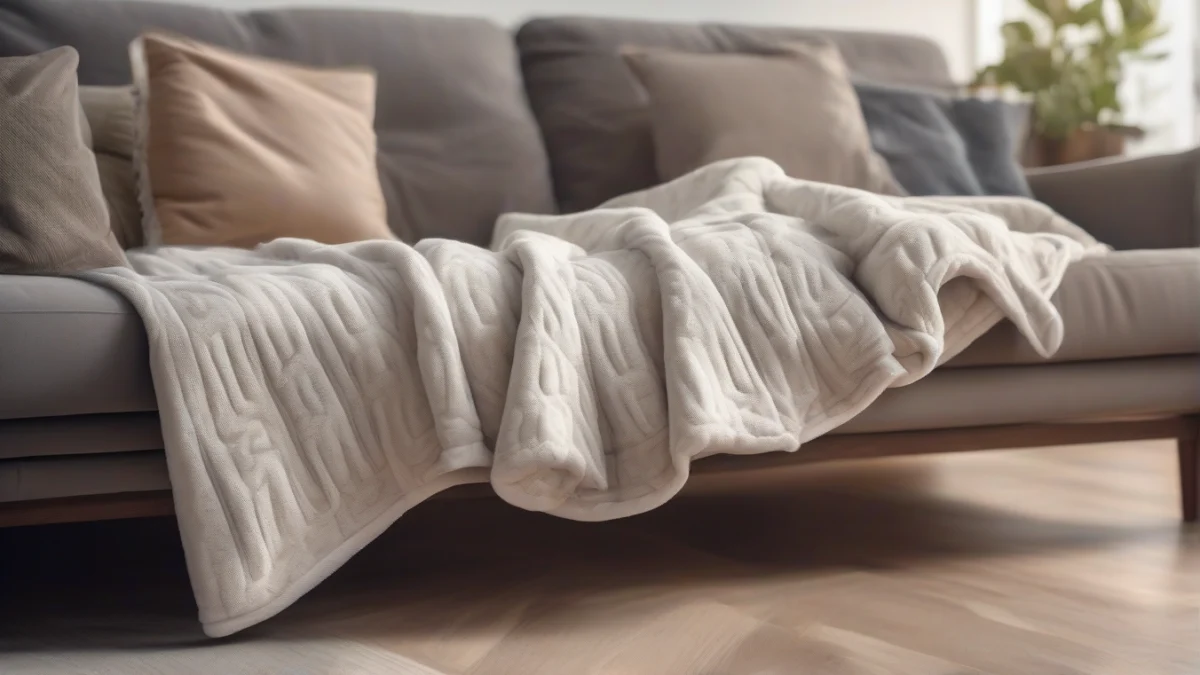
Auto shut-off is essential. It turns the blanket off after a preset time, typically 8 to 10 hours, stopping heat buildup if you forget to turn it off. Overheat protection uses sensors to detect unsafe temperature rises and cut power instantly.
Look for safety certifications like UL, ETL, or FCC on the product label or packaging. These indicate the blanket has passed independent electrical safety tests. Certification means the manufacturer meets recognized safety standards.
Safety features often include reinforced wiring, insulated heating elements, and a controller designed to shut off power if faults occur. Check the manual for details on built-in protections before buying.
Energy Efficiency of Heated Blankets
Heated blankets use roughly 100 watts, far less than a space heater that can draw 1,500 watts. This makes them an energy-efficient way to stay warm in bed or on the couch. Running costs depend on wattage, usage hours, and electricity rates.
To estimate cost, multiply watts by hours used, then divide by 1,000 to convert to kilowatt-hours (kWh). Multiply kWh by your electric rate. For example, a 100 W blanket used 8 hours daily at $0.17 per kWh costs about 13 cents a day.
| Appliance | Watts | Per hour | Per day (8 h) | Per month (30 days) |
|---|---|---|---|---|
| 1,500 W space heater | 1,500 W | 26¢ | $2.04 | $61.20 |
| Heated blanket | 100 W | 1.7¢ | 14¢ | $4.08 |
Factors affecting energy use include heat settings and blanket size. Higher settings draw more power. Larger blankets may have more heating zones, increasing consumption slightly. The Bedsure Heated Blanket uses 100 watts and offers 6 heat levels with a timer, helping control energy use precisely.
Compared to traditional room heating, heated blankets use less energy because they warm your body directly. This localized heat means you can lower the thermostat and save on overall heating costs. Using a heated blanket is a practical way to reduce energy bills while staying comfortable.
Choosing the Right Heated Blanket for Your Needs
The best heated blanket for comfort uses soft materials and offers multiple heat settings. Look for blankets with dual-sided fabrics like flannel and sherpa to suit different skin sensitivities and preferences. The Bedsure Heated Blanket Throw Blanket with Preheat Function combines fast, even warmth with a soft flannel top and sherpa backing, making it ideal for comfort seekers.
Sensitive skin requires blankets made from hypoallergenic, breathable fabrics that reduce irritation. Avoid harsh synthetic fibers and opt for blankets with gentle textures and minimal seams. A blanket with adjustable heat levels can also help prevent overheating, which often causes discomfort for sensitive skin.
Consider your lifestyle when choosing a heated blanket. For frequent use, pick one with an automatic shut-off feature, multiple timer settings, and easy-to-use controls. If you want a blanket that doubles as a regular throw, choose a model with attractive design and durable stitching that holds up to washing and daily use.
Reading user reviews reveals real-world performance, reliability, and comfort. Focus on feedback about heat consistency, cord length, and controller durability. Reviews also highlight issues like button sensitivity or fabric wear that may not appear in product descriptions.
- Match Heat Settings to Your NeedsSelect a blanket with a range of heat levels to customize warmth and save energy.
- Choose Fabric for Comfort and SensitivityPick soft, breathable fabrics like flannel or sherpa, especially if you have sensitive skin.
- Consider Timer and Auto Shut-Off FeaturesLook for blankets that turn off automatically after 8 to 10 hours to prevent overheating and save power.
- Read User ReviewsCheck for reports on durability, heat consistency, and ease of use to avoid surprises.
Frequently Asked Questions
What should I do if my heated blanket isn’t working?
How can I safely use a heated blanket?
What are the best practices for maintaining a heated blanket?
Are there heated blankets that don’t require a plug?
How do I choose a heated blanket for my specific needs?
What safety features should I look for in a heated blanket?
It helps to understand repairing a faulty heated blanket before spending anything.
If that sounds like your room, read up on understanding heated blankets next.