
Chilly drafts from your chimney can make your home uncomfortable and drive up heating costs. Understanding how to block these drafts is essential for maintaining a warm environment and conserving energy.
How to Stop Drafts from Chimney
To stop cold air from coming down your chimney and reduce drafts, seal the flue with a tight-fitting damper or a chimney draft stopper like a wool plug. These methods block cold air from entering your home and prevent warm indoor air from escaping, which saves on heating bills.
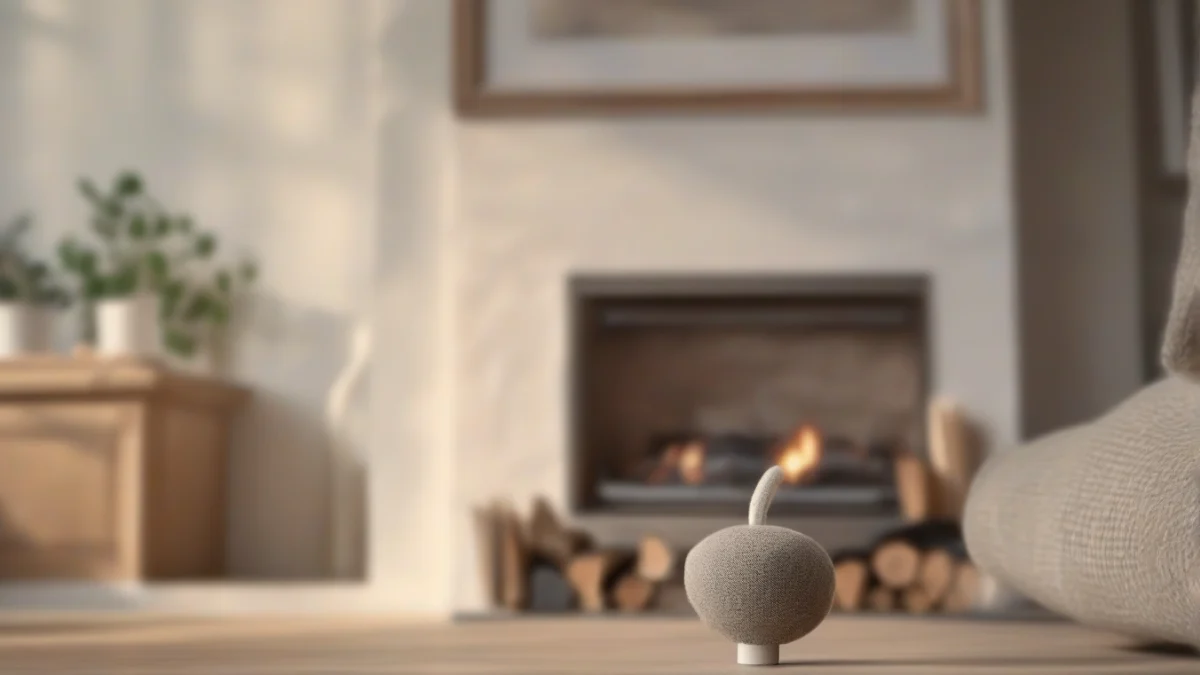
Chimney drafts happen because warm air inside your home rises and escapes through the chimney, pulling cold outside air down the flue. This creates a continuous draft that wastes heat and forces your heating system to work harder.
Temporary solutions include using inflatable draft stoppers or dense wool plugs that fit snugly into the chimney flue. Permanent fixes involve installing a top-sealing damper that closes tightly when the fireplace is not in use. Both stop cold air from coming down the chimney effectively.
Safety is key when using draft stoppers. Never leave a draft stopper in place if you light a fire or use gas logs. Always remove the stopper before starting a fire to avoid smoke buildup or carbon monoxide risks.
- Measure the Flue OpeningMeasure the inside dimensions of your chimney flue to choose the right size stopper or damper.
- Choose a Draft StopperSelect a dense wool plug for a snug, natural seal or a magnetic fireplace cover for larger openings.
- Install the StopperPush the wool plug firmly into the flue just above the firebox. For magnetic covers, attach securely to the fireplace frame.
- Remove Before UseAlways remove the stopper before lighting a fire or using gas logs to ensure safe venting.

Stopping chimney drafts keeps warm air inside your home and reduces heating costs by preventing heat loss through the chimney. Use the right stopper size and remove it before using the fireplace to stay safe and save energy.
For more on how cold air moves down chimneys and ways to block it, see stop cold from down chimney.


Understanding the Causes of Chimney Drafts
Chimney drafts happen when cold air pushes down the flue, making your home colder. Hot air rising inside the house creates lower pressure that pulls outside air through any gaps, including under doors. To stop drafts under doors, use door sweeps or draft stoppers to block incoming cold air.
The chimney flue’s design affects how air moves. A well-sealed, properly sized flue lets hot air rise and escape smoothly. If the flue is cracked, damaged, or too large, cold air can fall back down. A loose or missing damper lets cold air come in when the fireplace is not in use.
Wind patterns outside also influence drafts. Strong winds hitting the chimney top can push air down the flue. Nearby trees, buildings, or hills can create turbulence that forces cold air inside. This effect is stronger in tall, narrow chimneys without caps or with poorly designed tops.
To stop drafts in the house, seal gaps around windows, doors, and electrical outlets. Insulate walls and attics to reduce cold air infiltration. The chimney is one part of the overall air leakage problem and should be addressed alongside these other sources.
Temporary Solutions for Chimney Drafts
A chimney stop is a quick way to block cold air when the fireplace is not in use. Inflatable chimney balloons or pillows fill the flue and create a barrier against drafts. They are easy to install and remove but can puncture or deflate over time.
Natural fiber options like wool stoppers provide a durable alternative. Wool is dense and rigid, which helps maintain a firm seal against the flue walls. Wool plugs also reduce odors and noise from outside. They fit snugly just above the firebox and can be removed easily before lighting a fire.
- Measure the FlueMeasure the inside dimensions of your chimney flue accurately to choose the right size stopper or balloon.
- Insert the StopperPush the wool plug or inflate the balloon just above the firebox for the best seal.
- Check the FitEnsure the stopper fits snugly without gaps to block drafts effectively.
- Remove Before LightingAlways remove the stopper completely before using the fireplace.
Permanent Solutions for Chimney Drafts
Stop drafts from patio doors by installing weatherstripping or a door sweep. For drafts from a mailslot, use a sealed draft guard or cover plate to block cold air.
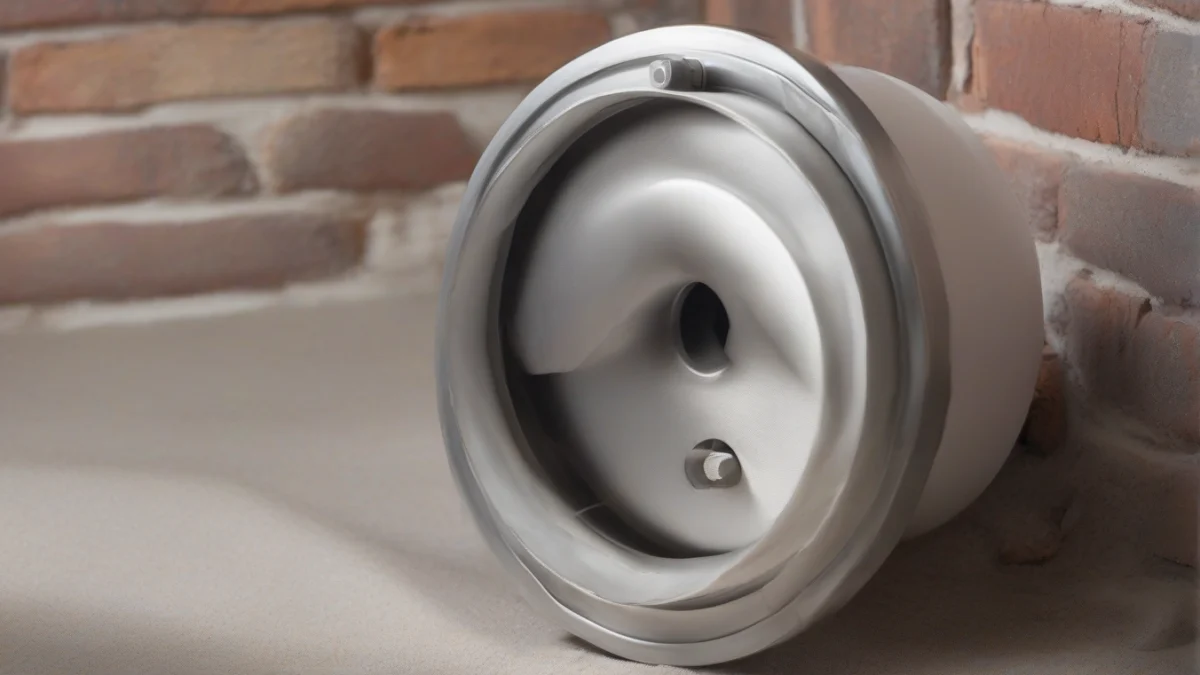
A top-sealing damper is the most effective permanent solution for chimney drafts. It fits tightly at the chimney top and seals the flue completely when the fireplace is not in use. This prevents cold air from entering and warm air from escaping. Installation requires climbing onto the roof and securing the damper inside the chimney crown, so it is best done by a professional.
- Choose a Top-Sealing DamperSelect a damper sized to your chimney flue. Look for models with a strong metal seal and a durable handle for easy operation.
- Hire a Professional InstallerA chimney professional will safely remove the old damper and install the new top-sealing damper. They will also check for proper fit and operation.
- Seal Cracks Around the ChimneyUse high-temperature mortar or chimney sealant to fill cracks in the chimney crown and flue liner. This stops air leaks that bypass the damper.
- Maintain the Chimney RegularlySchedule annual chimney inspections and cleanings. Regular maintenance prevents buildup and identifies issues that cause drafts.
A professional chimney assessment can identify hidden problems like damaged flue liners or improper chimney height that cause drafts. Fixing these issues improves draft control and heating efficiency.
Safety Tips for Working with Chimneys
Stop door drafts by sealing gaps around the frame with weatherstripping or foam sealant. To stop cold drafts for good, combine sealing with proper ventilation and chimney maintenance.
Always ensure the fireplace and chimney are completely cold before installing any draft stopper or performing maintenance. Hot surfaces or embers can cause burns or fires.
- Check for Gas or SmokeMake sure no gas leaks or smoke are present before starting work. Use a carbon monoxide alarm for safety.
- Inspect Draft StoppersConfirm draft stoppers are in good condition without damage to cords or materials. Replace any worn parts.
- Clear the AreaRemove flammable materials and ensure the workspace is well-lit and ventilated.
Call a professional for chimney repairs if you notice cracks, loose bricks, damaged liners, or persistent drafts. Professionals have the tools and expertise to fix problems safely and comply with building codes.
Frequently Asked Questions
What is the best way to stop drafts from a chimney?
How do I know if my chimney is causing drafts?
Can I use a chimney balloon with a gas fireplace?
What should I do if my chimney draft stopper doesn’t fit?
How often should I inspect my chimney for drafts?
Are there any DIY solutions for blocking chimney drafts?
It helps to understand how to seal your chimney before spending anything.
We cover best kits for cold weather in its own guide.
