
As temperatures drop, keeping your home warm and energy-efficient becomes a priority. One of the most effective ways to reduce heating costs is by insulating your windows against cold drafts. A good window insulation kit can dramatically improve your home’s comfort and save on energy bills.
Window Insulation Kit Comparison
| Product | Best for | Kit Size | Material | Best Use | Insulation Type | Price |
|---|---|---|---|---|---|---|
| Duck MAX Strength Window Insulation Kit, Fits 10 Windows | Best for Large Coverage | 2 rolls, 62″ x 210″ each | Heavy duty shrink film | Large homes, up to 10 windows | Shrink film | Check price |
| Duck MAX Strength Window Insulation Kit, Fits 5 Windows | Best for Medium Rooms | 1 roll, 62″ x 210″ | Heavy duty shrink film | Medium homes, up to 5 windows | Shrink film | Check price |
| Duck Brand Window Insulation Kit, Fits 15 Windows | Best for Extra Large Coverage | 3 rolls, 62″ x 210″ each | Shrink film | Very large homes, up to 15 windows | Shrink film | Check price |
| Mellroom Adjustable Window Insulation Kit, Reusable Film | Best Reusable Option | 47″ x 63″ sheet | Reusable plastic film | Windows needing ventilation | Plastic film | Check price |
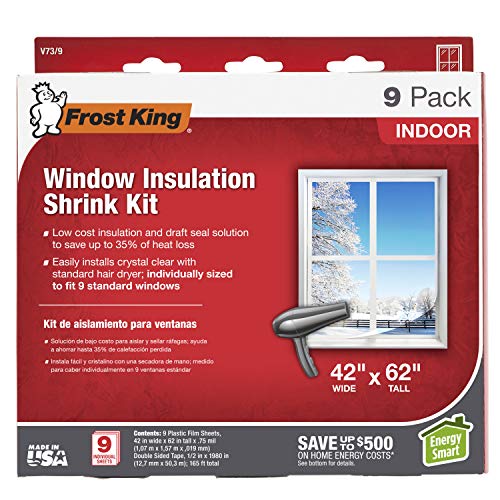
| Frost King V73/9H Indoor Shrink Window Kit, 9-Pack | Best Value Pack | 9 sheets, 42″ x 62″ each | Shrink film | Multiple small windows | Shrink film | Check price |


Top Window Insulation Kits for Energy Efficiency
Duck MAX Strength Window Insulation Kit, Fits 10 Windows
- Kit Size2 rolls, 62″ x 210″ each
- CoverageUp to 10 windows
- MaterialHeavy duty shrink film
- Tape Included2 rolls, 0.5″ x 54′ each
- ColorClear
- Covers up to 10 windows with two rolls
- Puncture-resistant and twice as thick as standard kits
- Easy indoor installation with included tape and simple tools
- Crystal clear film for unobstructed views
- Requires hair dryer for shrinking film
- Only fits standard 3′ x 5′ windows
- Tape rolls are shorter than film length
Duck MAX Strength Window Insulation Kit, Fits 5 Windows
- Kit Size1 roll, 62″ x 210″
- CoverageUp to 5 windows
- MaterialHeavy duty shrink film
- Tape Included1 roll, 0.5″ x 84′
- Covers up to 5 standard windows
- Heavy duty, puncture-resistant film
- Easy to cut and install without measuring
- Clear film that removes easily after winter
- Only one roll so limited coverage
- Needs hair dryer for shrinking film
- Tape roll is long but narrow
Duck Brand Window Insulation Kit, Fits 15 Windows
- Kit Size3 rolls, 62″ x 210″ each
- CoverageUp to 15 windows
- MaterialShrink film
- Tape Included3 rolls, 0.5″ x 54′ each
- Covers up to 15 windows with three rolls
- Easy to cut and install indoors
- Clear, transparent film for visibility
- Tape included for airtight sealing
- Requires hair dryer for shrinking film
- Tape rolls shorter than film length
- Packaging may vary on arrival
Mellroom Adjustable Window Insulation Kit, Reusable Film
- Film Size47″ x 63″ (120cm x 160cm)
- Film ThicknessAbout 180㎛ (0.18mm)
- MaterialReusable plastic film
- InstallationAdhesive loop and hook straps
- Best UseWindows needing ventilation
- Reusable plastic film with adhesive straps
- Allows window ventilation without removal
- Cuttable and foldable for future use
- Soft and transparent material
- Not suitable for windows needing constant ventilation
- Requires manual measuring for fit
- Not recommended for outdoor or glassless windows
Frost King V73/9H Indoor Shrink Window Kit, 9-Pack
- Sheet Size42″ x 62″
- Quantity9 sheets
- MaterialShrink film
- Best UseMultiple small windows
- Includes 9 sheets for multiple windows
- Easy to install shrink film
- Clear and transparent material
- Provides a budget-friendly bulk option
- Tape may fail with sunlight exposure
- Requires yearly reapplication
- Smaller sheet size limits coverage per sheet
How to Choose the Right Window Insulation Kit
Start by checking the material. Heavy-duty shrink film or durable plastic with puncture resistance lasts longer and blocks drafts better. Avoid thin or flimsy films that tear easily.
Size matters. Pick a kit that fits your window dimensions and the number of windows you want to cover. Most kits specify coverage area in inches or feet. If your windows are larger or unusual shapes, look for adjustable or oversized options.
Installation ease varies. Some kits require only tape and scissors, while others ask for a hair dryer to shrink the film tight. If you want a quick setup without tools, find a kit designed for tapeless installation or one with pre-cut adhesive strips.
Reusable kits save money if you plan to insulate multiple seasons. These often use sturdier materials and removable adhesives. Single-use kits are cheaper upfront but need replacing each year.
| Feature | What to Look For |
|---|---|
| Material | Puncture-resistant heavy-duty shrink film or plastic |
| Size | Fits your window dimensions and number of windows |
| Installation | Easy setup with or without tools like hair dryer |
| Reusable | Reusable adhesives or film for multiple seasons |
For single-glazed windows, a shrink film kit creates an insulating air barrier that reduces heat loss effectively. To insulate window sills, use foam or rubber weatherstripping combined with shrink film for best results. If you want window insulation without tape on walls, choose kits with static cling or adhesive strips designed to avoid wall damage.
Sizing and Coverage Considerations
Measure the height and width of each window pane precisely. Round up to the nearest inch to ensure full coverage. Measure the frame if the kit includes it.
Count how many windows you need to cover. Kits vary widely in coverage—some handle 3 to 5 windows, others cover 10 or more. Choose a kit that covers all your windows to avoid buying extras later.
Check kit coverage specifications before buying. Some kits list total square footage or linear inches of film. Compare this to your total window area by multiplying height by width and summing all windows.
- Measure Window DimensionsUse a tape measure to get height and width of each window pane and frame if needed.
- Calculate Total CoverageMultiply height by width for each window, then add all to find total square footage.
- Match Kit SizeChoose a kit that covers at least your total window area, plus a few extra inches for overlap.
Single glazed windows lose more heat, so accurate sizing is key to maximize insulation effect. For large windows, pick kits labeled for oversized or extra-large windows or buy multiple kits. DIY window insulation for winter often uses shrink film stretched tight over the entire window frame for best results.
Proper sizing prevents gaps that let cold air in. If your windows vary widely in size, consider adjustable kits like the Mellroom Adjustable Window Insulation Kit 47inX63in or multiple kits sized for different windows.
Running Costs and Energy Savings
Energy-efficient windows can reduce heating costs by 10 to 15 percent by minimizing heat loss through glass and frames. Window insulation kits add a layer of plastic film that traps a pocket of air, cutting drafts and lowering the workload on your heating system.
Cold air leaks often occur around window sills where seals have degraded. Insulation kits help seal these gaps, preventing heat from escaping and cold air from entering. This reduces the need for your heater to run as often or at high settings.
To estimate savings, consider a 1,500-watt electric heater running 8 hours daily at a rate of 17 cents per kWh. Without insulation, your heater runs more to compensate for drafts. With kits reducing heat loss by 10 to 15 percent, you can cut your heating electricity use proportionally.
Window insulation kits do not add running costs because they are passive barriers. Their upfront cost is offset by lower heating bills over the winter months. Compared to replacing windows, kits are a low-cost way to improve heating efficiency quickly.
Effectiveness varies by kit quality and installation. Kits like the Duck MAX Strength provide thicker plastic and stronger adhesive, sealing better against drafts. Poorly installed kits or thinner films will reduce savings.
Safety and Certification for Window Insulation Kits
Window insulation kits for single glazing require careful installation to avoid hazards and maximize effectiveness. Look for products with safety certifications such as UL or ETL, which confirm the materials meet fire resistance and durability standards.
Most kits use low-risk polyethylene plastic, which is fire-resistant but not fireproof. Keep kits away from heat sources like space heaters or candles to prevent damage or fire risk. Check product labels for specific fire ratings.
Installing kits on windows without frames or with damaged sills requires extra care. Use painter’s tape or additional adhesive strips to secure plastic firmly. Avoid stretching the film too tight; it should be taut but not under tension to prevent tearing.
Durability matters in cold weather. Kits with UV-resistant and thicker plastic withstand temperature swings and last the whole heating season without needing replacement. Thin films degrade faster and may peel off, losing effectiveness.
When insulating windows without kits, such as with bubble wrap or curtains, safety and fire resistance vary widely. Kits designed for windows are safer and tested for this purpose. Follow manufacturer instructions closely to maintain safety and performance.
Common Misconceptions About Window Insulation
Some Amazon reviews complain that window insulation kits are hard to install or that the tape does not stick well. These issues often arise from using the wrong type of tape or poor surface preparation, not from the kit itself. Many kits use adhesive tape designed specifically for smooth, clean window frames. Others rely on tension rods or plastic shrink film that heats and tightens without tape.
Proper installation is crucial for both effectiveness and durability. Clean the window frame thoroughly before applying tape or film. Allow the surface to dry completely. Avoid touching the adhesive side of tape with dirty or oily hands. Follow the shrink film heating instructions carefully to avoid overheating or gaps.
A common misconception is that window insulation kits do not work well or are only a temporary fix. In reality, when installed correctly, these kits significantly reduce drafts and heat loss through single-pane windows. They create an insulating air barrier that improves comfort and lowers heating costs.
Window sills should be included in the insulation coverage if they contribute to drafts or cold spots. Some users remove or cover the sill with insulation film or tape to seal gaps. Ignoring the sill can leave a path for cold air to enter, reducing overall effectiveness.
Kits are designed for DIY installation and usually require only basic tools like scissors and a hair dryer. The process is straightforward when following the step-by-step instructions. Difficulty often comes from skipping steps or rushing the application.
For those who want a longer-lasting solution, combining window insulation kits with draft stoppers or weatherstripping at the sill and frame adds extra protection. This approach addresses weak points and improves the overall seal.
If you want to stop drafts from windows but find insulation kits challenging to install or maintain, consider looking at specialized heaters designed for drafty windows. They provide heat directly where you need it and can complement insulation efforts best heaters for cold drafts from windows.
Frequently Asked Questions
What is the best window insulation kit for winter?
Can I use window insulation kits on single glazed windows?
How do I install a window insulation kit without tape?
What materials are best for window insulation?
How much energy can I save with window insulation?
Are there any safety concerns with window insulation kits?
It helps to understand how to stop heat escaping through your chimney uk before spending anything.
For the detail, see our notes on sealing windows for heat retention.