Single glazed windows look fine on a mild day, then feel like blocks of ice once the heating goes on. A single pane is only about R-1, so it barely slows heat moving from your room to the cold outside air.
This how-to walks through the highest-impact upgrades in order: air sealing, window insulation film, secondary glazing, and thermal curtains or cellular shades. You will see how each one changes the R-value or U-value, how they affect condensation, and which options suit owners, renters and historic homes.
Effective Insulation Ideas for Single Glazed Windows
Effective insulation ideas for single glazed windows start with sealing every draft, then adding extra layers over the glass such as clear film, secondary glazing and thermal window coverings. That layered approach turns a bare R-1 single pane into a window that behaves closer to R-2 or R-3 at the window area, which feels far less icy in winter.
A single pane of glass is only about R-1, roughly the same as a thin sheet of plywood. Your insulated walls and roof have much higher R-values and several inches of insulation, so their inside surfaces stay nearer room temperature while the glass surface runs cold and drops the whole room comfort.
Two problems make single glazing feel harsh in cold weather. Heat conducts straight through the glass, and cold air sneaks around the sash and frame through gaps, old glazing putty and loose locks so you feel drafts even if the thermostat reads warm.
Air sealing is the first and highest return fix. Weatherstripping around the moving parts and careful caulking at the frame-to-wall joint barely change the R-value on paper, but they cut drafts and cold air washing across your skin, which is why a well sealed R-1 window often feels better than a leaky one with thicker glass.
After sealing, add insulation layers over the glass itself. Cheap options include shrink film kits, bubble wrap insulation pressed onto the glass, and removable draft stoppers along the sill. Bigger upgrades include magnetic or framed secondary glazing and storm windows, plus thermal curtains, cellular honeycomb shades and internal shutters that you close at night to slow heat loss and air movement.
Aim to stack methods so the window area moves from about R-1 bare glass toward something in the R-2 to R-3 range using film or secondary glazing plus a good night-time covering. That is usually enough to make the room usable without cranking the heat as high, especially once you combine the window work with smart heating and zoning from how to improve single glazed windows.
Owners can invest in permanent draft proofing, new glazing putty, secondary glazing or storm windows anchored to the frame. Renters need reversible ideas such as shrink film, bubble wrap, removable rope caulk, self-adhesive foam weatherstripping and thermal curtains on tension rods, along with landlord-approved inserts; for more detail on low-commitment fixes see our effective insulation ideas for your rental studio. Later sections walk through sealing steps, compare secondary glazing and coverings in more depth, and flag how each choice affects condensation and long-term cost.

Window Insulation Film Effectiveness on Single Glazed Windows
On a single glazed window, window insulation film makes a clear comfort difference but still falls short of true double glazing. Think of shrink film as a makeshift double-pane that cuts drafts and bumps performance a bit above bare R-1 glass, while full secondary glazing comes much closer to modern double-glazed units.
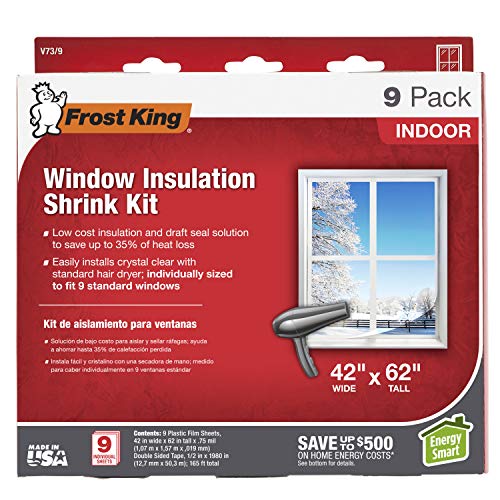
Shrink film kits are clear plastic sheets that tape to the inside trim, then tighten with a hair dryer to create a nearly invisible skin over the whole window. They work by trapping a thin layer of still air between glass and film, which slows heat flow and blocks many of the tiny air leaks around the sash. Low-E window films are thin clear coatings applied directly to the glass that reflect some radiant heat back into the room; they do not stop drafts but reduce how quickly you lose warmth through the glass itself.
That dead-air space from a shrink kit effectively turns a single pane into a simple double-pane setup, just not as well sealed or optimized as a factory unit. You feel the benefit as less cold radiation from the window, less movement of chilly air off the glass and fewer small leaks whistling through the meeting rails.
| Window Setup | Approx. R / U Performance | Effect on Heat Loss |
|---|---|---|
| Bare single pane | About R-1 (very low resistance) | Glass surface feels very cold; high heat loss and strong downdrafts. |
| Single pane + shrink film | Slightly better than R-1; still much weaker than double glazing | Noticeably warmer near the window and fewer small drafts through the sash. |
| Single pane + secondary glazing | U roughly 1.6–2.0 W/m²K for well fitted systems | Heat loss cut by well over half compared with bare single; comfort much closer to double glazing. |
| Modern factory double glazing | Typically similar to or better than good secondary glazing | Large reduction in heat loss plus improved sound insulation compared with single glazing. |
Shrink film often gives the biggest comfort jump per dollar because it tackles both conduction through the glass and many tiny leaks, but it usually does not reach the performance of a well specified double-glazed unit. Secondary glazing that creates a deeper, well sealed air gap can reach U-values around 1.6–2.0 W/m²K, which reduces heat loss by well over half and puts it much closer to double glazing than film alone.
Film has tradeoffs. You cannot open the window without cutting or peeling it off, it typically needs to be redone each heating season, and it is easy for pets or children to puncture. Because the inner surface stays warmer, visible condensation can shift to the edges, the sash or the small gap at the bottom where humid air sneaks behind the film, so you still need to manage indoor humidity.
Use window insulation film as a primary fix in short-term rentals, mild climates, low-use rooms, or when you need a quick, low-cost improvement on leaky single panes. In very cold climates, on large areas of glass, or in main living rooms where you spend hours, it is usually worth planning for secondary glazing or eventual window replacement once the easy wins from film and draft proofing are in place.
Low-E window films suit situations where drafts are already sealed and you want a year-round layer that still lets you open the sash. They pair well with night-time coverings such as thermal curtains and cellular honeycomb shades, which add further insulation over the film; if you are choosing between those coverings, our comparison of thermal curtains and honeycomb blinds in thermal curtains vs honeycomb blinds insulation helps you pick a good match for your windows.
Seal Drafts and Frames Before Adding Any Window Insulation
Stopping drafts around a single glazed window usually gives more comfort than anything you stick on the glass. Gaps around sashes, loose glazing putty and warped frames let cold air pour in, so the room feels cold even though the glass itself is only about R-1. Seal every air leak before you spend money on films or secondary glazing.
Air sealing only adds a little to R-value, but it slashes cold air movement and wind chill near the window. That is why draft proofing is the highest‑return fix: low cost, big comfort gain, and it supports every other insulation layer you add later.
Start by knowing the usual leak points. On a single glazed window, more heat escapes through these cracks than straight through the pane.
- Meeting rails where upper and lower sash touch
- Along the top and bottom rails of movable sashes
- Hinge side and latch side of casement windows
- Parting beads and staff beads on sash windows
- Inside sash boxes and weight pockets
- Between frame and wall or trim, especially at corners
- Along the sill where the sash rests or where the frame meets the stool
Use compressible weatherstripping on moving parts and caulk for fixed joints. Self‑adhesive foam or rubber weatherstripping works on the sides and tops of sashes and casements. V‑strip (also called V‑seal) is good for meeting rails and vertical edges because it flexes as the sash moves. Silicone or acrylic caulk seals the frame to the wall and any non‑moving cracks, while rope caulk is a removable option you can press into leaky seams for a season. Around loose panes, scrape out failed material and use fresh glazing compound. On the interior sill, removable draft stoppers block the last bit of air puddling at your feet.
- Inspect for draftsOn a cold or windy day, move your hand slowly around the frame, meeting rails, hinges and sill. Mark any spots where you feel a chill or see curtains move; these are your priority leaks.
- Clean and prepare surfacesWipe dust and grease from frames, then dry thoroughly. Gently remove loose caulk or crumbling glazing compound without aggressive sanding, especially on older, painted windows.
- Apply weatherstripping to moving partsAdd self‑adhesive foam, rubber, or V‑strip along sash sides, meeting rails, and casement stops so the window compresses the seal when closed but can still open without tearing it.
- Caulk fixed gapsRun a thin, continuous bead of acrylic or silicone caulk where the frame meets the wall, at trim joints, and in non‑moving cracks. Smooth it so there are no gaps or voids, and avoid blocking any drainage or weep holes.
- Seal loose glassIf panes rattle, bed them with fresh glazing compound from the outside, or press rope caulk along the interior edge of the glass as a reversible fix until proper reglazing is possible.
- Check the seal with smoke or incenseAfter the sealants cure, close and latch the window. Move a smoke stick or incense around the edges; smoke that pulls strongly in or flickers shows a remaining leak that needs more weatherstrip or caulk.
If cold air still pours off the glass after sealing, add a sill draft stopper to catch downdrafts, and use draft stoppers on nearby doors so you are not chasing the same cold air around the room.
Draft proofing cannot fix structural problems. If the frame or sill is rotten, the sash is twisted so badly it will not close evenly, or the glass stays cracked or loose even after reglazing, the window needs repair or replacement rather than more sealant. Save the detailed insulation upgrades for windows that are sound and square.
Secondary Glazing, Storm Windows and Inserts as Upgrades
Secondary glazing, storm windows and window inserts add a rigid second layer over single glazing and can dramatically cut heat loss through the opening. Done well, they give a bigger comfort and energy gain than film or curtains alone, without ripping out the original window.

What Secondary Glazing Does
Secondary glazing usually means an inner pane of glass or acrylic fixed to the inside of the existing window frame, creating a sealed gap of air between old glass and new. Unlike seasonal shrink film, that inner pane stays in place year after year and can be removed or opened only when you choose.
Tests show that a single pane window plus good secondary glazing can reach U-values around 1.6–2.0 W/m²K, cutting heat loss through that window by well over half compared with the bare single glazing. That pushes the effective insulation several times higher than the original R-1 single pane, though still short of the performance of modern low-E double glazing. Traditional storm windows and interior inserts work on the same principle: trap a still air layer and stop drafts at the same time.
Types of Secondary Glazing and Inserts
Magnetic or clip-on acrylic panels are the simplest option: a lightweight clear sheet snaps onto metal or plastic strips around the frame, and you can pop it off for cleaning or summer ventilation. Sliding or hinged secondary units are more like a second internal window, with tracks or hinges that let you open them for airflow. Fixed internal storm windows screw or clip into place and stay put most of the year, giving the best seal but making access to the original sash harder. Exterior storm windows mounted outside the frame do a similar thermal job but change the building’s appearance and are harder to maintain on upper stories.
Think through day-to-day use before you choose. If you like to open windows for background ventilation, a sliding or hinged system makes more sense than a fully fixed insert. If you mainly want a once-and-done improvement with maximum insulation and noise reduction, a well-sealed fixed internal storm often wins.
Better For Historic and Period Homes
For listed or historic buildings, internal secondary glazing is usually preferred because it leaves the original sashes and external facade untouched. Pair it with careful draught proofing and internal shutters to keep character while slashing heat loss; draft proofing explains how to seal gaps without wrecking old joinery.
Conservation rules often restrict changes to external appearance, so adding discreet secondary glazing indoors can be the only realistic way to improve comfort. Always check local preservation guidance before altering external frames or adding exterior storm windows.
Cost-Benefit vs Full Window Replacement
Secondary glazing and quality inserts cost far more upfront than a roll of film, but they last for many years, reduce noise and deliver significant energy savings each heating season. For owners planning to stay put, the mix of lower bills, warmer-feeling rooms and quieter interiors often justifies this middle-ground upgrade.
- Keeping original timber or steel frames that are still structurally sound.
- Cutting heat loss and traffic noise without major building work or scaffolding.
- Upgrading a few key rooms now and spreading the cost instead of replacing every window at once.
- Frames with severe rot, sagging members or crumbling putty that really need full rebuilding.
- Locations where safety glazing rules require new toughened or laminated glass, such as near floors, stairs or tubs.
- Owners already planning major exterior renovations, where full window replacement can be folded into the same project.
Treat secondary glazing as an upgrade for sound, stable windows. If frames are badly rotten, condensation has repeatedly damaged the wood, sashes are warped beyond effective draught proofing, or you need safety glass that the existing units cannot take, full replacement is the safer long-term choice.
Use Thermal Curtains, Cellular Shades and Shutters at Night
Thermal curtains, cellular honeycomb shades and internal shutters act as a movable insulation layer you close over single glazed windows at night. They slow the cold air currents that spill off cold glass so a room feels warmer at the same thermostat setting.

A good thermal curtain uses multiple fabric layers and a dense lining, hung close to the wall and wide enough to cover the frame and reach the floor. When you draw it fully across, it creates a still air pocket between fabric and window, and that trapped air is what adds insulation. These curtains only cut heat loss while they are completely closed; left shut in daylight they also block useful solar gain that could help warm the room.
Use a simple routine in winter: open thermal curtains on sunny windows during the day to let light and heat in, then close them again at dusk to hold that warmth inside.
Cellular honeycomb shades work in a similar way but trap air inside their honeycomb pockets instead of behind a big drape. Double- or triple-cell insulated cellular shades that fit snugly within the window reveal, ideally into side channels, can provide very strong insulation for their thickness. Because they sit close to the glass, they suit windows where there is no room for bulky curtains.
As a rule, a well-fitted double- or triple-cell shade with side tracks will outperform a light decorative curtain, while a full-height, properly sealed thermal curtain can beat a basic single-cell blind. Overall, these movable coverings usually rank below rigid secondary glazing on insulation but ahead of standard roller or Venetian blinds. For a deeper comparison of thermal curtains vs honeycomb blinds insulation, look for a dedicated breakdown before you invest in new window coverings.
Internal shutters add another option: solid timber or composite panels hinged to the inside of the window reveal. Closed at night, they trap a layer of air much like secondary glazing, are easy to dust, and sit comfortably in period or historic interiors. You can keep the original sash and glass untouched while gaining extra insulation, security and privacy.
For the best performance on cold single glazing, layer these treatments. Put shrink film or secondary glazing directly over the glass to stop drafts, then fit a cellular shade in the reveal and finish with a thermal curtain outside the frame so you stack the R-value of each layer.
Renters can still use window coverings as insulation without drilling into the frame. Tension-rod thermal curtains that press between walls, clamp-fit or spring-tension cellular shades, and removable internal shutters that slot into the sill all come down cleanly when you move out. For more small-space and tenancy-friendly ideas, our guide to diy window insulation for uk renters shows how to combine temporary film, covers and draft stoppers in rentals.
Condensation, Maintenance and When to Upgrade the Window
Condensation on single glazed windows happens because warm, moist indoor air hits very cold glass that insulates at only about R-1, so the inner surface often drops below the dew point. Water then forms on the glass, runs into the frame and can chill the whole room as it evaporates again.
Insulation that warms the room-side surface usually reduces visible condensation in the room. Shrink film kits add a thin air gap, so the plastic film you see is warmer than bare glass and often stays dry, while any moisture tends to form on the colder glass behind it. Rigid secondary glazing or storm windows go further by cutting the window U-value and keeping the inner pane much warmer, so condensation indoors drops unless your humidity is very high.
Heavy thermal curtains, cellular shades and internal shutters can go the other way if they trap humid air against very cold glass. The air behind a tightly closed curtain cools, hits the dew point and leaves water on the glass and frame. Pull curtains and blinds fully open at least once a day so the window can warm and dry, and leave a small gap at the top or bottom if you see persistent dampness behind them.
- Air the window every dayEach morning, open curtains, blinds or shutters fully and, if practical, crack the window for 5–10 minutes to dump humid air while walls and furniture stay warm.
- Control indoor humidity at the sourceUse kitchen and bathroom fans, put lids on pans, run a fan or open a window during and after showers, and avoid drying laundry indoors unless you use a vented dryer or dehumidifier.
- Use trickle vents or short bursts of openingIf your windows have trickle vents, keep them slightly open in winter. If not, use short, wide openings instead of leaving a window on the latch all day, which cools the room more for the same fresh air.
| Method | Typical Lifespan | What Usually Fails First |
|---|---|---|
| Shrink film insulation | 1 heating season | Film punctures or loses tension; tape dries out |
| Bubble wrap on glass | Up to 1 season | Wrap clouds or detaches as water film or tape dries |
| Low-tack tape on frames | 1–2 seasons | Adhesive hardens or leaves residue |
| Thermal curtains / cellular shades | Many years | Fabric fades, linings wear at sunniest windows |
| Secondary glazing / storm window | 10+ years | Seals or hardware need occasional adjustment |
Plan to replace shrink film each winter, and remove it gently with the tape at the end of the season. Bubble wrap usually needs replacing at the same time, or sooner if it clouds or starts to peel. To clear tape residue without stripping paint, start with warm soapy water and a soft cloth, then step up to a small amount of rubbing alcohol or a citrus adhesive remover, testing in a hidden corner and avoiding any scraping on old, brittle paint.
From an environmental angle, yearly plastic film and tape do create waste, but they also cut heat loss through an R-1 window and can save far more energy and emissions over several cold seasons than the materials cost. If you expect to stay put, reusable options like secondary glazing, magnetic panels or internal shutters shift you away from disposable plastics and usually give better comfort too.
In mild climates, insulating single glazed windows still pays off in comfort where you sit or sleep near the glass, even if the fuel-bill payback is slow. Focus effort on the coldest rooms first: typically north-facing living spaces, bedrooms and any corner room that feels chilly or damp.
Move from temporary fixes to a long-term solution when you are redoing film and tape year after year on the same problem windows, still fighting drafts or seeing regular condensation damage. At that point, investing in good secondary glazing or new high-performance windows usually brings better comfort, less maintenance and lower heating use over the life of the home. If you only occupy a space seasonally or cannot alter the building much, concentrate on reversible measures and how to insulate windows for temporary spaces instead; you can always pair that with portable heating and the best heaters for cold single-glazed windows rooms once the glass is as well insulated as practical.
Frequently Asked Questions
What is the most cost-effective insulation method for single glazed windows?
How do different insulation methods change condensation on single glazed windows?
Can secondary glazing make single glazed windows as efficient as double glazing?
What are the best window insulation options if I am renting and cannot drill into the frames?
How often should I replace shrink film or bubble wrap window insulation?
Is it still worth insulating single glazed windows in a mild climate?
The other half of this decision is safe insulation methods.
For the detail, see our notes on winter-proofing your windows.