Zone heating systems heat specific areas of your home efficiently. This targeted warmth improves comfort and can cut energy use significantly.
Comparison of Zone Heating Systems
| Product | Best for | Heating Method | Coverage Area | Power Source | Warranty | Price |
|---|---|---|---|---|---|---|
| Floorheat Hydronic Radiant Heat Control Panel 1 Zone | Best Overall | Hydronic radiant | — | — | — | Check price |
| Warming Systems Electric Radiant Floor Heating Kit 50 Sqft | Best for Small Areas | Electric radiant floor | 50 sq ft | 120V, 600W | 25 years | Check price |
| Warming Systems Electric Radiant Floor Heating Kit 180 Sqft | Best for Larger Floors | Electric radiant floor | 180 sq ft | 240V, 2160W | 25 years | Check price |
| Albott 2 Zone Mini Split AC/Heating System 12K+12K BTU | Best Multi-Zone HVAC | Mini split heat pump | Up to 550 sq ft per zone | — | — | Check price |
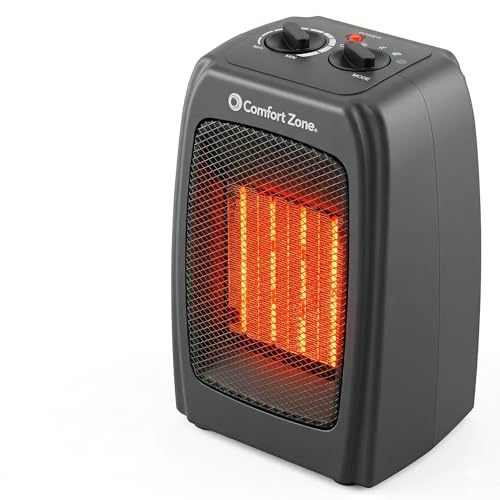
| COMFORT ZONE 18″ Tower Space Heater 1500W | Best Portable Heater | Electric fan heater | — | 1500W | — | Check price |


Top Picks for Zone Heating Systems
Floorheat Hydronic Radiant Heat Control Panel 1 Zone
- Heating MethodHydronic radiant
- Coverage Area—
- Power Source—
- Warranty—
- Preassembled for quick, user-friendly installation
- Energy efficient with reliable radiant heat
- Compact, attractive design saves space
- Requires direct phone contact for delivery
- Limited to one heating zone per panel
Warming Systems Electric Radiant Floor Heating Kit 50 Sqft
- Heating MethodElectric radiant floor
- Coverage Area50 sq ft
- Power Source120V, 600W
- Warranty25 years
- Complete kit with thermostat and safety monitor included
- Flexible cable design adapts to any floor shape
- Made in the USA with a 25-year warranty
- Limited to 50 sq ft coverage
- Requires careful cable installation
Warming Systems Electric Radiant Floor Heating Kit 180 Sqft
- Heating MethodElectric radiant floor
- Coverage Area180 sq ft
- Power Source240V, 2160W
- Warranty25 years
- Heating cable with uncoupling membrane for easy installation
- WiFi thermostat with underfloor sensor
- Made in the USA with 25-year warranty
- Requires 240V power supply
- Installation is more complex than smaller kits
Albott 2 Zone Mini Split AC/Heating System 12K+12K BTU
- Heating MethodMini split heat pump
- Coverage AreaUp to 550 sq ft per zone
- Power Source—
- Warranty—
- High efficiency with inverter technology
- Independent temperature control per zone
- Works in extreme temperatures down to -13°F
- Requires professional installation
- Higher upfront cost than single-zone systems
COMFORT ZONE 18″ Tower Space Heater 1500W
- Heating MethodElectric fan heater
- Coverage Area—
- Power Source1500W
- Warranty—
- Dual heat settings for flexible warmth
- Oscillation for even heat spread
- Multiple safety protections included
- Covers only small to medium rooms
- No zoning capability
How to Choose the Right Zone Heating System
Choosing the right zone heating system starts with understanding your home’s heating method options: electric or propane. Electric systems offer clean indoor air and easy installation but can cost more to run in areas with high electricity prices. Propane systems deliver strong heat output and lower fuel costs, ideal for rural homes without natural gas lines.
For a propane heated rural home around 3,500 square feet, a whole-house propane heating system with zoning controls is the best choice. It balances fuel efficiency with the ability to heat multiple areas independently, saving energy when some rooms are unused. Look for systems with high Annual Fuel Utilization Efficiency (AFUE) ratings above 90% to ensure you get the most heat per gallon of propane.
Thermodynamic panel heating systems, which combine solar energy and heat pumps, can be cheaper to operate than oil heating if your location offers enough sunlight and moderate winters. They use less fuel and electricity by extracting heat from the environment, but installation costs are higher and performance varies by climate.
- Step 1: Identify your heating fuelChoose electric if you want easy installation and cleaner air. Choose propane for higher heat output and lower fuel costs in rural areas.
- Step 2: Measure your coverage needsCalculate the square footage you want to heat and select a system rated for that area.
- Step 3: Check energy efficiency ratingsLook for AFUE for propane and Energy Factor (EF) for electric systems. Higher ratings mean lower fuel use.
- Step 4: Review warranty and service optionsLonger warranties and local service support reduce future repair costs and downtime.
Sizing and Heat Output for Zone Heating Systems
Sizing a zone heating system means calculating the BTU (British Thermal Units) required to heat each room effectively. A rough estimate is 20 to 30 BTU per square foot for a typical insulated room. For example, a 500 sq ft room needs about 10,000 to 15,000 BTU.
Insulation quality and heat loss affect the BTU needed. Older homes or rooms with large windows and poor insulation require more heat. Factor in climate and ceiling height; colder climates and taller ceilings increase heat demand.
Different zone heating systems distribute heat differently. Hydronic radiant systems provide even warmth through floors or panels, while forced-air propane systems heat air quickly but can create drafts. Electric baseboard heaters offer steady heat but may struggle in poorly insulated rooms.
| Appliance | Watts | Per hour | Per day (8 h) | Per month (30 days) |
|---|---|---|---|---|
| Zone heating system (1,500 W electric) | 1,500 W | 26¢ | $2.04 | $61.20 |
| Propane heater (20,000 BTU) | 5,900 W | $1.00 | $8.02 | $240.72 |
For propane heating systems in homes, sizing the system to match room size and insulation is critical for efficiency. Oversized systems waste fuel, while undersized systems leave rooms cold. Most propane heaters list BTU output, so match that to calculated needs.
If you want to learn more about ductless heating systems, which can also serve as zone heaters, see our detailed guide on honest best ductless heating system after 6 months.
Running Costs of Zone Heating Systems
Heating a living room without central heat means using a zone heating system sized to the room’s square footage. A typical living room might need 1,500 to 2,000 watts of electric heat or about 15,000 to 20,000 BTU if using propane. This amount keeps the space comfortable while avoiding wasted energy.
Electric zone heaters cost about 12 to 25 cents per hour to run, depending on wattage and your electricity rate. For example, a 1,500 W electric heater running 8 hours daily at 17 cents per kWh costs roughly $2.04 a day. Propane heaters can be cheaper per hour if you have low propane prices, with high-efficiency models reaching 90% or more thermal efficiency, meaning more heat from less fuel.
Propane heating costs vary but generally run about 6 to 12 cents per hour per 1,000 BTUs. A 20,000 BTU high-efficiency propane heater might cost around $1.20 to $2.40 for 8 hours, depending on fuel prices. These systems work well in places like Tennessee, where propane is common and winters are moderate.
| Appliance | Watts | Per hour | Per day (8 h) | Per month (30 days) |
|---|---|---|---|---|
| 1,500 W electric heater | 1,500 W | 26¢ | $2.04 | $61.20 |
| 20,000 BTU propane heater (approx. 5.9 kW) | 5,900 W | $1.00 | $8.02 | $240.72 |
Safety and Certification for Zone Heating Systems
Propane home heating systems must be installed and vented according to local codes. Only indoor-rated propane heaters are safe for home use. Proper ventilation and a working carbon monoxide alarm are essential to avoid deadly gas buildup.
Look for UL or ETL certification on electric zone heaters. These labels confirm the product meets safety standards for electrical and fire hazards. Propane heaters should also carry certification from recognized testing agencies to ensure safe operation.
Important safety features include overheat protection that shuts the heater off if it gets too hot, and tip-over switches that cut power if the unit falls. These features reduce fire risk, especially in homes with pets or children.
Proper installation and routine maintenance keep zone heating systems safe and efficient. For propane systems, hire a licensed technician to install and inspect the unit yearly. Electric heaters need clean vents and cords checked for damage before each season.
Innovative Features of Modern Zone Heating Systems
The best home heating boiler systems for zone heating often include smart thermostats that allow precise temperature control for each zone. They adapt to your schedule, lowering heat when rooms are empty and raising it before you arrive. This programmable feature cuts energy waste and raises comfort.
Types of propane heating systems used for zone heating now commonly offer WiFi connectivity. This lets you monitor and adjust settings remotely via smartphone apps. You can turn zones on or off, set timers, or check system status from anywhere. Remote control reduces the risk of heating empty rooms and lowers bills.
Energy-saving innovations in heating technology include variable-speed blowers and modulating burners that adjust output to the room’s exact needs. Instead of running at full power constantly, these systems cycle more efficiently, maintaining steady warmth with less fuel or electricity. Some models combine electric and propane heat sources to optimize cost and emissions.
Hydronic radiant systems often integrate with modern boilers designed to work with zone controls. These boilers modulate water temperature and flow per zone, improving efficiency over single-temperature systems. Electric baseboard or mini split systems with zone controls also benefit from smart features for customized comfort and savings.
Look for zone heating systems with clear digital displays and easy programming. Auto shut-off, freeze protection, and error alerts are valuable safety and convenience features. These innovations make modern zone heating systems more user-friendly and energy-conscious than older models.
Frequently Asked Questions
What is the most efficient zone heating system?
How do I determine the right size heater for my room?
Are propane heating systems safe for residential use?
What are the benefits of electric vs. propane heating?
How do I reduce the running costs of my heating system?
What safety features should I look for in a zone heating system?
If that sounds like your room, read up on dorm room heating solutions next.
There is more on creating hotel-style comfort at home in a guide of its own.