
Heating a kitchen extension can be challenging, especially with large glass doors and poor insulation. Understanding the right heating methods can help you maintain comfort during colder months without inflating your energy bills.
How to Heat a Kitchen Extension Efficiently
The most efficient way to heat a kitchen extension starts with improving insulation. Without good insulation, even the best heaters waste energy and spike your bills.
If your kitchen extension is poorly insulated, focus first on sealing drafts, adding wall and floor insulation, and upgrading windows. This reduces heat loss and lets your heater work less and cost less.
For heating systems, consider the space and how you use it. Radiators are common and work well if connected to a central boiler. They heat the air by convection, making the whole room warm but can be slow to respond.
Underfloor heating spreads warmth evenly from the floor up, which is ideal for tiled kitchen floors. It is comfortable but usually expensive to install and runs best with good insulation beneath.
Infrared panels heat objects and people directly instead of the air. They provide fast, targeted warmth and can be more energy-efficient in spaces where you want heat only when occupied.
Cost-wise, electric radiators and infrared panels generally have similar running costs if they use comparable watts. Underfloor heating can cost more due to installation and the longer time it takes to heat the space.
| Heating Method | How It Works | Installation Cost | Running Cost | Best For |
|---|---|---|---|---|
| Radiators | Heat air by convection | Low to moderate | Moderate | Whole room heating with central boiler |
| Underfloor Heating | Heats floor surface evenly | High | Moderate to high | Comfort underfoot, tiled floors |
| Infrared Panels | Heat objects and people directly | Moderate | Moderate | Targeted, quick heating when in use |
If you need to heat a cold kitchen extension with poor insulation temporarily, infrared panels offer a quick way to warm the space and occupants directly. However, plan to improve insulation for long-term savings.
For kitchens with existing central heating, adding a radiator sized for the extension is usually the simplest and most cost-effective solution. Make sure it has a thermostat valve for temperature control.
Underfloor heating suits new builds or major remodels where you can install insulation and heating layers below the floor. It is less practical as a retrofit due to cost and disruption.
Infrared panels are a good choice if you want to avoid ductwork or pipes, or if you only use the kitchen extension occasionally. They can be mounted on walls or ceilings and switched on quickly.
Electric heaters should plug directly into a wall outlet, never use extension cords. Keep at least 3 feet of clearance and look for models with tip-over and overheat protection.
Overall, heating a kitchen extension efficiently means starting with insulation, choosing a heating method that fits your space and usage, and controlling the heat with thermostats or timers to avoid waste.
Step-by-Step Guide to Heating Your Kitchen Extension
- Improve InsulationAdd insulation to walls, floors, and ceilings of the extension. Use rigid foam boards or spray foam for best results. Seal gaps around window frames, doors, and roof lanterns with weatherstripping or caulk to prevent drafts.
- Draft-Proof Sliding Doors and Roof LanternsApply draft excluders to sliding door tracks and install insulated curtains or blinds over roof lanterns. This reduces heat loss through large glass surfaces.
- Choose the Right Heating SystemFor quick, targeted heat, use an infrared panel heater on a wall away from moisture. For steady warmth, an oil-filled radiator offers silent operation and heat retention after switching off. Avoid portable fan heaters if you want to lower running costs; they consume the same watts but lose heat quickly when off.
- Use Portable Heaters SafelyPortable heaters can supplement central heating but should never be left unattended or used with extension cords. Keep at least 3 feet of clearance around them. Use them only in well-insulated spaces to avoid wasted energy.
Understanding Heating Costs for Your Kitchen Extension
Heating costs depend on the power of your heater, how long it runs, and your electricity rate. A typical kitchen extension with sliding doors and two roof lanterns loses heat faster, so it may need more wattage or longer running times.
You can expect a 1,500-watt heater to warm a 150-square-foot kitchen extension adequately if the insulation is good. Poor insulation means the heater runs longer, increasing costs.
| Appliance | Watts | Per hour | Per day (6 h) | Per month (30 days) |
|---|---|---|---|---|
| 1,500 W space heater | 1,500 W | 26¢ | $1.53 | $45.90 |
| Infrared panel heater | 1,200 W | 20¢ | $1.22 | $36.72 |
| Oil-filled radiator | 1,500 W | 26¢ | $1.53 | $45.90 |
Energy-efficient systems like infrared panels convert electricity directly to heat on objects and people, reducing wasted air heating. Oil-filled radiators hold heat longer, cutting cycling time. Both save money compared to fan heaters running continuously.
To calculate running costs: watts ÷ 1,000 × hours used × price per kWh. For example, a 1,500-watt heater running 6 hours daily at $0.17 per kWh costs about $1.53 per day or $46 per month.
The best heater for a kitchen extension balances heat output, efficiency, and safety features. Infrared panels excel in quick warmth without heating the whole air volume, ideal for kitchen tasks. Oil-filled radiators suit longer use, like open-plan dining areas connected to the kitchen.
Sliding doors and roof lanterns increase heat loss, so pair your heater with insulation upgrades and draft-proofing for the best results. This approach lowers the total cost of heating your kitchen extension.
Best Practices for Maintaining Heat in Your Kitchen Extension
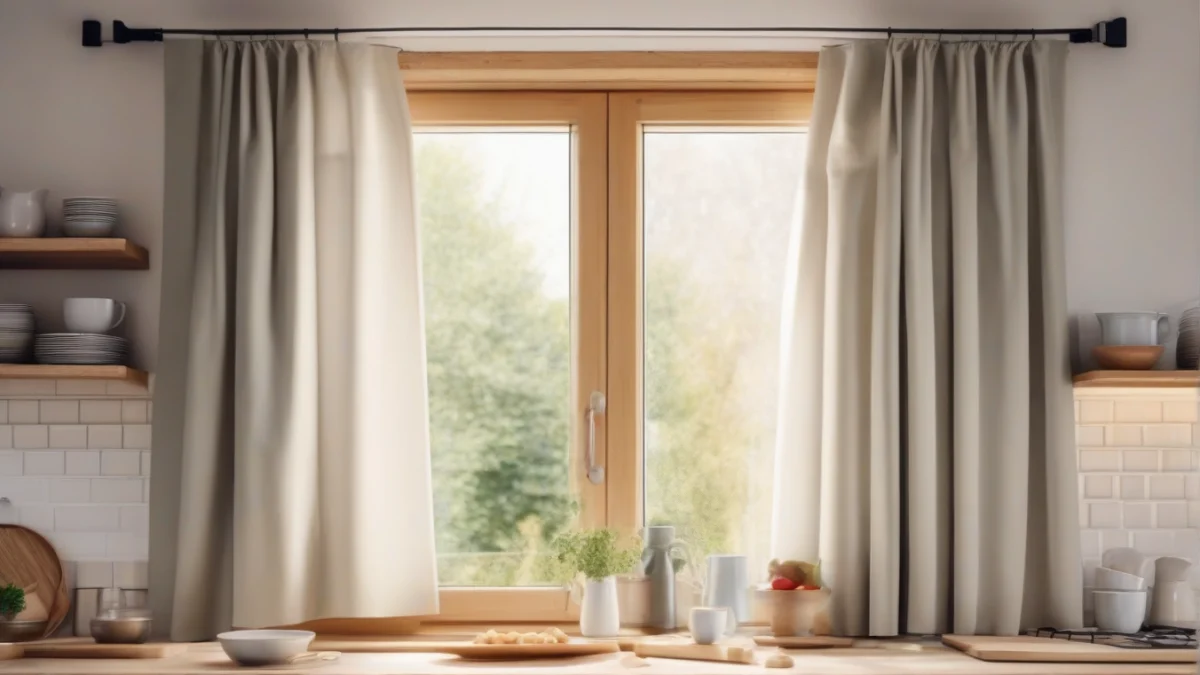
Keeping a kitchen extension warm in winter starts with stopping heat loss. Thermal curtains block cold drafts at windows and trap heat inside when drawn after dark. Use heavy, insulated curtains sized to cover the entire window and close them fully.

Drafts are common around door frames, window sills, and gaps under kitchen stove extractor fans. Use weatherstripping tape or foam seals to close gaps around doors and windows. For extractor fans, ensure the vent has a backdraft damper to prevent cold air from entering when the fan is off.
Thermal mass helps hold heat longer. Materials like tile or stone floors absorb heat from sunlight or heating systems during the day and release it slowly as the room cools. If your extension has tile floors, add rugs to reduce cold feet and improve comfort.
Choosing the Right Heating System for Your Kitchen
Infrared heaters warm objects and people directly, making them efficient for quick, targeted heat. Convection heaters warm the air, which then circulates. Infrared is best for short use or spot heating; convection suits whole-room warmth over longer periods.
Oil-filled radiators provide steady, lasting heat by warming oil inside the unit, which retains heat after switching off. Ceramic heaters heat the air quickly with a ceramic element and fan. Choose oil radiators for bedrooms or all-night use; ceramic heaters fit bathrooms or quick bursts of heat.
- Heats air quickly with fan
- Lightweight and portable
- Good for small spaces and quick heat
- Stops heating immediately when off
- Fan noise can be distracting
Replace old heaters if they show signs of damage, inconsistent heating, or lack modern safety features like tip-over and overheat protection. Newer models run more efficiently and reduce fire risk.
Hybrid heating systems combine types, such as infrared panels with convection heaters. This mix gives quick warmth where needed and steady background heat, lowering energy use and improving comfort.
Frequently Asked Questions
What are the best insulation options for a kitchen extension?
How can I reduce heat loss through windows and doors?
Is it safe to use a portable heater in my kitchen extension?
What are the benefits of infrared heating panels?
How do I calculate the running costs of my kitchen heater?
What heating system is best for a poorly insulated kitchen?
Readers in this position usually ask about keeping cloakrooms comfortable as well.
Before you buy anything, it is worth looking at how to warm a winter office. Readers in this position usually ask about kitchen heater options as well.
