
You walk into your laundry room and a chill hits you. It’s more than just uncomfortableit’s a problem. A cold laundry room slows drying times, can damage appliances, and in winter, risks frozen pipes. If your space is also a damp laundry room, that cold air holds moisture, leading to condensation on walls and a musty smell. Whether it’s an unheated utility room, a basement laundry, or a garage laundry room, the issue is common. But it’s also solvable.
This guide will walk you through practical, effective warming solutions. We’ll cover quick fixes you can do this weekend and long-term investments for permanent comfort. You’ll learn how to manage moisture, improve energy efficiency, and create a space that works year-round. For immediate relief while you plan bigger projects, a targeted supplemental heater can make a world of difference. Many find a compact, safe option like the DREO Space Heater perfect for taking the edge off a cold utility room quickly.
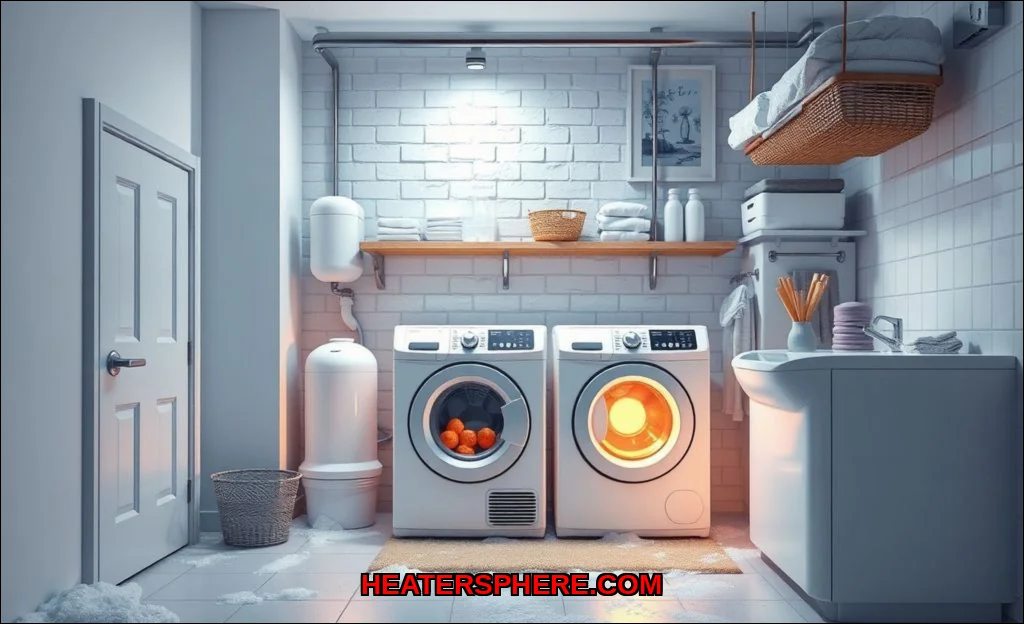
Why Your Laundry Room Gets So Cold
Understanding the “why” is the first step to a lasting fix. Laundry rooms are often afterthoughts in home design, placed in spaces with little consideration for thermal comfort.
Common Culprits of the Chill
Several factors conspire to make your laundry room the coldest spot in the house. Poor or missing insulation in exterior walls, floors (especially above crawl spaces), and ceilings is the prime suspect. Single-pane windows or poorly sealed doors are major heat losers. Another key issue is thermal bridgingwhere structural elements like wood studs or concrete slabs conduct heat directly from the warm inside to the cold outside, bypassing insulation entirely. We cover cold room solutions in its own guide.
Ventilation is a double-edged sword. Your dryer needs to exhaust moist air, but that often means cutting a large hole in your home’s thermal envelope. If that exhaust isn’t properly sealed or if you have other gaps, cold air pours in. In a basement laundry or garage laundry room, you’re dealing with surfacesconcrete floors and foundation wallsthat are inherently cold and often damp. This combination of factors creates the perfect storm for a winter laundry room that feels more like a walk-in refrigerator.
Quick Fixes for Immediate Warmth
You don’t have to undertake a major renovation to feel a difference. These strategies can boost the temperature in a matter of hours.
- Seal the Gaps: Use weatherstripping around the door to the room and caulk around windows, baseboards, and where pipes or wires enter. A simple door draft stopper can block cold air from sneaking under the door.
- Manage Your Dryer Vent: Ensure the exterior dryer vent flap closes tightly when not in use. Consider installing an insulated dryer vent box if the vent is on an exterior wall to reduce cold air infiltration.
- Use a Supplemental Heater: A portable electric heater is the fastest way to add heat. For focused, immediate warmth in a small area while you’re working, a ceramic or infrared heater works well. For longer, more consistent background heat in an unheated utility room, an oil-filled radiator is a safe, energy-efficient choice. Remember to always follow safety guidelines: keep heaters three feet from flammables and never leave them unattended.
- Rethink Laundry Habits: Run your dryer in the evening when the rest of the house is warmer. The heat from the dryer will help warm the room. Also, avoid leaving wet clothes in the room, as they cool the air through evaporation.
For more targeted advice on using heaters effectively in these tricky spaces, our guide on tips for warming up cold utility rooms dives deeper into placement and selection.
Long-Term Insulation & Heating Solutions
For a permanent fix, you need to address the structure of the room itself. This is where you stop fighting the cold and start building a barrier against it.
Upgrading Insulation
Proper insulation is your best defense. Start with the easiest areas to access: the attic space above the room or the crawl space below. Adding batt insulation (like fiberglass) is a common DIY project. For walls, injection foam or blown-in insulation can be added with minimal disruption. If you have exposed foundation walls in a basement laundry, installing rigid foam board insulation directly against the concrete is highly effective. It insulates and acts as a vapor barrier to control moisture from the wall.
Permanent Heating Options
When insulation alone isn’t enough, consider a dedicated heat source. For the detail, see our notes on how to heat a drafty bathroom and keep it warm.
- Electric Baseboard Heaters: These are a straightforward install for zonal heating. You can control them with a separate thermostat for the laundry room.
- Ductless Mini-Split Heat Pump: While an investment, this is one of the most energy-efficient ways to both heat and cool a space. It’s ideal for a garage conversion or a large basement area.
- Radiant Floor Heating Mats: For a luxurious and effective solution, electric mats can be installed under tile, vinyl, or laminate flooring. They provide even, comfortable heat from the ground upperfect for a room where you often stand.
- Smart Thermostats for Zonal Heating: If you add any permanent electric heat, pair it with a smart thermostat. You can schedule it to warm the room only before you do laundry, saving energy. Some even have freeze protection settings to prevent pipes freezing.
Choosing the right permanent heater depends heavily on your room’s size and construction. For example, the needs of a cold extension room differ from a basement, so it’s wise to explore specific solutions.
Managing Moisture & Ventilation
A cold room is often a damp laundry room. Controlling humidity is critical for comfort, preventing mold, and protecting your appliances.
Reduce Humidity at the Source
Your dryer is the biggest moisture producer. First, always vent it to the outsidenever into the room. Use a short, straight, metal duct and clean the lint trap and vent line regularly to maintain proper airflow. For additional ventilation solutions, consider installing an exhaust fan, similar to a bathroom fan, that you can run during and after drying loads to expel humid air.
Advanced Moisture Control
If condensation on windows or walls is a persistent issue, you need to lower the room’s overall humidity level.
- Use a Dehumidifier: A portable dehumidifier is the most direct tool to reduce humidity laundry rooms generate. Running it will make the air feel warmer and drier, and it helps protect your metal appliances from rust.
- Heat Recovery Ventilators (HRVs): For a whole-house approach in tightly sealed homes, an HRV is a superb but advanced solution. It exchanges the stale, humid indoor air with fresh outdoor air, but recovers heat from the exhaust stream in the process. This provides fresh air without the massive energy penalty, addressing condensation in laundry room environments at a systemic level.
Balancing warmth and fresh air is a key principle of an efficient home. The U.S. Department of Energy offers a great resource on home heating system fundamentals that covers these integrated concepts.
Safety Considerations & Energy Efficiency
Warming a laundry room introduces new risks. A safe room is a warm room you can trust.
Non-Negotiable Safety Rules
If you use a portable heater, plug it directly into a wall outletnever an extension cord. Maintain a three-foot kid-, pet-, and clutter-free zone around it. Install smoke and carbon monoxide detectors in or near the room. If you’re adding insulation, be aware of electrical wiring and fixtures; some types of insulation cannot touch certain fixtures (check building codes).
Maximizing Your Energy Investment
Every dollar you spend on heat should stay in the room as long as possible.
| Solution | Energy Efficiency Benefit |
|---|---|
| Insulation & Sealing | Reduces heat loss, making any heat source more effective. |
| Programmable/Smart Thermostat | Heats room only when needed, avoiding waste. |
| Heat Pump Mini-Split | Provides over 300% efficiency (moves heat, doesn’t just create it). |
| Radiant Floor Heat | Heats objects and people directly, allowing for lower air temps. |
The goal is a system that works together. Seal the envelope first, then add efficient, controlled heat. This is the blueprint for how to keep a laundry room warm in winter without seeing your energy bill skyrocket.
A cold, damp laundry room is a solvable problem. Start with the quick wins: seal drafts, use a targeted heater like the DREO Space Heater for immediate relief, and run a dehumidifier. Then, plan your long-term attack based on your budget and room type. Whether it’s adding foam board insulation to basement walls or installing a dedicated mini-split, the right combination of insulation, controlled heat, and moisture management will transform that chilly chore zone into a comfortable, functional part of your home. You’ll protect your appliances, your pipes, and your patience.
