
As temperatures drop, finding a reliable and safe space heater becomes essential. UL 1278 certification guarantees that a heater has met rigorous safety standards, making it a wise choice for consumers.
In this roundup, we feature the best UL 1278 certified space heaters, highlighting their unique features and safety certifications to help you make an informed decision.
Comparison of UL 1278 Certified Space Heaters
| Product | Best for | Power (W) | Heat Settings | Size | Weight | Price |
|---|---|---|---|---|---|---|
| DREO Space Heater Portable Electric Heater with Thermostat | Best Overall | 1500 | Multiple including Power heat, ECO, Fan Only | — | — | Check price |
| DREO 1500W Indoor Space Heater with Thermostat | Quietest Operation | 1500 | Smart ECO mode with low 1000W and high 1500W | — | — | Check price |
| DREO Atom One Portable Electric Heater with Thermostat | Fast Heat Delivery | 1500 | Adjustable thermostat 41-95℉ | — | — | Check price |
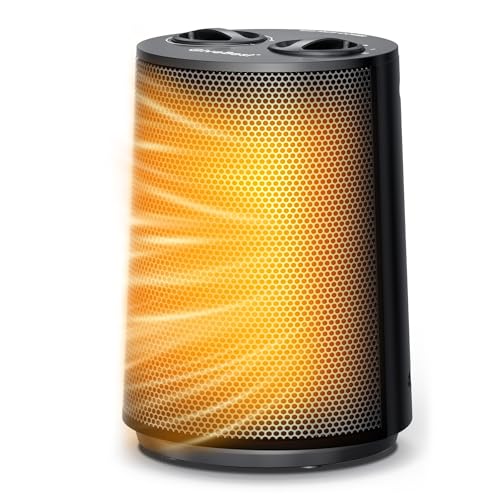
| GiveBest 1500W Portable Ceramic Space Heater | Best Budget | 1500 | Fan, 900W Low, 1500W High | 6.4″ x 6.4″ x 8.9″ | 6.4 lbs | Check price |
| Amaze Electric Wall Heater Classic Convection | Best for Large Rooms | 450 / 900 | Dual wattage | 22″ x 18″ | — | Check price |




Top Picks for UL 1278 Certified Space Heaters
DREO Space Heater Portable Electric Heater with Thermostat
- Power (W)1500
- Heat SettingsMultiple including Power heat, ECO, Fan Only
- Size—
- Weight—
- Powerful 1500W heating with wide heat circulation
- Precise thermostat control with 1℉ increments
- Advanced tip-over sensor and flame retardant materials
- Quiet operation at 34dB suitable for bedrooms
- No detailed weight or size specs provided
- Remote control and timer features may be more than some need
DREO 1500W Indoor Space Heater with Thermostat
- Power (W)1500
- Heat SettingsSmart ECO mode with low 1000W and high 1500W
- Size—
- Weight—
- ETL-certified with multiple safety features
- Wide 70° oscillation for uniform heating
- Smart ECO mode for energy savings
- Quiet at 34dB with reduced wind noise
- No remote control included
- Size and weight details not specified
DREO Atom One Portable Electric Heater with Thermostat
- Power (W)1500
- Heat SettingsAdjustable thermostat 41-95℉
- Size—
- Weight—
- Rapid heating with 1500W power
- Wide oscillation for broad heat coverage
- Digital thermostat with fine temperature control
- Safety features include tip-over and overheat protection
- Slightly louder than other DREO models at 37.5dB
- No weight or size specifications given
GiveBest 1500W Portable Ceramic Space Heater
- Power (W)1500
- Heat SettingsFan, 900W Low, 1500W High
- Size6.4″ x 6.4″ x 8.9″
- Weight6.4 lbs
- Instant heat with advanced ceramic technology
- Compact, portable design with handle
- Multiple safety protections including auto shut-off
- Quiet operation at 45dB
- Noise level higher than premium models
- Smaller coverage area around 200 sq ft
Amaze Electric Wall Heater Classic Convection
- Power (W)450 / 900
- Heat SettingsDual wattage
- Size22″ x 18″
- Weight—
- Wall mount or freestanding with DIY kit
- Dual wattage for flexible heating
- Silent convection heat without dust recirculation
- UL 1278 certified with safety cutoffs
- Lower maximum wattage than portable heaters
- No oscillation or fan for faster heat spread
What to Look for in UL 1278 Certified Space Heaters
Choose a space heater with UL 1278 certification for verified safety and performance. This standard requires features like tip-over protection and overheat shut-off to prevent fires and accidents. These safety features must cut power automatically if the heater falls or gets too hot.
Heating power is key. Match the heater’s wattage to your room size to avoid under- or over-heating. A 1,500-watt heater is common for rooms up to 150 square feet. Efficiency ratings show how well the heater converts electricity into heat; higher efficiency means lower energy bills.
Noise level matters, especially in bedrooms or offices. Look for models rated as quiet or with noise levels under 50 decibels. Some heaters use ceramic plates or oil-filled radiators which run more quietly than fan-forced heaters.
- Check CertificationVerify the heater is UL 1278 certified to ensure it meets strict safety standards.
- Match Power to Room SizeSelect wattage based on room square footage: about 10 watts per square foot is a good rule.
- Look for Safety FeaturesConfirm the model has tip-over and overheat shut-off protection.
- Consider Noise LevelIf quiet operation matters, choose a model designed for low noise.
Sizing and Heat Output for Space Heaters
How many watts do you need for a room? Use about 10 watts per square foot as a starting point. For example, a 150-square-foot room needs a 1,500-watt heater. This calculation assumes average ceiling height and insulation.
BTUs measure heat output differently but relate to watts by 3.41 BTU per watt. A 1,500-watt heater produces about 5,115 BTUs. Larger rooms need higher BTU output or multiple heaters.
Consider room conditions: poorly insulated or drafty rooms require more power. Cold floors, high ceilings, and many windows increase heat loss. Add 20% more wattage for these cases.
Place heaters near where people spend time, but keep at least 3 feet of clearance from furniture and curtains. Positioning near a cold wall or window can help counteract drafts.
| Appliance | Watts | Per hour | Per day (8 h) | Per month (30 days) |
|---|---|---|---|---|
| 1,500 W space heater | 1,500 W | 26¢ | $2.04 | $61.20 |
| Heated blanket | 100 W | 1.7¢ | 14¢ | $4.08 |
Understanding Running Costs of Space Heaters
The cost to run a space heater depends on its wattage, how long you use it, and your electricity rate. A 1,500-watt heater running for one hour uses 1.5 kilowatt-hours (kWh) of electricity. Multiply that by your utility’s rate per kWh to find the cost. For example, at 17 cents per kWh, running a 1,500 W heater for eight hours costs about $2.04 a day.
| Appliance | Watts | Per hour | Per day (8 h) | Per month (30 days) |
|---|---|---|---|---|
| 1,500 W space heater | 1,500 W | 26¢ | $2.04 | $61.20 |
| Heated blanket | 100 W | 1.7¢ | 14¢ | $4.08 |
Electric space heaters usually run between 750 and 1,500 watts. Oil-filled radiators often use around 1,200 watts but keep radiating heat after they turn off, saving power over time. Ceramic heaters and fan models consume power continuously when on. The running cost is roughly the same for heaters with the same wattage, regardless of type.
Fuel-burning heaters like propane or kerosene can cost less per hour but need ventilation and carbon monoxide alarms. They also require fuel costs and maintenance, which add up differently than electric models.
To save energy, run your heater only in occupied rooms and use a thermostat or timer. Close doors and windows to keep heat in. Lowering the thermostat by just a few degrees can cut costs significantly. Avoid using a space heater as the sole heat source for a whole house; use it to supplement your main heating system.
Safety Standards: Why UL 1278 Certification Matters
UL 1278 certification means a space heater meets strict safety and performance standards set by Underwriters Laboratories. The process tests electrical safety, fire resistance, and operational reliability. It ensures the heater has features that reduce risks like overheating and electrical faults.
Choosing a UL 1278 certified heater guarantees it has passed tests for tip-over protection, overheat shutoff, and safe electrical components. These features lower the chance of fires and electric shocks. UL certification requires manufacturers to follow consistent production standards, so every certified unit offers the same safety level.
Common safety features on UL 1278 heaters include automatic shutoff if the heater tips over or reaches unsafe temperatures. The heaters also use grounded plugs and insulated wiring to prevent electrical hazards. The certification requires clear user instructions and warnings, helping you operate the heater safely.
Heaters without UL 1278 certification may not have reliable safety features or could fail under normal use. Using a UL-certified heater means fewer safety concerns and compliance with most insurance requirements. Always check for the UL mark on the product or packaging before buying.
For more on heater safety features, see our guide to space heaters with auto shut-off safety.
Common Misconceptions About Space Heater Safety
Space heaters can be safe for overnight use, but only if you follow the manufacturer’s instructions and use models designed for continuous operation. Many UL 1278 certified heaters include automatic shut-off features that activate if the unit tips over or overheats, reducing risks during extended use.
A common myth is that space heaters often cause fires. In reality, most heater-related fires result from misuse, such as placing the heater too close to flammable materials or using damaged cords. Proper placement—keeping at least 3 feet of clearance around the heater—and regular inspection of the power cord are crucial to prevent fire hazards.
Overheating is another frequent concern. Modern heaters with UL 1278 certification have built-in overheat protection that automatically shuts the unit off if it gets too hot. This feature prevents damage to the heater and lowers fire risk, so overheating is less likely when using a certified model.
Maintenance matters for safety and efficiency. Dust buildup on heating elements or vents can cause the heater to work harder and increase fire risk. Cleaning the heater regularly according to the manual keeps it running safely and efficiently. Never block air intakes or exhausts, as this can cause overheating.
Placement errors are a leading cause of accidents. Avoid using space heaters on unstable surfaces or near water sources. Never plug a heater into an extension cord or power strip; always use a dedicated wall outlet to handle the high current safely. These steps protect both the heater and your home.
Frequently Asked Questions
What does UL 1278 certification signify?
Why is UL 1278 important for space heater selection?
Are all UL-listed heaters also UL 1278 compliant?
What features complement UL 1278 certification in a premium heater?
How do I maintain my space heater for safety?
Can I use a space heater in a bathroom or kitchen?
If that sounds like your room, read up on efficient heating in tight spaces next.
There is more on best electric home heaters for whole-room warmth in a guide of its own. We cover small bedroom heating options in its own guide.
