
Heating large rooms can be challenging, especially when trying to maintain comfort without skyrocketing energy bills. The right electric heater can provide effective warmth while being energy efficient and safe for use in your home.
Comparison of Large-Room Electric Heaters
| Product | Best for | Wattage | Coverage Area | Noise Level | Safety Features | Price |
|---|---|---|---|---|---|---|
| DREO Space Heater for Large Room ECO | Best Overall | — | 250 sq. ft. | 34 dB | Child-lock, overheat and tip-over protection, cool-touch housing | Check price |
| FLANUR Space Heater for Indoor Use Large Room | Quietest Model | 1500 W | 220 sq. ft. | 23 dB | Tip-over protection, 24h auto off, overheat protection, child lock | Check price |
| Vorspack 100L Extra Large Duffle Bag | Not Related to Heating | — | — | — | — | Check price |
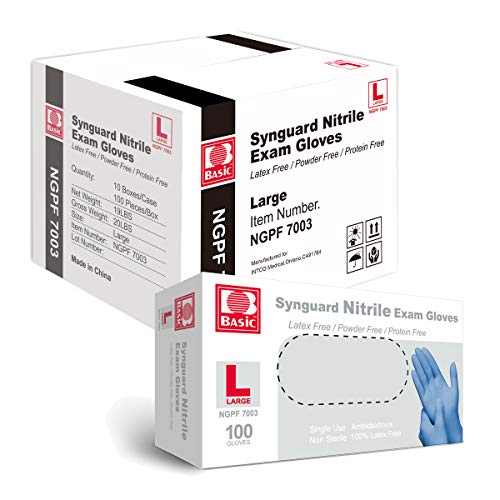
| Basic Medical Blue Nitrile Exam Gloves Large | Not a Heater | — | — | — | — | Check price |
| MedPride Powder-Free Nitrile Exam Gloves Large | Not a Heater | — | — | — | — | Check price |



Top Picks for Large-Room Electric Heaters
DREO Space Heater for Large Room ECO
- Wattage—
- Coverage Area250 sq. ft.
- Noise Level34 dB
- Safety FeaturesChild-lock, safety plug, overheat and tip-over protection, c
- Timer12 hours
- Heats up to 250 sq. ft. efficiently
- Very quiet at 34 dB
- Multiple safety features including child-lock and tip-over protection
- Energy-saving ECO mode reduces costs
- Heavier and larger than some competitors
- No remote control included
FLANUR Space Heater for Indoor Use Large Room
- Wattage1500 W
- Coverage Area220 sq. ft.
- Noise Level23 dB
- Safety FeaturesTip-over protection, 24h auto off, overheat protection, chil
- Timer1-12 hours
- Very quiet at 23 dB on low setting
- Remote control and adjustable timer up to 12 hours
- Multiple safety features including 24h auto off and child lock
- Lightweight and portable with rear handle
- Heats slightly smaller area than some competitors
- No precise temperature control
Vorspack 100L Extra Large Duffle Bag
- Capacity100L
- Material600D polyester
- Size31.5×16.5×11.8 inches
- Large 100L capacity
- Durable polyester material
- Wide webbing for load-bearing
- Not an electric heater
Basic Medical Blue Nitrile Exam Gloves Large
- TypeNitrile exam gloves
- SizeLarge
- Quantity1000 gloves per case
- Latex and powder free
- Smooth finish for tactile feedback
- Bulk packaging for supply
- Not an electric heater
MedPride Powder-Free Nitrile Exam Gloves Large
- TypeNitrile exam gloves
- SizeLarge
- Quantity100 gloves per pack
- Puncture-resistant nitrile
- Latex and powder free
- Textured fingertips for sensitivity
- Not an electric heater
How to Choose the Best Electric Heater for Large Rooms
Start by measuring the room size to match the heater’s capacity. Large rooms often need heaters rated near 1500 watts to deliver enough warmth. For uninsulated rooms, pick a model with higher wattage or supplemental heating to compensate for heat loss.
Look for safety features like tip-over protection and automatic overheat shut-off. These features reduce fire risk and protect the heater during accidents. Models with these protections are safer for homes with pets or children.
Energy efficiency modes help reduce electricity use by adjusting heat output automatically. Choose heaters with multiple heat settings or eco modes to save on running costs, especially for large open-plan spaces that run for hours.
Noise level matters if you want quiet warmth in bedrooms or home offices. Ceramic and oil-filled heaters typically run quieter than fan heaters. Check the decibel rating or user reports if noise is a concern.
For heating a large open-plan 40 m² room in France or similar, a 1500 W heater with adjustable thermostat and fan boost is the most cost-effective option. It balances heating power and electricity use without overloading a standard 120 V circuit.
Sizing and Heat Output for Large Spaces
Calculate your room’s square footage by multiplying length by width. This number guides how much heat you need. For example, a 400 sq ft room requires about 4000 watts of heat output total.
Apply the rule of thumb: 10 watts per square foot for effective heating. A 200 sq ft room needs roughly 2000 watts. Adjust this based on insulation and ceiling height.
High ceilings increase volume and heat loss, requiring more wattage. For rooms over 8 feet tall, add 10% to 20% extra wattage per foot of ceiling height above 8 feet. Poor insulation also demands more heat to maintain comfort.
A 2000 W heater suits rooms around 200 sq ft with standard ceilings and average insulation. Larger or drafty spaces need multiple units or higher wattage models.
| Appliance | Watts | Per hour | Per day (8 h) | Per month (30 days) |
|---|---|---|---|---|
| 1,500 W heater | 1,500 W | 26¢ | $2.04 | $61.20 |
| 2,000 W heater | 2,000 W | 34¢ | $2.72 | $81.60 |
Running Costs of Electric Heaters
Electric heaters use watts to indicate power consumption. To estimate running costs, divide the heater’s wattage by 1,000 to get kilowatts, then multiply by hours used and your local electricity rate. For example, a 1,500-watt heater running 8 hours daily at $0.17 per kWh costs 1.5 × 8 × 0.17 = $2.04 per day.
| Appliance | Watts | Per hour | Per day (8 h) | Per month (30 days) |
|---|---|---|---|---|
| 1,500 W space heater | 1,500 W | 26¢ | $2.04 | $61.20 |
| Heated blanket | 100 W | 1.7¢ | 14¢ | $4.08 |
Look for heaters with energy-saving features like adjustable thermostats and eco modes. These reduce electricity use by cycling the heater on and off to maintain temperature. Ceramic and oil-filled heaters often retain heat longer, lowering runtime and costs.
Electric heaters do not add moisture to a room. They warm air by converting electricity to heat, so the humidity level stays the same unless you use a separate humidifier.
For large water heaters with tanks, anode rods prevent corrosion. They typically last 3 to 5 years but check the manufacturer’s recommendation. Replacing anodes on time extends tank life and prevents leaks that could increase heating costs.
Maintenance affects running costs. Keep heaters clean and free of dust. Dirty heating elements or fans work less efficiently and draw more power. Replace filters or parts as the manual suggests to maintain performance.
Safety and Certification for Electric Heaters
Always choose heaters with UL or ETL certification. These marks confirm the product meets strict safety standards for electrical and fire hazards.
Key safety features include automatic shut-off if the heater tips over or overheats. Cool-touch exteriors prevent burns. Child locks stop accidental changes to settings.
Electric heaters are generally not safe for prolonged unattended operation unless the manufacturer specifically states so. Use timers or smart plugs to limit runtime and avoid fire risks.
Placement matters. Keep heaters at least 3 feet away from furniture, curtains and flammable materials. Avoid blocking the heater’s air intake and outlet to maintain airflow and prevent overheating.
Proper ventilation is important even with electric heaters. They don’t produce carbon monoxide but can dry out air. Use a humidifier or open a window occasionally to keep air quality comfortable.
For heating large spaces efficiently, look for heaters with multiple heat settings and programmable thermostats. These features help maintain steady warmth without wasting electricity or causing safety issues.
If you want to explore more about heater safety and features, check out our guide to the safest large-room space heaters that heat fast.
Common Misconceptions About Electric Heaters
Panel heaters can warm large living areas if they have enough wattage and proper placement. A 1,500-watt panel heater typically covers up to 150 square feet, so for bigger rooms, choose multiple units or a higher-powered model designed for large spaces.
Electric heaters do not add moisture to the air. Unlike fuel-burning heaters, they warm by converting electricity directly into heat without combustion, so they neither humidify nor dry out the room.
Electric heaters are equally efficient regardless of shape or style. A 1,500-watt heater uses the same energy whether it is a panel, ceramic, or oil-filled model. What matters is insulation and draft control, not the heater’s design.
Insulation and drafts have a bigger impact on heater performance than the heater itself. Poorly insulated rooms or open windows let heat escape, forcing the heater to run longer and use more electricity. Improving insulation and sealing drafts reduces running costs and improves comfort.
You cannot chill a large water tank in a loft by using an electric heater. Heaters produce heat; they do not cool. To chill water, you need a refrigeration or cooling system, not a heater.
Frequently Asked Questions
What are the most efficacious electric heaters for large rooms?
What features are paramount for heating a large space efficiently?
Are these electric heaters safe for prolonged, unattended operation?
How do I ascertain the correct heater size for my room dimensions?
Can electric heaters be used in damp areas?
What is the expected lifespan of a large electric heater?
If that sounds like your room, read up on top small heaters next.
We cover best heaters for entire homes in its own guide.
