
Is your sunroom feeling chilly during colder months? Choosing the right heater can transform it into a comfortable retreat. This guide highlights the best heaters specifically designed for sunrooms, ensuring warmth and efficiency.
Heater Features Comparison
| Product | Best for | Heat Settings | Power Output | Size | Safety Features | Price |
|---|---|---|---|---|---|---|
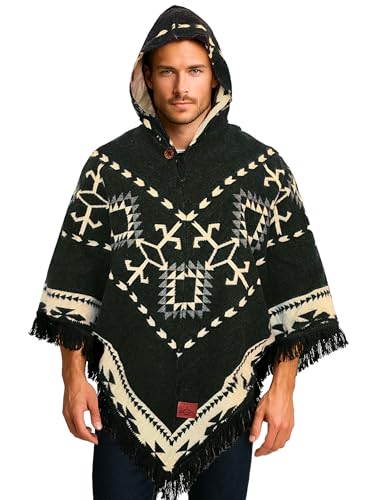
| My Cozy Choice Alpaca Poncho Men Hooded | Best for Warmth | — | — | 50″ x 82.5″ | — | Check price |
| My Cozy Choice Wool Poncho Men Hooded | Best Lightweight Wrap | — | — | One size fits most | — | Check price |
| Doctor’s Choice Men’s Sleeping Socks 8-15 mmHg | Best for Foot Warmth | — | — | — | — | Check price |


Top Heaters for a Cozy Sunroom
My Cozy Choice Alpaca Poncho Men Hooded
- Material70% alpaca wool, 30% recycled Orlon
- Size50″ x 82.5″
- CareMachine wash cold, tumble dry low
- StyleHooded, Clint Eastwood inspired
- Weight—
- Soft and warm with natural thermal control
- Machine washable without shrinkage
- Generous coverage size 50″ x 82.5″
- Handmade supporting fair trade
- Not an electric heater, so less effective in very cold rooms
- One size may be loose for smaller builds
My Cozy Choice Wool Poncho Men Hooded
- Material50% alpaca wool, 50% recycled Orlon
- Weight1.2 lb
- CareMachine wash cold, tumble dry low
- StyleHooded with coconut buttons
- SizeOne size fits most (S–XXL)
- Lightweight and packable at 1.2 lb
- Machine washable and durable
- Thermoregulating and breathable
- Handmade with sustainable materials
- Less coverage than larger poncho
- Not a direct heat source for very cold spaces
Doctor’s Choice Men’s Sleeping Socks 8-15 mmHg
- Compression8-15 mmHg
- Material95% Nylon, 5% Spandex
- SizeMen’s shoe 8-12, Women’s 10-13
- UseSleeping and lounging
- Weight—
- Soft, warm, and fuzzy fabric
- Provides mild compression for circulation
- Helps reduce leg swelling and discomfort
- Suitable for sleep and relaxation
- Not a heater for room warming
- Limited to foot and leg warmth
How to Choose the Right Heater for Your Sunroom
Start by measuring your sunroom’s square footage. The heater you pick must cover that area efficiently to maintain a comfortable temperature. Check the coverage area listed in the heater’s specifications; this guides you toward the right size.
Choose between infrared and forced air heaters based on your use. Infrared heaters warm objects and people directly, making them ideal for quick, focused heat. Forced air models circulate warm air, which suits larger or draftier sunrooms.
Energy efficiency matters. Look for heaters with Energy Star ratings or similar certifications to avoid high electricity bills. Safety certifications like UL or ETL ensure the heater meets electrical safety standards.
For a kitchen sunroom, go with a forced air heater. It distributes heat evenly, which is helpful around cooking areas where heat rises and spreads. Students benefit from compact infrared heaters that provide spot warmth without noise or drafts.
| Heater Type | Best For | Key Feature |
|---|---|---|
| Infrared | Small sunrooms, quick spot heating | Direct radiant heat |
| Forced Air | Larger sunrooms, kitchens | Even air distribution |
- Measure Your SpaceCalculate the square footage of your sunroom to match with heater coverage.
- Select Heater TypeChoose infrared for spot heating or forced air for whole-room warmth.
- Check CertificationsVerify energy efficiency and safety certifications on the model.
- Confirm Use CaseConsider kitchen or student needs to pick the right heater style.
Understanding Heat Output and Room Size
Heat output is measured in BTUs or watts. One watt equals about 3.41 BTUs. The higher the BTU rating, the larger the space the heater can warm effectively.
Match the heater’s output to your sunroom’s size. A small sunroom around 100 square feet needs about 5,000 BTUs. Larger rooms up to 300 square feet require heaters rated 10,000 to 15,000 BTUs.
Insulation and window quality affect heat retention. Sunrooms often have large windows that lose heat quickly. Better-insulated rooms need less output; poorly insulated or drafty spaces require a more powerful heater.
Heater gaps can cause uneven warmth. Position your heater to avoid cold spots near doors or windows. Avoid placing heaters in damp areas; electric models are not designed for moisture and risk damage or safety hazards.
| Room Size (sq ft) | Recommended BTU Range | Notes |
|---|---|---|
| Up to 100 | 5,000–6,000 | Small, well-insulated |
| 100–200 | 6,000–10,000 | Average sunroom |
| 200–300 | 10,000–15,000 | Large or poorly insulated |
| Appliance | Watts | Per hour | Per day (6 h) | Per month (30 days) |
|---|---|---|---|---|
| 1,500 W heater | 1,500 W | 23¢ | $1.35 | $40.50 |
| 600 W heater | 600 W | 9.0¢ | 54¢ | $16.20 |
Safety Features to Look For
Some sunroom heaters do not need electricity. Propane or kerosene models run on fuel, but only indoor-rated types with proper ventilation and a working carbon monoxide alarm are safe inside. Never use outdoor-only heaters indoors.
Most electric heaters have built-in safety features to prevent fires and accidents. Overheat protection shuts the heater off if internal temperatures get too high. Tip-over shutoff stops the heater if it falls, reducing fire risk.
Choose heaters with UL or ETL certification. These labels mean the heater meets strict safety standards tested by independent labs. Certification is your first check for reliable safety features.
The heater’s material and build quality matter. Metal housings usually withstand heat better than plastic. Look for sturdy construction and a stable base to avoid tipping.
| Safety Feature | What It Does |
|---|---|
| Overheat protection | Shuts off heater if it overheats |
| Tip-over shutoff | Turns heater off if knocked over |
| UL or ETL certification | Verified safety compliance |
| Stable build and materials | Reduces fire risk and tipping |
Cost of Running Your Heater
Calculate running cost with this formula: watts ÷ 1,000 × hours used × local electricity rate. For example, a 1,500-watt heater running 8 hours at $0.17 per kWh costs 1,500 ÷ 1,000 × 8 × 0.17 = $2.04 per day.
Electric space heaters convert nearly all electricity into heat, so wattage directly relates to energy use. Choose a heater with adjustable settings to avoid wasting energy heating beyond your sunroom’s needs.
Usage patterns affect costs. Running a heater continuously all day costs more than using it for a few hours. A timer or thermostat helps control run time and expense.
Among our top picks, the Dr. Infrared Heater DR-968 is energy efficient with dual heating elements, providing strong heat without maxing out power draw. It suits frequent use in medium to large sunrooms.
| Appliance | Watts | Per hour | Per day (8 h) | Per month (30 days) |
|---|---|---|---|---|
| 1,500 W space heater | 1,500 W | 26¢ | $2.04 | $61.20 |
| Heated blanket | 100 W | 1.7¢ | 14¢ | $4.08 |
Unique Features of Our Top Picks
The Dr. Infrared Heater DR-968 uses infrared heating technology, which warms objects and people directly instead of just heating the air. This method provides cozy heat quickly and maintains it efficiently, cutting energy waste in a sunroom where air can escape through windows.
Design-wise, this heater includes a built-in thermostat and multiple heat settings. These features let you dial in the temperature precisely, preventing overheating and lowering electricity use. Its remote control and caster wheels add convenience, making it easy to move and adjust from anywhere in the room.
Propane heaters like the Cozy Heat model stand out for their fuel source rather than electric power. Reviews highlight their strong heat output and portability, but they require ventilation and a carbon monoxide alarm for safe indoor use. These heaters are a good choice if your sunroom lacks electrical outlets or during power outages.
PTQ heaters, a type of propane unit, offer compact size and quick heat but need strict adherence to safety guidelines. They typically include automatic shut-off features that activate if tipped over or if oxygen levels drop too low.
| Feature | Dr. Infrared Heater DR-968 | Cozy Heat Propane Heater (PTQ) |
|---|---|---|
| Heating Technology | Infrared radiant heat | Propane combustion heat |
| Safety Features | Tip-over and overheat protection, thermostat | Automatic shut-off, requires ventilation |
| Portability | Caster wheels, remote control | Lightweight, easy to move |
| Energy Efficiency | Direct radiant heat reduces waste | No electric usage, runs on propane |
| Best Use | Sunrooms with electrical access | Sunrooms without electric or backup heat |
Frequently Asked Questions
What is the best heater for a sunroom?
How do I determine the right heater size for my sunroom?
Are infrared heaters effective for sunrooms?
What safety features should I look for in a heater?
How much does it cost to run a space heater?
Can I use a propane heater in my sunroom?
If that sounds like your room, read up on dorm room heating solutions next.
If that sounds like your room, read up on keeping bathrooms warm next. There is more on ensuring heater safety in a guide of its own.