
Icy walls in winter can make your home feel uncomfortable and cold. Understanding the causes and effective fixes can help you create a warmer living environment.
Walls Feel Very Cold in Winter
Your walls feel very cold in winter because of heat loss through the building envelope. Cold walls often mean heat escapes through poor insulation, thermal bridging, or moisture issues inside the walls.
In an old brick house, inside walls become icy cold because brick and mortar absorb and lose heat rapidly. Without proper insulation, the walls act like a cold surface that pulls heat from your room.
Thermal bridging happens when a material with high thermal conductivity, like metal or wood framing, passes through insulation. This creates a direct path for heat to escape, making wall surfaces colder.
Insulation problems worsen cold walls. Missing, compressed, or damaged insulation layers reduce a wall’s ability to keep indoor heat in. This leaves wall surfaces cold to the touch and increases heating costs.
Condensation and moisture inside walls also cause coldness. When warm indoor air meets cold wall surfaces, moisture condenses and can soak into materials. Wet insulation loses effectiveness and cold spots become icy patches.
Immediate Actions to Warm Up Cold Walls
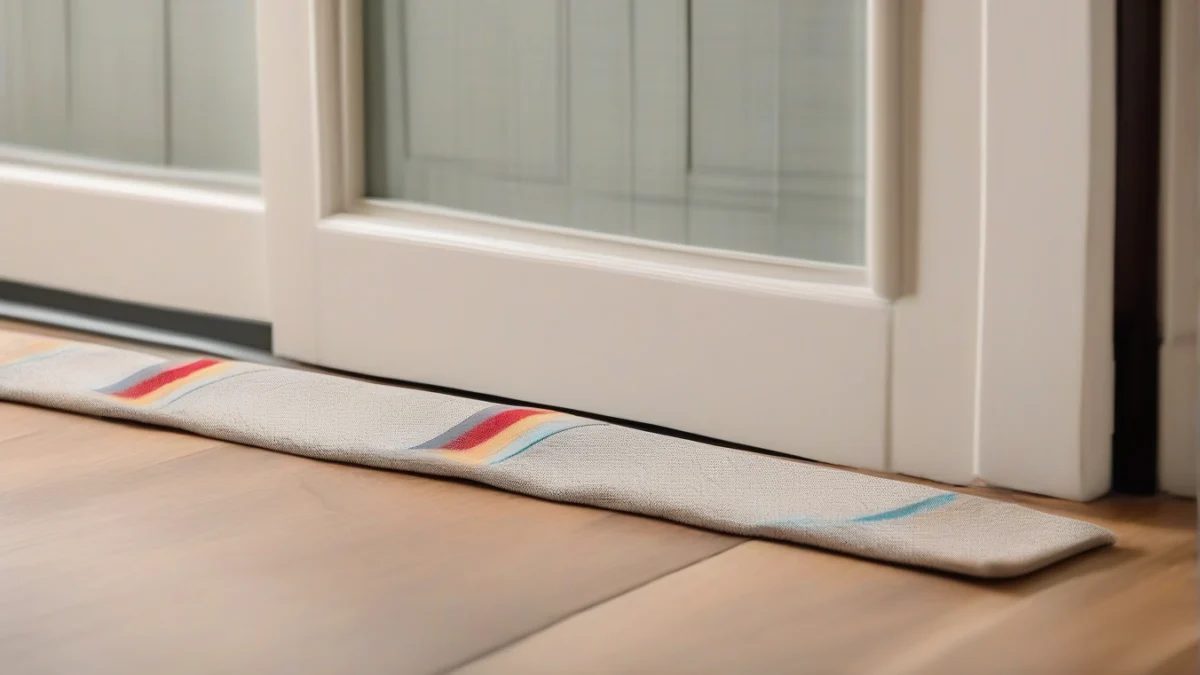
- Seal Air LeaksCheck for gaps around windows, doors, and outlets near cold walls. Use weatherstripping and caulk to block drafts that cool the walls and room.
- Add Temporary InsulationHang thick curtains or insulated panels on cold walls to reduce heat loss. Removable foam boards or thermal wallpaper can help in a pinch.
- Manage HumidityUse a dehumidifier or exhaust fans to keep indoor humidity at 30-50%. Lower humidity reduces condensation on cold wall surfaces.
- Increase Room TemperatureUse a portable electric heater safely to warm the air near cold walls. Keep at least 3 feet of clearance and never leave it unattended.
These quick fixes reduce the cold sensation on walls and in rooms. For a more permanent solution, improving insulation and addressing structural causes is necessary. Learn more about heating cold rooms effectively in why is my room so cold.
When to Call a Professional for Icy Walls
Old brick houses often have icy cold inside walls in winter because they lack modern insulation and can trap moisture. If your bedroom wall feels especially cold in the morning, it may indicate heat loss combined with condensation or dampness inside the wall cavity.
- Check for Visible DamageLook for cracks in the walls, peeling wallpaper, or discoloration that could indicate water intrusion or insulation failure.
- Monitor Wall TemperatureUse a handheld infrared thermometer to identify cold spots that may indicate missing or degraded insulation.
- Inspect for Mold or MildewVisible mold or a musty smell means moisture is trapped inside the wall and requires professional assessment.
Different problems require different experts. For insulation upgrades or repairs, hire a certified insulation contractor. For moisture intrusion, a building envelope specialist or a licensed contractor can diagnose leaks and recommend fixes. If mold is present, a mold remediation professional should be consulted.
In some cases, a home energy auditor can perform a blower door test and thermal imaging scan to pinpoint air leaks and insulation gaps that cause icy walls. This helps target repairs effectively.
Understanding Insulation and Its Importance
Insulation slows heat flow through walls, keeping indoor surfaces warmer in winter. Its effectiveness is measured by R-value, which indicates resistance to heat transfer. Higher R-values mean better insulation and warmer walls.
Older homes often have low or no insulation in walls, or the insulation has settled or degraded over time. This causes rooms to feel cold, especially on exterior walls.
Hallways can be colder than other rooms because they often have less insulation, fewer heat sources, and more exterior walls or doors letting cold air in.
- Assess Insulation ConditionCheck wall cavities with a borescope or infrared camera for missing or damaged insulation.
- Plan UpgradesAdd insulation with a higher R-value appropriate for your climate zone to improve wall temperature.
- Seal Air LeaksCombine insulation upgrades with sealing leaks around windows, doors, and outlets to maximize warmth.
Proper insulation paired with air sealing reduces heat loss, raises wall surface temperature, and improves overall comfort in your home. This explains why some rooms feel colder and highlights the importance of good insulation for winter warmth.
Frequently Asked Questions
What causes cold walls in winter?
How can I check for air leaks in my home?
What is thermal bridging?
How does humidity affect wall temperature?
When should I consider replacing insulation?
What are the signs of moisture damage on walls?
If that sounds like your room, read up on stopping drafts through vents next.
It helps to understand loft vent heat loss solutions before spending anything. The other half of this decision is staying warm in winter.
