
Keeping your home warm without incurring high energy bills is a common challenge. The efficiency of your heater plays a crucial role in determining how much you spend on heating.
Choosing the right type of heater can significantly impact your comfort and energy costs. Understanding how different heaters work and their suitability for your specific situation is essential.
Most Energy Efficient Heater Types
The most energy efficient heaters convert nearly all the power they draw into heat with minimal waste. Electric heaters like oil-filled radiators and ceramic heaters rank high in efficiency because they use electricity directly and have design features that retain or focus heat effectively.
Energy efficiency in heating means using the least electricity or fuel to produce the amount of warmth you need. This depends on the heater’s technology and how well it delivers heat to the space without losses.
Infrared heaters work by sending heat directly to objects and people in their path, rather than heating the air. This can feel warmer faster in a small area, but the effect drops off quickly outside the beam. Infrared is very efficient at converting electricity to radiant heat, but it suits spot heating more than whole rooms.
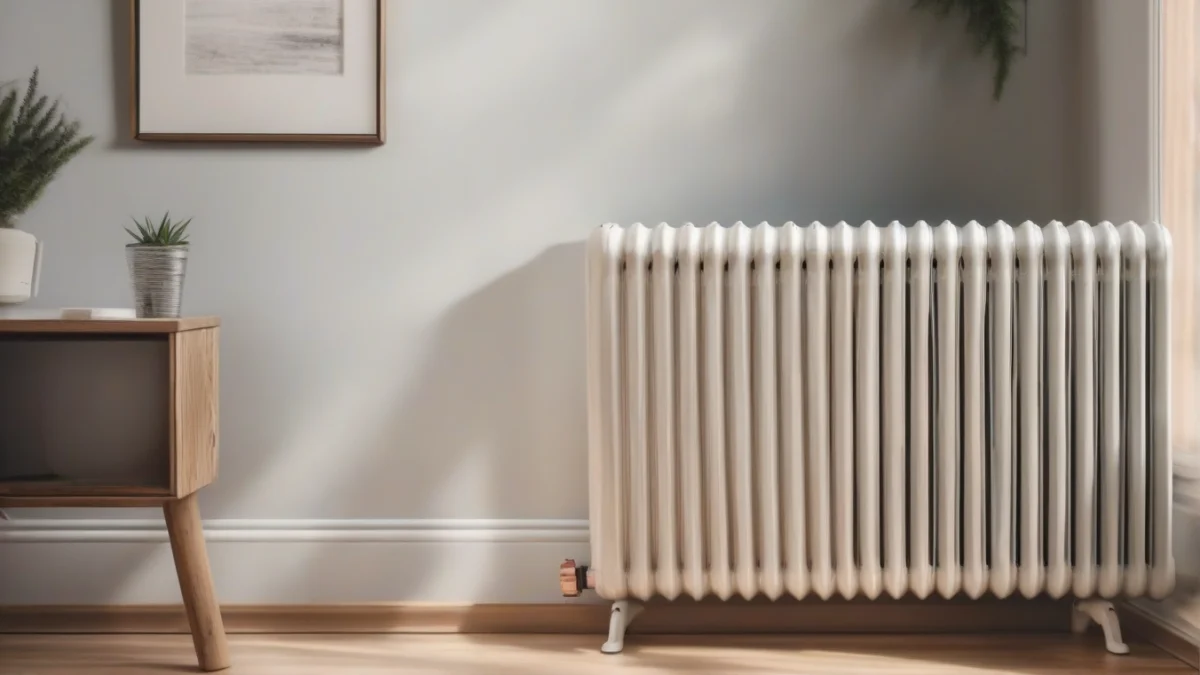
Oil-filled radiators heat a sealed reservoir of oil inside the unit. Electricity warms the oil, which in turn radiates heat steadily over time. They take longer to warm up but keep heating the room even after switching off, thanks to the oil’s heat retention. This makes them efficient for continuous, gentle heating.
Ceramic heaters use electric coils that heat ceramic plates. A fan blows air over these plates, spreading warm air quickly. Ceramic heaters often have thermostats and multiple heat settings, which help maintain room temperature efficiently. They are energy efficient for short-term heating and rooms up to about 150 square feet.
| Heater Type | Operation | Efficiency Notes | Best Use |
|---|---|---|---|
| Infrared | Radiates heat directly to objects | Very efficient for spot heating; less for whole rooms | Small areas or personal heating |
| Oil-Filled Radiator | Heats oil inside unit that radiates heat | Efficient for steady, long-term heating; retains heat after off | Bedrooms or rooms heated for hours |
| Ceramic Heater | Electric coils heat ceramic plates; fan spreads heat | Efficient for quick, controlled heating; thermostat controls usage | Small to medium rooms; short-term use |
Are ceramic heaters energy efficient? Yes, they are. Ceramic heaters convert nearly all the electricity they use into heat and their fan helps spread warmth evenly. Their thermostat control prevents wasted energy by turning off the heating element when the room reaches the set temperature.
Comparing an oil-filled radiator and a fan heater with thermostats heating the same room for four hours shows that both use similar energy amounts to maintain temperature. The oil-filled model heats more slowly but keeps radiating heat after switching off, while the fan heater heats quickly but cycles on and off more frequently. Neither wastes much energy if the thermostat is set properly.
Panel heaters heat a flat surface that warms the air by convection. They turn on and off based on a thermostat and provide steady, quiet heat. Compared to oil-filled heaters, panel heaters warm rooms faster but don’t retain heat after turning off. Choose a panel heater for rooms you use intermittently or for supplemental heating. Oil-filled radiators suit bedrooms or spaces you heat continuously.
Use a panel heater if you want quick warmth and quiet operation in a smaller or well-insulated space. Pick an oil-filled radiator if you want a slow, steady heat that lasts even when the heater cycles off. Both types are energy efficient when used with a thermostat and sized correctly for the room.
Understanding these differences helps pick the right heater for your needs and avoid wasting electricity. For more on panel versus oil heaters and ceramic models, see panel heater vs oil heater and ceramic heater vs fan heater.
Calculating Running Costs for Heaters
The cheapest heater to run is one that matches your room size and insulation, running only as long as needed. Electric heaters convert nearly all their electricity into heat, so cost depends mainly on power use and duration. Curtains reduce energy loss by trapping warm air near windows, cutting heat escape and lowering the heater’s workload.
Calculate running cost with this formula: watts ÷ 1,000 × hours used × electricity price per kWh. For example, a 1,500-watt heater running 8 hours daily at 17¢ per kWh costs 1.5 × 8 × 0.17 = $2.04 per day. Monthly, that adds to about $61.20.
| Appliance | Watts | Per hour | Per day (8 h) | Per month (30 days) |
|---|---|---|---|---|
| 1,500 W space heater | 1,500 W | 26¢ | $2.04 | $61.20 |
| Heated blanket | 100 W | 1.7¢ | 14¢ | $4.08 |
The most efficient way to add heat to a laundry room depends on usage. A ceramic heater with a fan warms quickly and is best for short bursts. An oil-filled radiator holds heat longer, good if you run heat through the laundry cycle and want residual warmth after.
Several factors influence overall running costs: room size, heater wattage, insulation quality, and how long the heater runs. Drafts and poor insulation force the heater to work harder. Using thick curtains or thermal blinds at night cuts heat loss through windows, trimming costs. Also, avoid running a high-watt heater longer than needed.
- Measure heater wattageCheck the heater’s power rating on the label or manual.
- Estimate daily useDecide how many hours per day you run the heater.
- Find electricity rateUse your utility bill’s cost per kilowatt-hour (kWh).
- Calculate costMultiply watts ÷ 1,000 × hours × price per kWh for daily cost.

Choosing the Right Heater for Your Space
The key to energy-efficient heating is matching the heater type to your room’s size, insulation, and use. A small, drafty office at 10 degrees requires a fast, focused heat source. A ground floor flat needs steady warmth that handles occasional cold drafts.
For a drafty office around 100 square feet, a 1,500-watt ceramic heater with a thermostat is the most efficient supplemental heat source. It heats quickly and maintains temperature without wasting power. Ceramic heaters produce radiant and convection heat, reaching comfort fast and cutting costs.
A ground floor flat usually has larger rooms and more heat loss through floors and windows. An oil-filled radiator or panel heater suits these spaces better. They provide steady, even heat over hours and keep warming after they turn off. This reduces cycling losses and runs more efficiently in poorly insulated flats.
Insulation quality shapes your choice. Well-insulated rooms lose heat slowly, so a smaller heater or lower setting works. Poorly insulated spaces need a more powerful heater or one with adjustable heat levels to respond to temperature swings.
Place your heater where it can circulate heat freely. Avoid corners or behind furniture. Near seating or work areas is best. Keep at least 3 feet of clearance on all sides for safety and efficiency. Avoid blocking vents or radiators with curtains or furniture.
- Measure Your RoomCalculate the square footage to choose a heater sized for the space. A 1500W heater covers about 150 sq ft in average insulation.
- Check InsulationNote window quality, draft sources, and wall insulation. Poor insulation means choosing a heater with multiple heat settings or a timer.
- Choose Heater TypePick ceramic for small, quick heating; oil-filled or panel for steady warmth in larger or drafty rooms.
- Position Heater CorrectlyPlace heater centrally or near your usual spot. Keep clearance and avoid obstacles.
Best Practices for Energy-Efficient Heating
Start by comparing heaters based on their wattage and heat output. A 1,500-watt heater produces the same heat whether it is ceramic, oil-filled, or fan-based. The difference lies in how that heat is delivered and retained.
Heater fans do use extra electricity, but the amount is small compared to the heater’s main element. Cooling fans built into some heaters may waste energy if run unnecessarily; use heat-only modes when possible.
- Set a Programmable ThermostatUse a thermostat to maintain a steady temperature rather than running the heater at full power all the time. Lower the temperature at night or when rooms are empty to cut energy use.
- Keep Doors and Windows ClosedPrevent heat loss by keeping doors and windows shut while the heater runs. Use draft stoppers to block cold air from seeping in.
- Maintain Your Heater RegularlyClean dust from vents, fans, and heating elements each season. Check cords and plugs for damage. Proper maintenance keeps heaters running safely and efficiently.
- Position Heaters StrategicallyPlace the heater near your main seating or work area. Avoid blocking airflow with furniture or curtains. Direct heat where you spend the most time.
The Role of Insulation in Heating Efficiency
Insulation slows heat loss through walls, floors, and ceilings. This means your heater runs less often and uses less energy to keep your space warm.
Common insulation materials include fiberglass batts, foam board, and spray foam. Each has different R-values, which measure resistance to heat flow. Higher R-values mean better insulation.
| Insulation Type | Typical R-Value per Inch | Best Use |
|---|---|---|
| Fiberglass Batts | 3.1 to 3.4 | Walls and ceilings |
| Foam Board | 4 to 6 | Basements, exterior walls |
| Spray Foam | 6 to 7 | Sealing gaps, attics, irregular spaces |
A converted garage often lacks proper insulation. Adding foam board to walls and sealing gaps with spray foam is a cost-effective way to improve heating efficiency there.
Upgrading insulation in attics and basements offers the biggest energy savings in homes. These areas account for most heat loss, so better insulation means your heater uses significantly less power.
Good insulation reduces drafts and cold spots, allowing smaller, more efficient heaters to maintain comfort. Without it, even the most efficient heater wastes energy fighting constant heat loss.
Frequently Asked Questions
Is an electric heater 100% efficient?
Do fan heaters use a lot of electricity?
What is the most efficient way to heat a room?
Are oil heaters energy efficient?
Which heater is more energy efficient: oil heater or a radiant heater?
How can I improve energy efficiency in my home?
If that sounds like your room, read up on ceramic vs oil heater next.
Before you buy anything, it is worth looking at energy efficiency of heaters.
