Finding the right heater for a thin-walled apartment can feel like a constant battle. You turn it on, feel a brief wave of warmth, and watch your hard-earned heat vanish through the walls and windows. It’s frustrating and expensive.
The key isn’t just a powerful heater; it’s the right type of heater for your specific challenges. We’ll cut through the noise and focus on what actually works for spaces with poor insulation, high heat loss, and drafts. For a quick, focused heat source that warms you directly, many find a ceramic tower heater like the DREO Space Heater to be a strong contender, thanks to its fast radiant heat and oscillation for spreading warmth.

Why Your Apartment Loses Heat So Fast
Before choosing a heater, you need to know your enemy. Thin walls often mean minimal cavity insulation. But the bigger issue is often thermal bridgingwhere cold from the outside is conducted directly inside through structural elements like metal window frames or concrete slabs. This creates cold spots and constant drafts.
In a drafty apartment with thin walls, a standard central heating system struggles to maintain warmth efficiently. Supplemental heaters that focus heat on the immediate area, like infrared or ceramic fan heaters, are better choices. They deliver fast, direct warmth where you need it most, reducing wasted energy heating cold walls. This targeted approach cuts costs and improves comfort in spaces where heat escapes quickly. Before you buy anything, it is worth looking at best heaters for open plan living rooms.
Heater Type Breakdown: Pros & Cons for Your Space
Not all heaters are created equal for a drafty apartment. Heres how the main categories stack up against your thin-walled challenges.
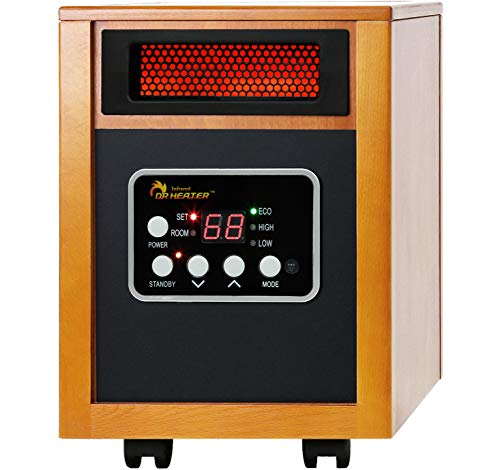
Infrared Heaters: Direct, Sun-Like Warmth
How they work: They emit infrared rays that warm objects and people directly in their line of sight, not the air. It’s like feeling the sun on your skin on a cold day.
- Pros for you: Excellent for instant, focused warmth. Since they heat objects, they are less affected by drafts and high ceilings. Perfect for spot-heating where you sit. This makes them a top answer to “are infrared heaters good for poorly insulated rooms?“
- Cons: The heat is directional. If you move out of its path, you feel cold. Less effective for heating an entire room evenly.
- Best for: Home offices, living room seating areas, or any spot where you stay put.
Oil-Filled Radiators: Steady, Background Heat
How they work: Electricity heats thermal oil sealed inside columns. The oil retains heat and releases it slowly over time, providing a gentle, consistent warmth.
- Pros for you: High thermal mass means they continue to emit heat after switching off. They provide a more even, background heat that can mitigate chill from walls. Brands like Dimplex are leaders here.
- Cons: Very slow to warm up. Heavy and less portable. The surface gets very hot, requiring caution.
- Best for: Bedrooms overnight or living rooms where you’ll be for several hours. A classic choice for efficient heating for draughty homes.
Ceramic Heaters (Fan & Tower): Fast, Focused Air Heat
How they work: Electricity heats a ceramic element, and a fan blows air across it, distributing warmth quickly.
- Pros for you: The champion of quick heat. They can raise the air temperature in a small to medium room faster than other types. Many have oscillation to spread warmth. Often lightweight and portable.
- Cons: The fan can be noisy. Heat dissipates quickly once turned off. Can stir up dust if filters aren’t cleaned.
- Best for: Bathrooms, home offices, or any room where you need warmth fast for a limited time. This is the core of the portable heater vs oil filled radiator for cold flat debatespeed vs. endurance.
Key Features to Prioritise for Efficiency & Comfort
Beyond the heater type, these features are non-negotiable for an energy efficient heater in a challenging space.
- Thermostat: An absolute must. It allows the heater to cycle on and off to maintain your set temperature, preventing energy waste. Look for one with a clear, adjustable dial or digital control.
- Multiple Heat Settings: Low and high settings (often 1kW and 2kW) let you use just the power you need. Use low for maintenance, high for a warm up room fast boost.
- Timer Function: Program it to turn on before you wake up or come home, so you’re not heating an empty space.
- Oscillation: Helps distribute warmth more evenly, combating cold spots in a drafty apartment.
- Remote Control: Lets you adjust settings from the sofa without breaking your cozy bubble.
Calculating the right kW output is critical. For a well-insulated room, a rough guide is 1kW per 14 cubic metres. For your thin-walled space, you likely need more. Factor in high ceilings and drafty windows. The Energy Saving Trust provides excellent guidance on this, which we’ll link to later. Readers in this position usually ask about best warmth for cold walls as well.
Safety First: Non-Negotiable Tips for Portable Heaters
Safety is paramount, especially in a confined apartment. Organisations like Electrical Safety First and the London Fire Brigade consistently warn about heater misuse.
- Always use on a hard, level floor. Never on carpets or rugs unsupervised.
- Maintain a 1-metre “kid-and-pet-free zone”. The surface gets hot.
- Plug directly into a wall socket. Never use an extension lead.
- Choose a model with essential safety features: a tip-over switch (auto shut-off if knocked over) and overheat protection.
- Turn it off when you leave the room or go to sleep. This is a core rule from all safety authorities.
For more detailed safety advice tailored to specific rooms, our guide on the best heater safety is a vital read.
Making Your Final Choice: A Practical Decision Guide
So, how to choose a heater for a room with thin walls? Ask yourself these questions:
| Your Need | Recommended Heater Type | Key Reason |
|---|---|---|
| Instant warmth for your home office desk | Infrared or Ceramic | Direct, fast heat right where you are. |
| Gentle, all-night warmth for a chilly bedroom | Oil-Filled Radiator | Silent operation and sustained heat from thermal mass. |
| Quickly taking the chill off a bathroom | Ceramic Fan Heater | Fastest air heating, often with IP ratings for bathroom safety. |
| Affordable, flexible heat for the living room | Ceramic Tower Heater | Good balance of speed, oscillation, and features like a thermostat. |
For a deeper dive into heating characterful but challenging properties, our article on which heater works offers further insights.
Finally, always consider running costs. While all electric heaters are 100% efficient at point of use, their effectiveness varies. An oil-filled radiator running on a low setting for hours might use similar energy to a ceramic heater blasting on high for 30 minutes. For authoritative, unbiased advice on electric heaters and efficiency, the Energy Saving Trust’s official source guide is invaluable.
Winning the War on Cold
Choosing the best heater for poorly insulated rooms comes down to matching the heater’s strengths to your routine. There’s no single perfect answer, but there is a perfect heater for your specific spot on the couch, your home office chair, or your bed.
Prioritise a good thermostat and safety features. Understand the trade-off between the instant hit of radiant or fan heat and the slow, steady warmth of thermal mass. By thinking strategically, you can create a cozy, efficient oasis in your apartment. Without the shocking energy bill.