
Insulating a loft bedroom is essential for maintaining a comfortable temperature and reducing energy costs. Without proper insulation, this space can become uncomfortably cold in winter and hot in summer, leading to increased energy bills and potential damp issues.
How to Insulate a Loft Bedroom for Comfort
Insulate your loft bedroom by creating a continuous thermal barrier across walls, ceiling, and floor. This stops heat loss and controls condensation, crucial for comfort in a cold bungalow or a loft bedroom over a garage.
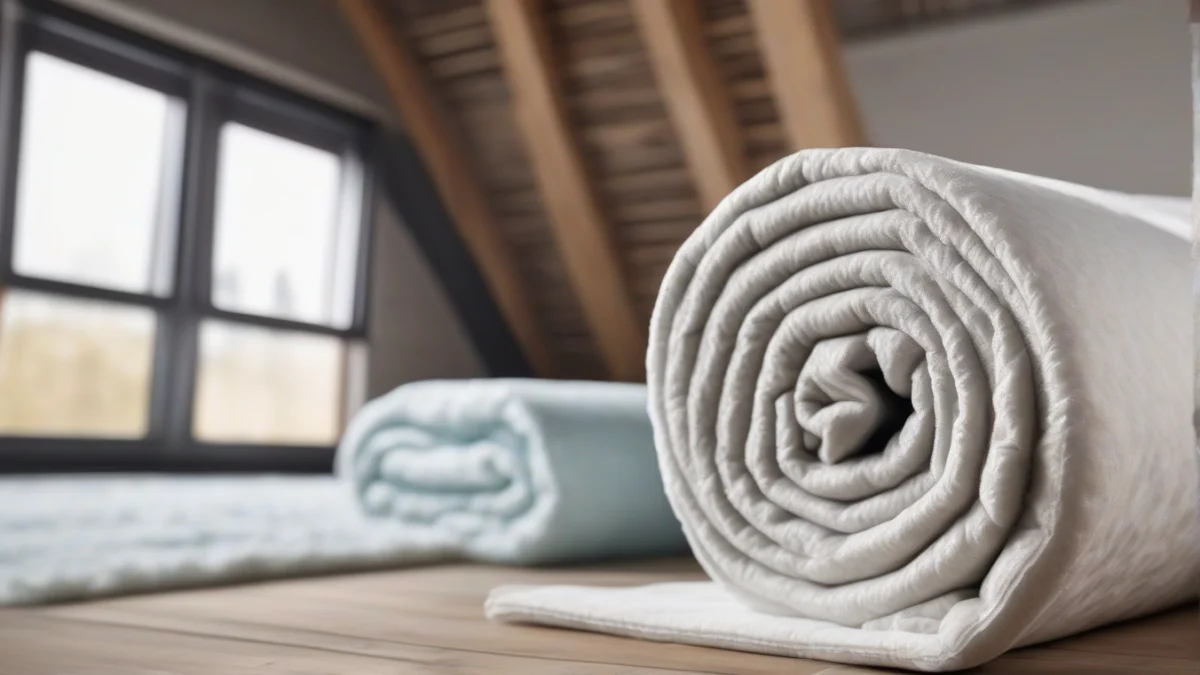
If you are converting only part of your loft into a bedroom, focus insulation on that section’s walls and ceiling to maintain warmth without wasting materials.
- Prepare the SpaceClear the loft area and inspect for leaks, damp spots, or pest damage. Repair any issues before adding insulation.
- Install a Vapor BarrierFit a vapor barrier on the warm side of the insulation to prevent moisture buildup inside walls and ceilings.
- Add Insulation to Walls and CeilingUse insulation batts or boards cut to size. Fit snugly without compressing to retain full thermal value.
- Insulate the FloorLay rigid insulation boards between joists, then cover with plywood or floorboards. This reduces cold transfer from the garage or outside.
- Ensure VentilationInstall vents or air bricks to allow airflow and prevent condensation. Use extractor fans if the room has high humidity.
Common issues include cold spots where insulation gaps or compression occur. Check for tight joints and consistent thickness. Moisture problems arise without ventilation, leading to mold or rot.
Ventilation is critical. Without it, warm moist air trapped inside causes condensation. Use breathable insulation materials where moisture control is needed.

Choosing the Right Insulation Material
Select insulation based on your loft bedroom’s size, structure, and whether you need apartment-friendly options. Some materials suit tight spaces better or offer better moisture resistance.
| Material | Pros | Cons |
|---|---|---|
| Fiberglass Batts | Affordable, widely available, easy to install | Can irritate skin, loses efficiency if compressed or wet |
| Rigid Foam Boards | High R-value per inch, moisture resistant | More expensive, requires precise cutting |
| Spray Foam | Seals gaps, high insulation value | Costly, needs professional installation |
| Mineral Wool | Fire resistant, soundproofing benefits | Heavier, can be more expensive |
| Natural Fibers (cotton, wool) | Eco-friendly, breathable | Higher cost, can attract pests if untreated |
For apartment bedrooms, fiberglass or mineral wool batts are common since they don’t require adhesives or sprays that may release fumes. Rugs or carpet over tile floors add comfort and reduce cold without underfloor heating.
Low ceiling height limits thick insulation. Use rigid foam boards or spray foam to maximize R-value without losing headroom. In rooms with slanted ceilings, flexible batts can fit irregular spaces better.
Consider moisture control. Natural fibers and mineral wool breathe better, reducing condensation risk in poorly ventilated spaces. Foam boards block moisture but must be paired with ventilation.
Choosing the right material prepares your loft bedroom for lasting comfort and energy savings. For detailed installation, see insulating a loft room with slanted ceilings and how to insulate a converted loft bedroom.
Step-by-Step Installation Guide: Walls, Ceiling & Floor
When converting only part of a loft into a bedroom, insulate the partition between the attic and the new living space. Use rigid foam or mineral wool batts between the studs or joists to create a thermal barrier that keeps heat in the bedroom and cold air in the attic.
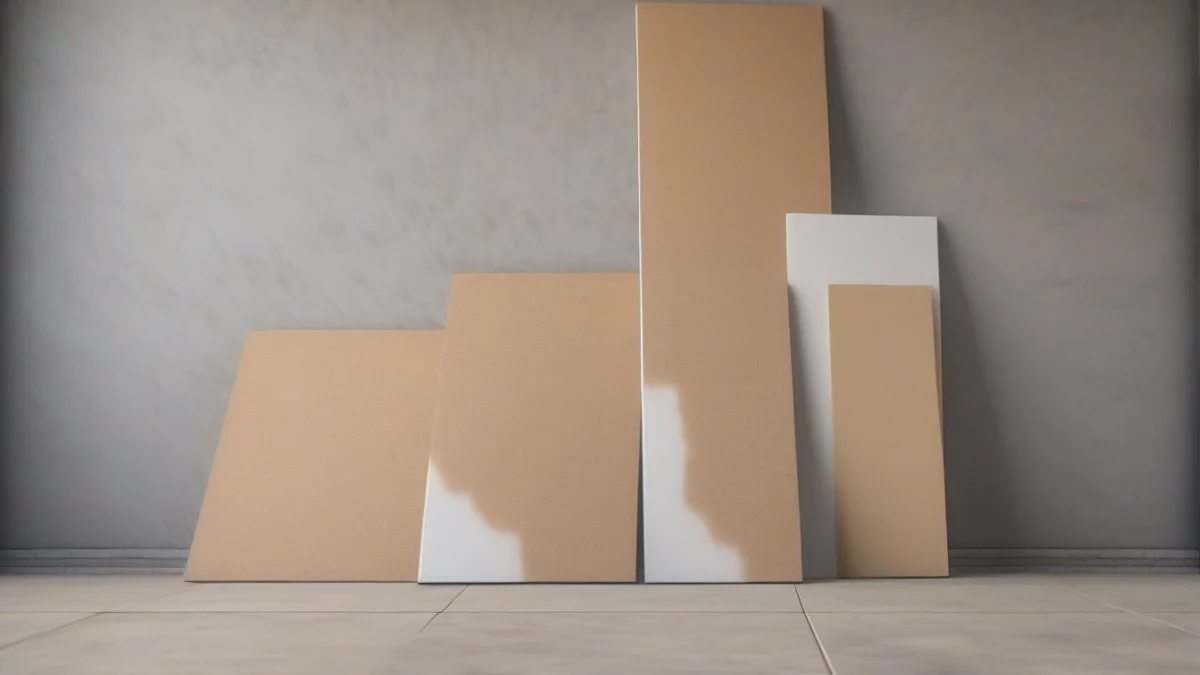
- Insulating Warm RoofsInstall insulation between the rafters under the roof deck. Use rigid foam boards or high-density mineral wool that fit snugly. Add a breathable membrane on the warm side to prevent moisture buildup. Avoid compressing the insulation, which reduces its effectiveness.
- Insulating Cold RoofsPlace insulation on the loft floor between and over the joists. Use mineral wool or fiberglass batts that fill the cavity without gaps. Keep the loft well ventilated above the insulation to prevent condensation. Seal any gaps around pipes or wires with expanding foam or caulk.
- Floor Insulation in the Loft BedroomIf the loft floor is exposed below, install insulation beneath the floorboards between joists. Use rigid foam or mineral wool batts. Cover with plywood or OSB for a finished surface. Seal edges with tape or foam to prevent drafts.
- Sealing Techniques to Prevent Cold SpotsCheck all joints between insulation panels and fill gaps with expanding foam or caulk. Pay special attention to corners, around windows, and where walls meet ceilings or floors. Use airtight membranes or vapor barriers on the warm side of insulation to minimize heat loss and condensation risk.
Navigating Costs, Regulations & Common Pitfalls
Heating a loft bedroom in freezing temperatures requires effective insulation that covers walls, ceiling, and floor to prevent heat loss through every surface. Slanted ceilings add complexity but can be insulated using flexible or cut-to-fit materials that maintain a continuous barrier without gaps.
DIY insulation costs vary depending on materials and loft size. Professional installation adds labor and may include compliance checks. Plan your budget with these factors in mind for a full loft bedroom conversion.
| Task | Estimated Cost Range |
|---|---|
| DIY insulation materials | Varies by material and supplier |
| Professional installation | Varies by installation complexity |
| Loft bedroom full conversion | Depends on loft size and project scope |
Building regulations require loft bedrooms to meet minimum thermal performance standards, often expressed as U-values. Insulation must achieve these values to pass inspections. Fire safety and ventilation also have specific rules, including fire barriers and adequate airflow to prevent condensation and mold.
- Check local building codesConfirm insulation U-values and fire safety requirements for loft conversions.
- Choose compliant materialsUse insulation products certified for the required performance and fire resistance.
- Plan ventilationIncorporate ventilation methods to maintain air quality and control moisture.
Maximizing Comfort & Energy Savings: Final Tips
Thermal bridging occurs where materials like metal or wood studs conduct heat through insulated surfaces. Seal or insulate these areas with rigid foam or spray foam to reduce heat loss and cold spots. Adding sound insulation, such as mineral wool, can also improve comfort by reducing noise transmission through walls and ceilings.
Efficient heating solutions complement insulation by providing targeted warmth without high energy use. Electric radiant panels or oil-filled radiators offer steady heat with low running costs. Programmable thermostats help maintain consistent temperatures and avoid overheating the room.
Improving door seals and adding thermal curtains over windows further reduce drafts. These small steps keep warm air inside, enhancing the insulation’s effect and cutting heating costs.
Frequently Asked Questions
What materials are best for insulating a loft bedroom?
How do I prevent condensation in my loft bedroom?
What are the benefits of insulating my loft?
Do I need permission for loft insulation?
How much does it cost to insulate a loft bedroom?
What should I do if I notice damp after insulating my loft?
We go through insulating stone cottage walls step by step in a separate article.
We go through improving heat retention in lofts step by step in a separate article.