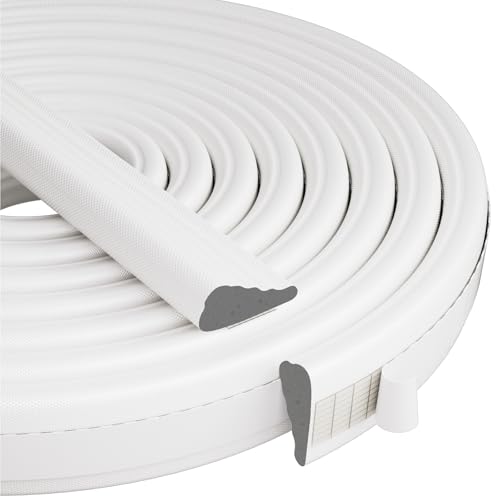
Cold drafts can make old UK homes uncomfortable and costly to heat. Identifying and sealing these gaps is essential for maintaining warmth without sacrificing the house’s historic character.
Stop Draughts in Old UK Houses
Old UK houses lose heat quickly through gaps that let in cold air. Stopping draughts starts with a thorough draught audit to find these leaks. The biggest culprits are usually windows, doors, floors and walls. Older timber houses often have many small cracks that add up to significant heat loss.
Cold rooms in old houses usually mean unsealed gaps around the window frames or under doors. Heat escapes through these gaps, raising your heating bills and making rooms uncomfortable. Old walls and floors can also have hidden draughts where materials have shrunk or settled over time.
Use breathable materials like felt strips, draft excluders, or silicone sealant designed for old buildings. These materials block air leaks while allowing moisture to escape. Sealing with non-breathable materials traps damp, which can damage the timber and plaster.
- Step 1: Inspect windows and doors carefully for gaps where you feel cold air.Run your hand or a lighted candle around frames and edges to detect cold spots.
- Step 2: Check floors near skirting boards and under doors for cracks or gaps.Use a small flashlight at night or on a dark day to spot light shining through gaps.
- Step 3: Look for cracks in walls, especially near chimneys, vents, and old wiring holes.These can be harder to spot but contribute to draughts and heat loss.
- Step 4: Choose breathable sealing materials suited for old timber and masonry.Avoid plastic sheeting or non-porous caulks that trap moisture.
Conducting a Draught Audit
A draught audit is a detailed check to find where cold air enters your home. Use incense sticks or candles to trace air movement around windows, doors and floors. The smoke or flame will flicker or move if there is a draught.
Focus on common draught sources: window frames, door edges, letterboxes and keyholes, and floorboards near skirting. Even small gaps around an old door keyhole can let in cold air. You can insulate a keyhole by fitting a draft excluder that covers it from the inside.
- Step 1: Close all windows and doors, turn off fans and heating.This ensures you detect natural draughts, not forced air movement.
- Step 2: Light an incense stick or candle and slowly move it near suspected draught points.Watch for flickering smoke or flame movement that shows air leaks.
- Step 3: Mark each draught spot on a floor plan or a simple sketch of your room.Note the size and location to plan sealing work efficiently.
- Step 4: Check under doors and around letterboxes, including the keyhole.Keyhole covers or draft stoppers are available to block these small but persistent leaks.
Sealing Windows and Doors
Two old oak doors can be major draught sources. Start by installing flap seals along the bottom edges. These flexible strips bend as the door moves but block cold air when closed.
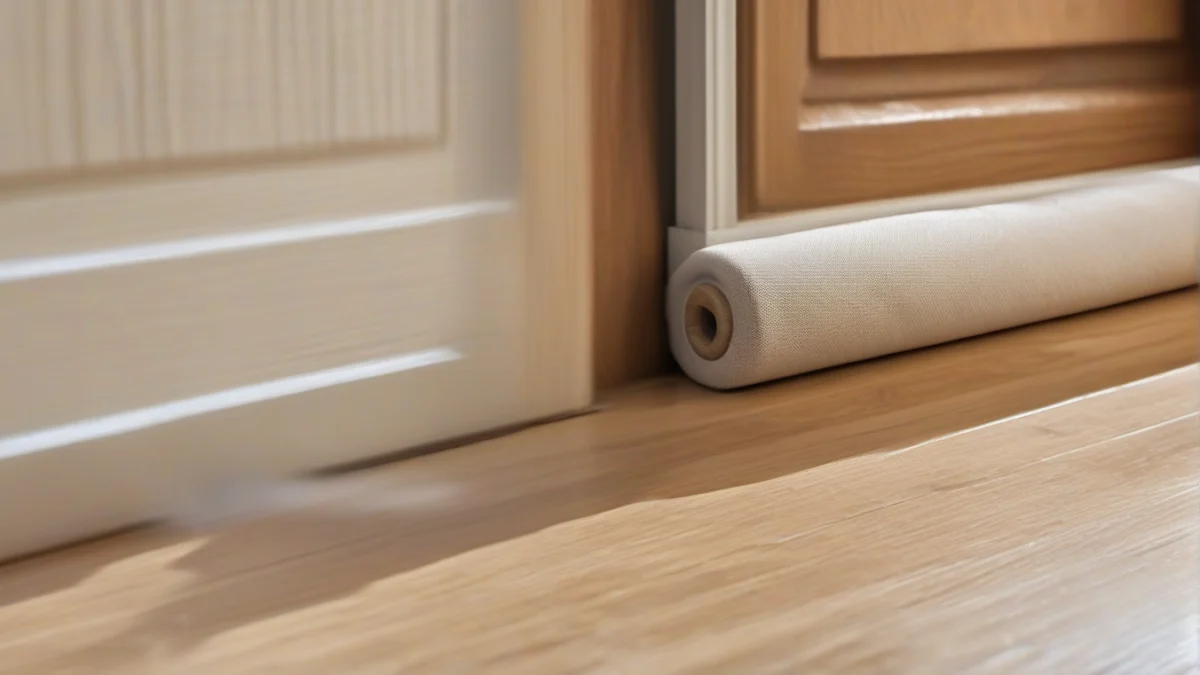
For window frames, brush seals work well. They fit into the sash or frame and block gaps while allowing smooth opening. Use soft, dense brushes designed for timber windows to avoid damage.
Door thresholds also need sealing. Rubber or silicone strips fixed under the door stop air from slipping underneath. Check for wear periodically and replace if compressed or cracked.
A loft hatch is another common draught entry point. Insulate it with a rigid foam board cut to size and fix it on top of the hatch. Then seal around the edges with a compressible draught-proofing strip to stop gaps.
Historic houses often require sympathetic solutions. Heavy door curtains or fabric panels hung inside can reduce draughts without altering original doors. These also add insulation and are removable if needed.
- Seal Oak DoorsFit flap seals to bottom edges and install threshold strips. Check that doors close fully without gaps.
- Seal WindowsInsert brush seals into sash gaps and check for cracks in glazing putty. Replace damaged putty carefully.
- Insulate Loft HatchCut rigid foam insulation to hatch size, fix on top, then seal edges with draught-proofing tape.
- Add Door CurtainsHang heavy fabric curtains inside doors prone to draughts. Ensure curtains reach the floor and overlap door edges.
Addressing Floors, Walls, and Hidden Gaps
Old houses often handle heat differently due to solid walls that absorb and release warmth slowly. They can feel cooler but keep heat longer once warmed.
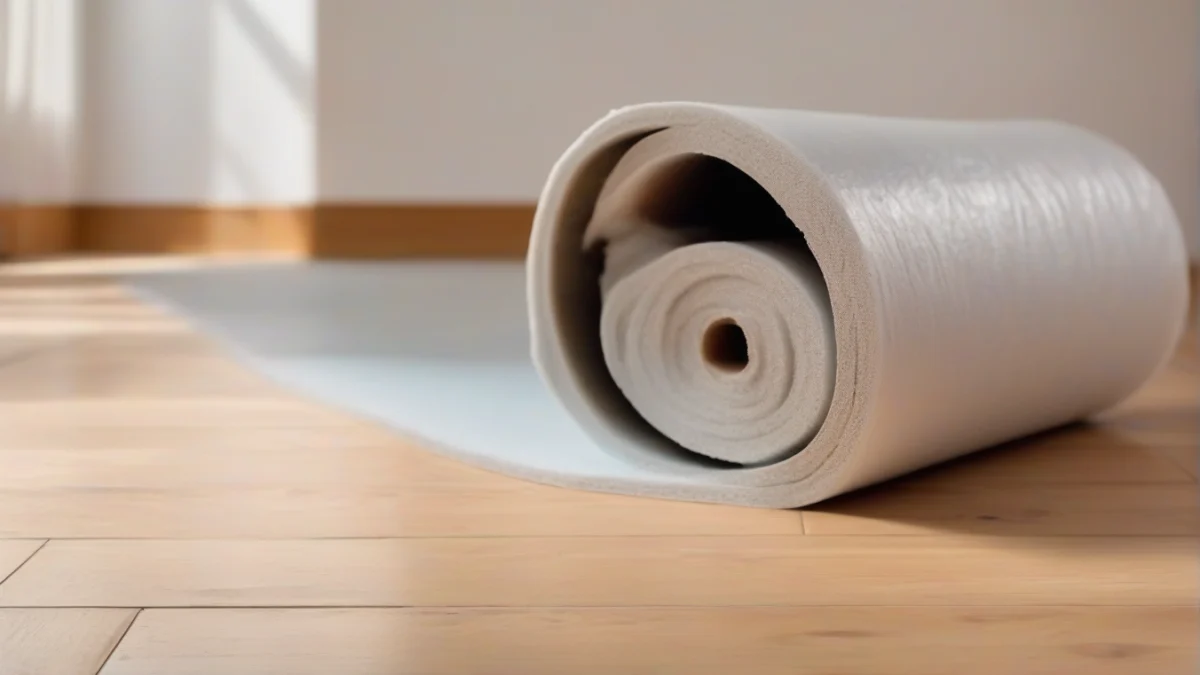
Cavity walls in older homes need careful insulation. Injected insulation works best but must be breathable to avoid trapping moisture that causes damp.
Seal gaps in floorboards with natural fillers like linseed putty or wool mixed with beeswax. These materials move with the wood and allow moisture to escape.
Avoid sealing solid walls completely. Use lime-based breathable paints or plasters that let moisture pass through. Sealing with impermeable materials traps damp and damages walls.
Hidden gaps around pipes, behind skirting boards, and in attic spaces should be filled with expanding foam designed for timber frames or with breathable fillers. Check for signs of moisture before sealing to prevent trapping damp.
- Fill Floorboard GapsPush natural fillers into gaps using a putty knife or gloved fingers. Avoid synthetic fillers that crack or trap moisture.
- Insulate Cavity WallsHire a professional to inject breathable insulation into wall cavities. Avoid DIY cavity fill that blocks airflow.
- Seal Hidden GapsLocate gaps around pipes and behind skirting. Fill with flexible, breathable fillers or expanding foam suited for old timber.
- Treat Solid WallsUse lime-based plasters or breathable paint on solid walls. Do not cover with vinyl wallpaper or impermeable coatings.
Maintaining Ventilation While Draught-Proofing
Old UK houses rarely get cold because their thick walls store heat and release it slowly. Warm air rises to the ceiling, creating a temperature gradient that small fans can help even out by circulating air downward. Draught-proofing stops unwanted cold air but must not block essential ventilation that prevents damp and stale air.
Balance sealing gaps with the need for fresh air. Use trickle vents in window frames to allow controlled airflow without large heat loss. Air bricks built into walls provide background ventilation; keep them clear and unblocked to avoid moisture buildup.
Extractor fans in kitchens and bathrooms must work properly to remove excess moisture and pollutants. A faulty fan or one that’s off while cooking or bathing raises humidity and risks condensation damage. Check fans regularly and replace filters or units that fail to vent air effectively.
- Check existing ventilationLocate trickle vents, air bricks, and extractor fans. Make sure vents and bricks are open and clear of debris or paint.
- Maintain extractor fansTest fans in kitchens and bathrooms. Clean or replace filters. Repair or replace non-functioning fans.
- Install or repair trickle ventsAdd vents to windows without them, especially if fully draught-proofed. Choose models designed for old timber frames.
- Use small fans to circulate airInstall ceiling or wall fans to move warm air down from high ceilings and distribute heat evenly.
Frequently Asked Questions
How can I find air drafts in my old house?
What are the best materials to use for draught-proofing?
How do I seal gaps in my sash windows?
Are draught excluders effective for doors?
What should I do if my home feels damp after sealing draughts?
How can I prevent heat loss in my old house?
We go through energy efficiency for stone cottages step by step in a separate article.
It helps to understand draft proofing tips for uk period homes & cottages before spending anything.