
Rooms above unheated garages often suffer from cold drafts, making them uncomfortable and underutilized. Understanding the thermal dynamics and addressing insulation and air sealing can transform these spaces.
How to Heat a Room Above an Unheated Garage
A room above an unheated garage gets cold because the garage below offers little to no thermal protection. To warm this room effectively, start by sealing air leaks and adding insulation between the garage ceiling and the room floor. Then, use supplemental heating to maintain a comfortable temperature.
Begin by identifying and sealing air leaks around the floor and walls of the room. Cold air from the garage can flow upward through gaps, making the room feel much colder. Use foam sealant or weatherstripping to close these gaps.
Next, add insulation above the garage ceiling if there isn’t enough already. Fiberglass batt insulation or rigid foam board with an appropriate vapor barrier can create a thermal barrier that slows heat loss from the room. Proper insulation reduces the heating load and helps maintain warmth longer.
After air sealing and insulating, consider supplemental heating options. Electric space heaters with thermostats provide controllable heat for the room. Oil-filled radiators hold heat longer but take time to warm up. Infrared heaters warm people and objects directly, which can feel warmer in drafty spaces.
Choose a heater sized for the room’s square footage and ceiling height. A 1,500-watt heater is typical for rooms up to 150 square feet. Use heaters with tip-over and overheat protection and plug them directly into wall outlets, never extension cords.
- Step 1: Seal Air LeaksInspect the floor and lower walls for gaps or cracks. Use expanding foam or caulk to seal openings around pipes, vents, and wiring.
- Step 2: Add InsulationInstall fiberglass batts or rigid foam board insulation between the garage ceiling joists. Cover with drywall or plywood if required by code.
- Step 3: Select Supplemental HeatingPick a heater with safety features and appropriate wattage. Place it where it circulates warm air without blocking exits or furniture.
- Step 4: Maintain and MonitorUse a programmable thermostat on your heater if possible. Check for drafts periodically and reseal if needed.
Understanding the Thermal Challenge
A room above an unheated garage loses heat in two ways: through the floor and through air leaks. The floor acts as a thermal bridge. Cold from the garage below travels through the subfloor and joists into the room above, pulling heat out continuously. Even when the rest of the house feels comfortable, that floor stays cold and drags the room temperature down with it.
Thermal bridging happens because wood framing and subfloor conduct heat faster than insulation can stop it. Floor joists create direct paths for cold to move upward. Insulation between joists helps, but gaps around the framing or compressed batts reduce its effectiveness. The result is a cold floor that radiates chill into the room.
Air leaks compound the problem. Cold air seeps in where the floor meets the walls, around windows and doors, and through penetrations for pipes or wires. That cold air doesn’t just lower the temperature—it creates drafts that make the space feel colder than the thermostat reads. If the room sits at the front of the house, wind pressure pushes more cold air in through any opening it finds.
Conduction moves heat through solid materials. Air infiltration brings cold air inside and pushes warm air out. Both work together to make the room cold. Fixing only one leaves the other cutting into your comfort and your heating bill. That’s why the next two steps—sealing air leaks and adding insulation—address both causes before you add a heater.
Air Sealing: The First Step to Comfort
Air leaks sabotage every other fix. Cold air seeps up through gaps in the garage ceiling, warm air escapes through cracks around pipes and wires, and drafts make the floor unbearably cold even when insulation is present. Before you insulate or add heat, seal the gaps.
The garage ceiling is the first place to look. Check where floor joists meet the walls above the garage, where plumbing and electrical lines pass through, and around ductwork. These gaps let cold air rise directly into the room. Use fire-rated expanding foam for openings wider than a quarter inch and fire-rated caulk for narrower cracks.
If you feel an upward draft in the room—common in multi-story homes where warm air rises and pulls cold air up from the garage—you are experiencing stack effect. Sealing the garage ceiling and the floor above it stops cold air from being pulled into the living space. Pay special attention to gaps along the perimeter where the floor frame meets exterior walls.
- Seal Penetrations in the Garage CeilingFind spots where pipes, wires, ducts and vents pass through the ceiling. Fill gaps around them with fire-rated expanding foam or fire-rated caulk. Do not block intentional vents for combustion appliances.
- Weatherstrip Doors and WindowsReplace worn weatherstripping around entry doors and window sashes. A gap the width of a dime loses as much heat as a fist-sized hole in the wall.
- Seal Outlets and Light FixturesInstall foam gaskets behind outlet and switch covers on exterior walls and the floor. Use fire-rated sealant around recessed lights that penetrate the ceiling below.
- Close Off Unintended OpeningsSeal attic hatches with weatherstripping and rigid foam on the back. Close or seal any vents, crawl space access, or holes in ceilings that connect to unconditioned space.
Check your work on a cold day by walking the room barefoot and feeling for cold spots and drafts near baseboards, outlets and the floor perimeter. A non-contact infrared thermometer will show cold spots you cannot feel. If you still sense cold air moving upward through the floor, inspect the garage ceiling again for gaps you missed.
Once air leaks are sealed, insulation and supplemental heating for cold rooms over garages work as intended. Without sealing first, you heat the garage and the outdoors instead of the room.
Insulation Solutions for Maximum Efficiency
After insulating, supplemental heating can raise comfort quickly and adjust to changing temperatures. For a large room above a garage, an electric convection heater or oil-filled radiator provides steady, even heat. These heaters plug into standard outlets and usually offer multiple heat settings up to about 1,500 watts.
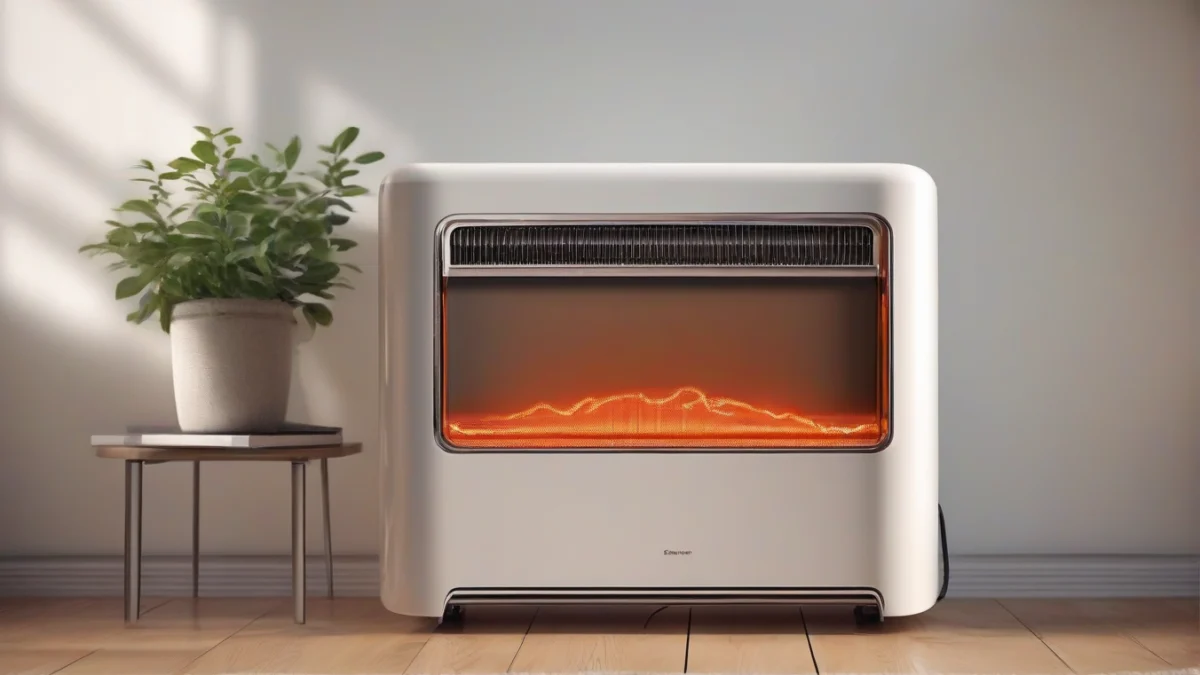
If you want fast warmth, an infrared heater targets people and objects directly, warming the room occupants rather than the air. Infrared heaters work well in drafty rooms because they don’t rely on heating the air first. However, they do not replace insulation or air sealing.
For garages themselves, a dedicated garage heater runs on natural gas or propane. These units are designed to handle cold, unconditioned spaces and deliver high heat output measured in BTUs. They require proper ventilation and carbon monoxide detectors for safety.
| Appliance | Watts | Per hour | Per day (8 h) | Per month (30 days) |
|---|---|---|---|---|
| Electric 1,500 W space heater | 1,500 W | 26¢ | $2.04 | $61.20 |
| Oil-filled radiator | 1,300 W | 22¢ | $1.77 | $53.04 |
| Infrared heater | 1,200 W | 20¢ | $1.63 | $48.96 |
Supplemental Heating Options for Added Comfort
For a room above an unheated garage, supplemental heating can make a big difference. The best heater for a large room is usually a wall-mounted electric unit or a portable oil-filled radiator rated for 1,500 watts. These heaters provide steady, even warmth and can cover around 300 to 400 square feet efficiently.
If the space is part garage, part living area, a garage heater designed for indoor use is a better fit. Look for electric garage heaters with built-in thermostats and safety features like tip-over and overheat protection. Avoid fuel-burning garage heaters indoors unless they are rated for indoor use, vented properly, and you have a carbon monoxide alarm in place.
Cost varies by type. Electric heaters cost roughly 17 cents per kWh to run. A 1,500-watt heater running 8 hours daily for 30 days uses 360 kWh, about $61 monthly at this rate. Infrared heaters may cost less to run if you only heat a small area or for short periods, as they warm objects directly rather than air.
| Heater Type | Power (W) | Coverage (sq ft) | Estimated Monthly Cost (8 hrs/day) |
|---|---|---|---|
| Oil-filled radiator | 1,500 | 300-400 | See the product page for current pricing. |
| Electric garage heater | 1,200-1,500 | 300-500 | Prices vary; check the product page for current rates. |
| Infrared heater | 1,000-1,500 | 150-300 | Check the product page for the latest price information. |
Choose a heater with adjustable settings to avoid overheating. A thermostat-controlled heater maintains temperature efficiently. Portable units let you heat specific zones, while wall-mounted heaters free floor space and provide consistent warmth.
Supplemental heating is a practical step after sealing and insulating. It adjusts quickly to temperature changes and complements the thermal barrier you create with insulation.
For detailed recommendations and model comparisons, see our guide on the best heater for large room and the best garage heater.
Flooring Upgrades to Improve Perceived Warmth
Flooring can greatly affect how warm a room feels above an unheated garage. Materials like carpet, cork, and vinyl retain heat better than bare wood or tile. Carpet with a thick pad adds insulation and reduces heat loss through the floor.

Subfloor insulation is essential when upgrading flooring in these rooms. Adding rigid foam board or spray foam insulation below the subfloor cuts heat transfer to the garage. This step requires access from beneath the floor, typically through the garage ceiling.
To warm an unheated utility room, consider layering insulated underlayment beneath vinyl or laminate flooring. This adds a thermal break and improves comfort underfoot without major construction.
Hardwood floors feel colder because they conduct heat away from your feet quickly. Adding area rugs or runners helps retain warmth where you stand or sit.
When installing new flooring, check for moisture barriers if the garage below is unheated and prone to dampness. Moisture can damage flooring and reduce insulation effectiveness.
Upgrading flooring is a cost-effective way to enhance comfort alongside sealing, insulating, and heating. It changes how heat feels in the room without raising the thermostat.
For more on warming utility rooms and floor insulation, see our related guide on how to warm up an unheated utility room.
Frequently Asked Questions
What should I do if my room above the garage is still cold after insulation?
How can I tell if my garage needs better insulation?
What are the signs of air leaks in my garage ceiling?
Is it safe to use electric heaters in a room above a garage?
What R-value should I aim for when insulating the floor above my garage?
How can I improve air circulation in a room above a garage?
We cover preventing heat loss through floors in its own guide.
Readers in this position usually ask about staying warm while working outside as well.
