
You feel it in the kitchen while cooking or in the bathroom after a shower: a cold draft pouring down from the extractor fan vent overhead. That steady trickle of outdoor air makes the room harder to heat and drives up your energy bill all winter.
The vent is a direct path between indoors and out. When the fan stops running, a small flap called a backdraft damper should close and block the airflow. If it sticks open, breaks, or was never installed properly, cold air flows back through the duct. Gaps around the housing and uninsulated ductwork make it worse.
How to Stop Cold Air Coming Through Your Extractor Fan When It’s Off
Clean the backdraft damper inside the fan housing, seal gaps around the perimeter with caulk or foam, and replace the exterior vent cap with a tight-sealing model. Most leaks come from a stuck or missing damper and unsealed gaps where the duct meets the wall.
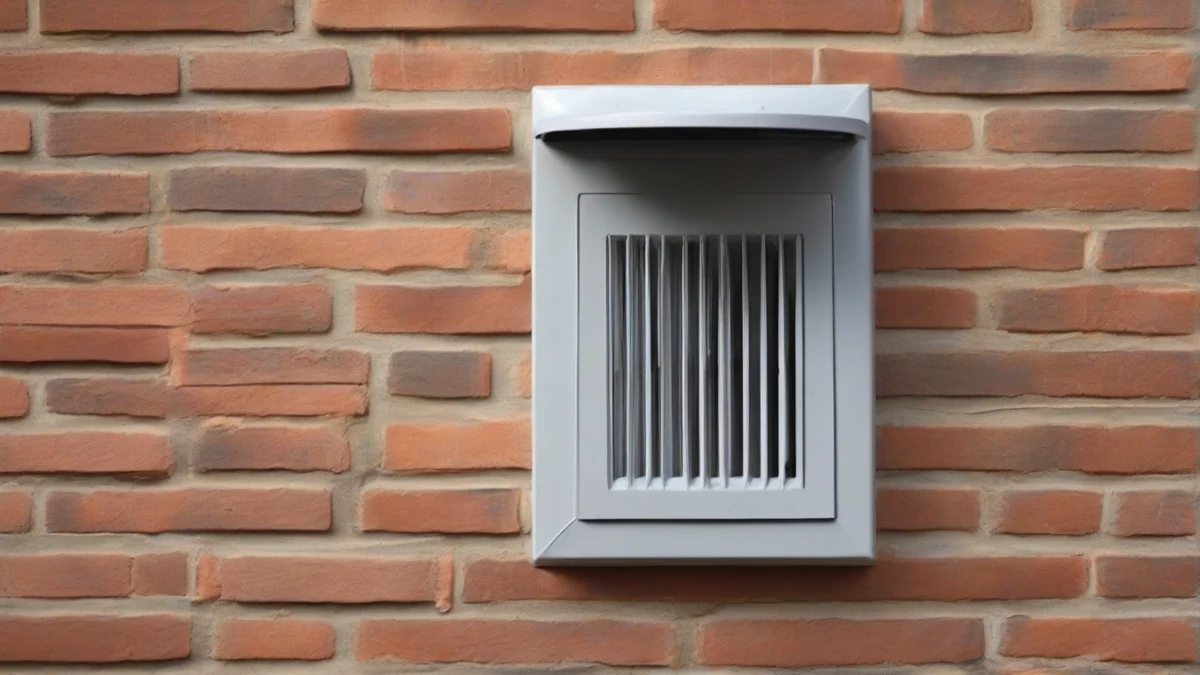
The backdraft damper is a hinged flap inside the fan housing or exterior cap that closes when the fan stops running. Grease and grime build up on the flap and hinge in kitchen extractors, gluing it open and letting cold air pour straight through. A bathroom fan damper can stick from dust, paint overspray, or rust in humid conditions. Either way, the damper stays open and outdoor air flows in through the duct.
Even a working damper won’t stop air if gaps surround the duct where it passes through the ceiling or wall. Air bypasses the fan entirely and leaks around the perimeter. The fix is straightforward but requires access to the fan housing.
- Inspect and clean the damperTurn off power at the breaker. Remove the fan cover and look for the damper flap inside the housing or at the duct collar. Wipe grease, dust, and debris from the flap and hinge with degreaser and a cloth. Move the flap by hand to check it swings freely and closes completely under its own weight or spring tension.
- Seal gaps around the ductCheck where the duct enters the fan housing and where the housing meets the drywall or ceiling. Fill small gaps with acrylic caulk; use expanding foam for larger openings, trimming excess after it cures. Seal both sides if the duct passes through an exterior wall.
- Test airflow and close the capRestore power and run the fan for thirty seconds, then turn it off. Listen and feel for air movement at the grille. If cold air still enters, the exterior vent cap may lack a damper or the damper may be broken, stuck, or undersized for wind pressure in your area.
Why Cold Air Flows Back Through the Vent
A backdraft damper is a gravity- or spring-loaded flap that sits in the fan housing or at the exterior cap. The fan’s airflow pushes the flap open; when the fan stops, the flap falls or springs closed and seals the duct. That’s the theory. In practice, the flap sticks, gaps let air bypass it entirely, or outdoor pressure forces it open from the outside.
Here are the most common reasons cold air flows back through an extractor fan, ranked by how often they occur:
- Grease and dirt glue the damper open. Kitchen hood fans pull aerosolized grease that coats the damper flap and hinge. Over months the buildup hardens and the flap stays propped open. Bathroom fans collect dust, lint, and soap residue that jam the hinge or weigh down a lightweight plastic flap.
- Gaps around the duct let air bypass the damper. The duct passes through drywall, insulation, or an exterior wall, and the installer never sealed the perimeter. Air flows through the gap into the room, regardless of whether the damper works. This is especially common in retrofit installations where the duct was added after construction.
- The damper is missing, broken, or installed backward. Many budget fans and older models don’t include a damper at all. Plastic dampers crack in cold climates; metal ones rust in coastal humidity. A damper installed backward will be forced open by outdoor air pressure instead of closing against it.
- Wind and stack effect push air through the duct. Wind hitting the exterior vent cap creates positive pressure that forces the damper open if it’s lightweight or loose. Stack effect—warm indoor air rising and pulling replacement air in from below—draws cold air down through upper-floor vents and up through lower-floor ones in multi-story homes.
- Uninsulated metal ducts conduct cold and create ice buildup. A cold metal duct chills the air inside, creating a downdraft even when outdoor wind is calm. Condensation freezes on the damper flap in winter, gluing it open until it thaws.
The same principles that let cold air into extractor vents apply to other openings in your home. If you’re dealing with drafts elsewhere, the steps to prevent air from entering vents follow the same logic: find the path, seal the gaps, and add a barrier that closes when airflow stops.
What You Need to Seal the Vent
Most extractor fan leaks need only hand tools and basic sealing materials. Gather everything before you start so you can finish the repair in one session without making extra trips to the hardware store.
Inspection and Cleaning
- A bright flashlight or headlamp to see inside the duct opening
- A small inspection mirror or your phone camera to check the damper flap and gaps you can’t see directly
- Degreaser spray or all-purpose cleaner for kitchen fans clogged with grease
- A cloth and a small stiff brush to scrub the damper hinge and flap edges
Sealing Materials
- Silicone or acrylic caulk in white or a color that matches your ceiling or wall
- Adhesive-backed foam weather stripping for small gaps around the grille perimeter
- Low-expansion spray foam for larger gaps between the duct and the framing—not high-expansion foam, which can warp the housing
- Foil-backed pipe insulation or fiberglass batt insulation if you plan to insulate an exposed duct run in the attic or crawl space
Hardware and Safety Gear
- A replacement backdraft damper if the existing flap is broken or missing—check the fan model number or measure the duct diameter before you buy
- An interior magnetic or louvred vent cover as a secondary seal, especially useful in rentals where you can’t modify the fan itself
- Work gloves to protect your hands from sharp sheet metal edges
- A dust mask and safety glasses if you’re working in a dusty attic or dealing with old insulation
If your duct runs through an unheated space, insulation stops the metal from turning into a cold bridge that pulls heat out of the room. The same materials that stop cold air leaking from your attic work here.
Step-by-Step: Seal the Vent from Inside
This repair addresses the most common leak points: a stuck or missing damper flap and gaps where the fan housing meets the ceiling or wall. Most kitchen and bathroom extractor fans are wired directly into the home’s electrical system, so safety comes first.
- Remove the grille or coverMost extractor fan covers pull straight down or have spring clips that squeeze together. If yours is held by screws, remove them and set the cover aside. Use your flashlight to inspect the duct opening for the damper flap—a hinged piece of plastic or metal that should sit flat against the opening when the fan is off.
- Check and clean the damperPush the flap gently with your finger to see if it moves freely and closes completely under its own weight. If it sticks open or wobbles on a broken hinge, that’s your leak. Spray degreaser on the hinge and flap edges, let it sit for a minute, then scrub with a stiff brush. Wipe everything dry. A damper clogged with grease or lint won’t seal even after you clean it if the hinge is cracked—replace the damper in that case.
- Seal gaps around the housing perimeterShine your light around the edge where the fan housing meets the drywall or plaster. Any visible gap lets cold air bypass the damper entirely. Run a bead of silicone caulk along the seam, smooth it with a damp finger, and let it cure. For gaps wider than a quarter inch, use low-expansion spray foam, but apply it sparingly—it will continue to expand for several minutes.
- Install an interior cover if the damper is missing or brokenIf your fan has no damper or you’re in a rental and can’t replace it, a magnetic vent cover provides a tight secondary seal. Stick the metal plate to the ceiling around the duct opening, and the weighted magnetic panel will close the vent when the fan is off. Louvred covers with spring-loaded flaps work the same way. Either option blocks airflow completely, so remove it before running the fan.
- Reinstall the grille and testSnap or screw the cover back into place, restore power at the breaker, and turn the fan on. Hold a tissue near the grille while the fan runs to confirm airflow, then turn it off and check for cold drafts. If you still feel air coming through, the exterior vent cap or the duct run itself needs attention.
Seal and Upgrade the Exterior Vent Cap
The exterior vent cap is where cold wind meets the duct. A flimsy plastic cap with a loose flap lets wind push straight through, and debris blocking the damper holds it open. Replacing a builder-grade cap with a wind-resistant model and sealing the perimeter stops the draft at its source.
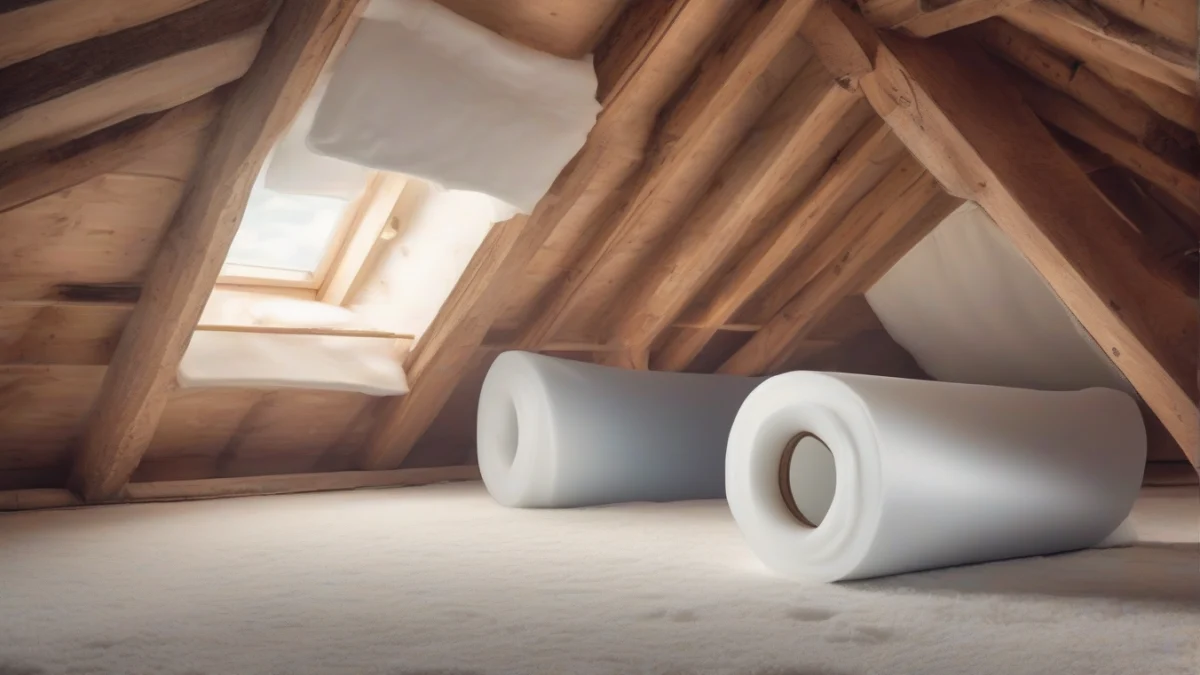
Check the cap first for bird nests, leaves, or lint buildup that prevents the damper from closing. A stuck-open flap funnels wind directly into the duct. Remove debris with a brush or by hand, wearing gloves.
- Locate the exterior cap on the outside wall or soffit. Note how it attaches: screws, caulk, or both.
- Pull the existing cap away from the wall to inspect the damper inside. If the flap is broken, rusted, or missing, replace the entire cap.
- Clean debris from the opening and check that the duct end is flush with the wall surface. Trim or extend the duct if it protrudes or sits too far back.
- Apply a continuous bead of exterior silicone or polyurethane caulk around the perimeter where the new cap will sit. Press the cap firmly into place and secure it with corrosion-resistant screws.
- Test the damper by pressing it open and letting it snap back. A tight seal means you feel resistance and hear a clean close.
Look for caps labeled wind-resistant or with spring-loaded dampers from brands like Broan, Deflecto, or Builder’s Best. Gravity dampers work when mounted vertically but fail on horizontal runs; spring dampers close against wind pressure in any orientation.
Insulate and Seal the Duct Run
An uninsulated duct in an attic or crawl space loses heat, pulls cold air by convection, and sweats condensation that drips back into the fan housing. Wrapping the duct and sealing every joint stops thermal bridging and keeps the air path airtight from the fan to the cap.
Access the duct through an attic hatch or crawl space opening. Most extractor fans vent through 4-inch or 6-inch rigid or flexible duct. If the duct runs inside a finished ceiling or wall cavity with no access panel, this step is not practical without opening drywall.
- Seal every joint with foil tape or masticWrap aluminum foil tape around each seam where duct sections connect, or brush on duct mastic for a permanent bond. Cloth duct tape degrades in hot, humid attics and peels within a year. Start at the fan housing and work toward the exterior cap.
- Wrap the duct in R-6 or higher insulationUse foil-faced fiberglass duct wrap or pre-slit foam pipe insulation sized to the duct diameter. Overlap the seams by 2 inches and secure with foil tape. Insulation prevents condensation when warm indoor air meets cold duct walls and reduces the temperature difference that drives reverse airflow.
- Check that the duct slopes toward the exteriorA slight downward slope—about ¼ inch per foot—drains any condensation out through the cap instead of back into the fan. If the duct sags or slopes the wrong way, support it with metal strap hangers spaced every 4 feet.
- Shorten and straighten the duct if possibleEvery elbow and extra foot of duct increases resistance and traps air. Replace flexible duct longer than 8 feet with rigid metal duct, and eliminate 90-degree bends by rerouting or using two 45-degree elbows. A short, straight run exhausts faster and leaves less volume for cold air to occupy when the fan is off.
If you find gaps around other penetrations while you are in the attic, seal those attic leaks at the same time. Many homes lose more heat through recessed lights, plumbing vents, and floor vent gaps than through a single extractor fan. Fixing all of them in one trip makes the biggest difference.
Shared Ducts and Airflow Between Units
In apartments and townhouses, multiple bathroom or kitchen fans often connect to a single vertical duct with branches at each floor. When one unit runs its fan, the pressure difference can pull air—and odors—backward through another unit’s fan if that branch lacks a working backdraft damper. You smell your neighbor’s cooking or feel a cold draft whenever they turn on their exhaust.
Each branch needs its own damper to stop backflow. Check your unit’s fan housing: remove the grille and look for a hinged or spring-loaded flap at the duct connection. If the flap is missing, stuck open, or visibly damaged, replace the fan unit or install an inline backdraft damper in the short duct section behind the fan. Most hardware stores stock 4-inch and 6-inch inline dampers that clamp into round duct with a hose clamp.
If your damper works but you still feel air from other units, the main duct or other branches may lack dampers. Building management controls shared ductwork; ask them to inspect branch connections and install dampers where missing. They may also check the main stack damper at the roof cap, which can freeze open in winter or corrode off entirely in older buildings.
If building management will not act and the problem persists, consider switching to a fan model with a tighter internal damper or a motorized damper that closes fully when the fan shuts off. A motorized damper requires a dedicated power wire but seals against higher pressure differences than a gravity flap.
When to Call a Professional
Most extractor fan leaks yield to the repairs in this guide. A few situations need a licensed contractor or HVAC technician.
- Whole-house ventilation systems that tie bathroom and kitchen exhaust into a central fan with multiple ducts require balanced airflow. Sealing one vent without adjusting dampers elsewhere can over-restrict the system and cause backdrafts at other terminals or at combustion appliances.
- Second-story or roof access to replace an exterior cap or inspect the duct termination is dangerous without fall protection, a secure ladder, and experience working at height. Hire a roofer or HVAC contractor with liability insurance.
- Significant mold, water stains, or a musty smell around the fan housing indicates a moisture problem beyond a simple draft. The duct may be leaking condensation, the damper may be trapping water, or the vent may terminate too close to a soffit that funnels humid air back inside. A contractor can trace the moisture source and reroute the duct if needed.
- Fan struggles, makes noise, or trips the breaker after you seal gaps and clean the damper. Over-restricted airflow forces the motor to work harder; the duct may be kinked, crushed in the wall, or undersized for the fan’s CFM rating. An HVAC technician can measure static pressure and resize the duct.
- Kitchen range hood vents that pass through fire-rated walls or ceilings must meet local fireblocking and clearance codes. A licensed contractor knows the requirements and will install the correct fire-stop collar and maintain the required spacing from combustible framing.
Frequently Asked Questions
Can I completely seal an extractor fan vent when not in use?
Why does cold air come through my extractor fan only on windy days?
Will sealing the vent make my bathroom fan less effective?
How do I know if my extractor fan has a backdraft damper?
Can I use duct tape to seal the gaps around my extractor fan?
Does an extractor fan leak affect my heating bill?
If that sounds like your room, read up on how to stop warm air escaping through extractor fans next.
If that sounds like your room, read up on preventing heat escape in homes next.
