
Finding the right water heater for your large soaking tub can be a challenge. High recovery electric water heaters offer quick heating and consistent temperatures, ensuring a comfortable bathing experience without long waits.
In this roundup, we highlight the top options available, focusing on key features that matter for effective heating in large tubs.
Electric Water Heater Comparison for Large Soaking Tubs
| Product | Best for | Power (W) | Temperature Control | Material | Safety Features | Price |
|---|---|---|---|---|---|---|
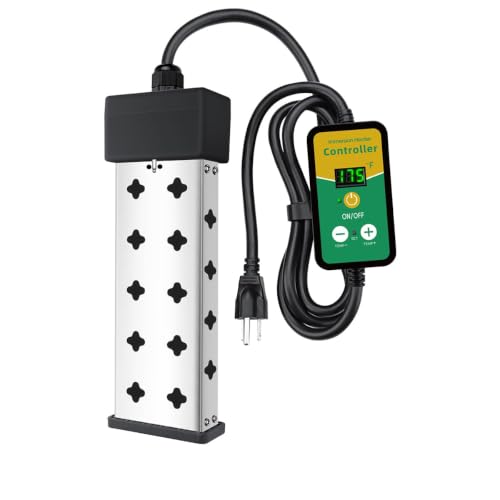
| yoisie Immersion Water Heater with Controller 1800W | Best Overall | 1800 | Smart controller with LCD | 304 Stainless steel | Anti-dry burn, auto shut-off | Check price |
| Coituer Koire Portable Water Heater 2000W | Fast Heating | 2000 | Digital sensor, no adjustable settings | Stainless steel guard | Auto shut-off at peak temp and low water | Check price |
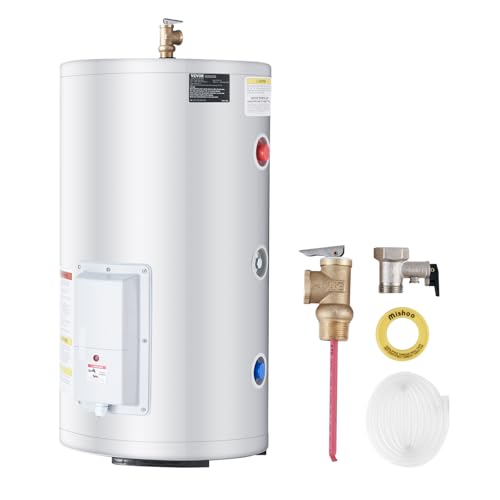
| VEVOR Electric Water Heater 18 Gallon Tank 1.6KW | Best Tank Heater | 1600 | Rotary knob 86°F–167°F | Enamel-coated tank | Enamel coating, insulation layer | Check price |
| JOLOV Portable Water Heater 2000W Immersion | Best Portable | 2000 | Built-in LCD thermometer | Stainless steel guard | Protective guard, no auto shut-off | Check price |
| HUVOPUMO Immersion Water Heater 2000W Portable | Best Budget | 2000 | LCD thermometer | 304 Stainless steel guard | Protective guard, no auto shut-off | Check price |



Top Electric Water Heaters for Large Soaking Tubs
yoisie Immersion Water Heater with Controller 1800W
- Power1800W
- Temperature ControlSmart controller with LCD display
- Material304 Stainless steel heating tube
- Safety FeaturesAnti-dry burn, auto shut-off
- Precise temperature control with real-time display
- Advanced anti-dry burn and auto shut-off safety
- Durable 304 stainless steel heating tube and thick power cord
- Limited to smaller containers compared to tank heaters
- No built-in timer for scheduled operation
Coituer Koire Portable Water Heater 2000W
- Power2000W
- Temperature ControlDigital temperature sensor, no adjustable settings
- MaterialStainless steel guard
- Safety FeaturesAuto shut-off at peak temp and low water
- High power for fast heating
- Auto-stop for overheating and low water protection
- Protective stainless steel guard for container safety
- Digital thermometer for real-time temperature
- No temperature setting control, fixed heating
- Requires manual unplugging before water contact
VEVOR Electric Water Heater 18 Gallon Tank 1.6KW
- Power1600W
- Temperature ControlRotary knob 86°F–167°F
- MaterialEnamel-coated tank
- Safety FeaturesEnamel coating, insulation layer
- Large 18-gallon capacity for extended use
- Adjustable temperature control with LED display
- Enamel coating and foam insulation for safety and heat retention
- Lower wattage limits rapid heating speed
- Bulky and less portable than immersion heaters
JOLOV Portable Water Heater 2000W Immersion
- Power2000W
- Temperature ControlBuilt-in LCD thermometer
- MaterialStainless steel heating element with guard
- Safety FeaturesProtective guard, no auto shut-off
- High power for quick heating
- Protective guard to prevent burns
- Built-in LCD thermometer for temp display
- Lightweight and portable design
- Must be fully submerged to avoid dry heating
- No auto shut-off feature mentioned
HUVOPUMO Immersion Water Heater 2000W Portable
- Power2000W
- Temperature ControlLCD thermometer
- Material304 stainless steel guard
- Safety FeaturesProtective guard, no auto shut-off
- Fast heating of small water volumes
- Protective stainless steel guard with porous design
- LCD thermometer for temperature display
- Includes cleaning tools and manuals
- No advanced safety features like auto shut-off
- Limited to small water volumes
How to Choose the Right Electric Water Heater
Choosing the right electric water heater for a large soaking tub starts with power output and heating speed. A heater rated around 1,500 to 1,800 watts heats water fast enough for most tubs without overloading a standard 120 V circuit. Faster heating means less waiting to fill your tub with hot water.
Temperature control options vary. Basic models have fixed heat settings, while advanced units include adjustable thermostats or digital controllers for precise temperature management. Accurate control prevents overheating and conserves energy.
Safety features are crucial. Look for auto shut-off to stop heating when the water reaches the set temperature or if the heater is removed from water. Overheat protection prevents damage or fire risk. Certified models carry UL, ETL, or CSA listings.
Material durability affects lifespan and safety. Stainless steel or corrosion-resistant alloys handle constant water exposure better than cheaper metals. Durable insulation maintains heat longer, improving efficiency.
Some electric water heaters combine direct electric heating with indirect methods, such as circulating heated water from a boiler. This hybrid approach suits homes with existing heating systems but is complex and costly compared to standalone electric units.
For large tubs holding around 80 gallons, select an electric water heater rated for that volume or higher. Models designed for 80 gallons ensure the heater can deliver enough heat to maintain temperature without long waits or cold spots. For detailed options, see our guide on the best 80-gallon electric water heaters.
| Feature | What to Look For |
|---|---|
| Power Output | 1,500–1,800 watts for fast heating |
| Temperature Control | Adjustable thermostat or digital controller |
| Safety Features | Auto shut-off, overheat protection, certification |
| Material | Stainless steel or corrosion-resistant |
| Capacity Suitability | Rated for your tub volume, e.g., 80 gallons |
Understanding Sizing and Heat Output
Sizing your electric water heater starts with knowing your tub’s water volume. Measure length, width, and depth, then multiply to get cubic feet. Multiply cubic feet by 7.48 to convert to gallons. This figure sets the baseline for heater capacity.
Large soaking tubs often hold over 50 gallons, some exceeding 100. To avoid slow heating or cold water, choose a heater that matches or exceeds this volume. Undersized heaters struggle to keep water hot, especially during long soaks.
Heat output, measured in watts or BTU, determines recovery speed — how fast the heater raises water temperature after use. For large tubs, aim for heaters with at least 1,500 watts to ensure quick recovery between fills.
Many big soaking tubs use a standard water supply line connected to the home’s hot water heater. However, portable immersion heaters plug directly into the tub and heat water on demand without plumbing changes. This makes electric immersion heaters a flexible option for tubs without water connections.
| Appliance | Watts | Per hour | Per day (2 h) | Per month (1 days) |
|---|---|---|---|---|
| 1,500 W electric water heater | 1,500 W | 26¢ | 51¢ | 51¢ |
| Heated blanket | 100 W | 1.7¢ | 3.4¢ | 3.4¢ |
Running Costs of Electric Water Heaters
Electric water heaters use watts to measure power. The higher the wattage, the faster the heater warms water but the more electricity it consumes. To estimate running costs, divide the wattage by 1,000 to convert to kilowatts, then multiply by the hours used and the cost per kilowatt-hour (kWh). For example, an 1800 W heater running 2 hours daily at 17 cents per kWh costs about 61 cents per day.
| Appliance | Watts | Per hour | Per day (2 h) | Per month (30 days) |
|---|---|---|---|---|
| Heated blanket (for comparison) | 100 W | 1.7¢ | 3.4¢ | $1.02 |
Several factors affect overall running costs. How long you run the heater is the biggest. Heating water from cold uses more energy than topping up warm water. Tank insulation also matters; poorly insulated tanks lose heat faster, causing the heater to run more often. Ambient room temperature can influence heat loss as well.
Energy efficiency ratings guide you to models that use electricity more effectively. Look for heaters with good thermal insulation and thermostats that cut power when water reaches the set temperature. Some heaters have energy-saving modes that reduce power consumption by cycling on and off rather than running continuously.
Safety and Certification Standards
Safety features are critical for electric water heaters. Auto shut-off stops the heater when water reaches the desired temperature, preventing overheating and electrical hazards. Dry burn protection turns the heater off if it detects no water, avoiding damage to the heating element and fire risk.
Certifications like UL (Underwriters Laboratories) and ETL (Intertek) show that a heater meets recognized safety standards. These certifications require testing for electrical safety, proper insulation, and fire resistance. Choosing a certified heater reduces the risk of accidents and often means the product complies with local electrical codes.
Use electric water heaters only as the manufacturer instructs. Plug them directly into a grounded wall outlet—never an extension cord or power strip. Keep the heater and its cord dry and away from water splashes. Maintain at least 3 feet of clearance around the heater to prevent accidental contact and allow proper airflow.
Always inspect cords and plugs for damage before use. Replace a damaged cord rather than attempting repairs. Never leave a heater running unattended or while sleeping unless the model specifically states it is designed for continuous safe operation.
Common Misconceptions About Electric Water Heaters
Immersion heaters and tank heaters serve different purposes but are often confused. Immersion heaters directly heat the water by submerging a heating element, making them fast and portable for large tubs. Tank heaters store and heat water inside an insulated tank, providing a steady supply but requiring more space and longer heat-up times.
Many believe that tank heaters are always more energy efficient because they store hot water. In reality, immersion heaters can be more efficient for large soaking tubs since they heat water on demand, avoiding standby heat loss common in tanks. The key is matching the heater type to your usage pattern rather than assuming one is inherently cheaper to run.
Maintenance needs vary by model and impact performance and safety. Immersion heaters require regular checks for corrosion and element wear, especially when used in hard water. Tank heaters need periodic flushing to remove sediment buildup, which can reduce heating efficiency. Ignoring these tasks risks higher energy use and shorter equipment life.
Choosing the right heater means understanding these differences and maintenance demands. For fast, targeted heating in a large tub, an immersion heater like the Portable Immersion Water Heater 1800W offers efficient operation with manageable upkeep. For continuous hot water, a tank heater might suit, but expect more space and maintenance.
Learn more about sizing and heat output to avoid buying the wrong capacity for your tub understanding sizing and heat output. For running costs, see the detailed breakdown to compare efficiency running costs of electric water heaters.
Frequently Asked Questions
What is the best electric water heater for a large soaking tub?
How do I calculate the running cost of an electric water heater?
What safety features should I look for in a water heater?
Are immersion heaters suitable for all types of tubs?
How long does it take to heat water in a soaking tub?
What is the difference between immersion and tank water heaters?
There is more on best leak sealants for heaters in a guide of its own.
Readers in this position usually ask about efficient bathtub heating options as well.
