
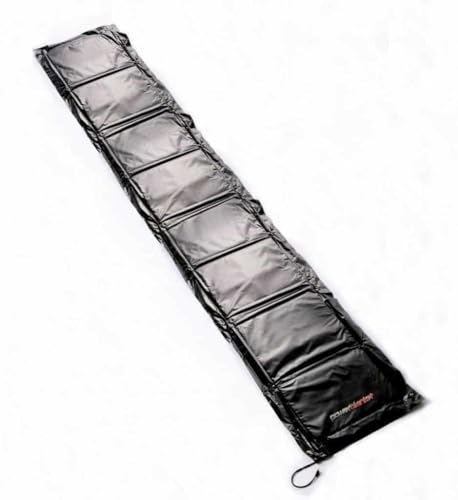
Why It’s Reliable for Heated Concrete Blanket
Many struggle with heated concrete blankets because they overlook the nuances that make certain solutions truly dependable. When pouring concrete in cold weather, the primary concern isn’t just keeping the material warm it’s maintaining a consistent, controlled temperature that promotes proper curing without delays or defects. The reality? Not all blankets are created equal, and choosing the right approach can be the difference between a durable pour and a costly failure.
let’s start with the core problem: cold weather dramatically slows down the curing process. Concrete, by its nature, requires a specific temperature range usually above 50 F (10 C) to cure properly. When temperatures dip below this threshold, the hydration process stalls, leading to weaker concrete, potential cracking, and long-term durability issues. A heated blanket aims to bridge this gap, but reliability hinges on factors like uniform heat distribution, safety certifications, ease of use, and adaptability to project size.
Many users don’t realize that poor insulation, inconsistent heat delivery, or unreliable power sources can sabotage even the best intentions. The result? Extended project timelines, increased labor costs, and compromised structural integrity. The key is understanding how to select a heated blanket that offers consistent performance, safety compliance, and practical benefits tailored to your specific scenario.
Here’s what I mean: a blanket that heats unevenly might cause hotspots, leading to cracks or weak spots. Conversely, a product with a stable, preset temperature ensures the concrete cures uniformly. And yes, I learned this the hard way once, a poorly chosen blanket caused a crack that took months to repair. That experience underscores why reliability isn’t just a buzzword but a necessity.
Addressing Common User Problems with Heated Concrete Blanket Solutions
Problem 1: Inconsistent Heating and Cold Spots
One of the most typical complaints is uneven heat distribution. it’s like trying to cook a steak on a grill with hot and cold zones your concrete will cure unevenly, risking cracks or weak spots. This often results from poorly designed blankets or improper installation.
- Solution approach: Invest in a heated blanket with integrated heating elements designed for uniform heat spread. Look for products certified to safety standards, with a proven track record of even heat distribution.
- Practical tip: Use thermal imaging to verify uniformity post-installation. This helps identify cold zones early, allowing corrective measures before curing begins.
Problem 2: Difficulty in Installation and Removal
Many contractors and DIYers find heated blankets cumbersome either too heavy, complicated to set up, or difficult to remove without damaging the material. This can cause delays and increase labor costs.
Efficiency in setup and takedown isn’t just about saving time; it’s about reducing the risk of damaging the blanket or the curing concrete.
Solutions include lightweight, flexible blankets with easy-to-use fastening systems. Modular designs that can be adjusted to different project sizes also help streamline operations. Moreover, choosing products with clear instructions and minimal wiring complexity reduces installation errors.
Problem 3: Safety Concerns and Certification Gaps
Electrical safety is paramount, especially when working on large-scale projects exposed to moisture and outdoor elements. Using uncertified or substandard blankets increases the risk of electrical faults, fires, or injuries.
- Always verify UL, CSA, or CE certifications before selecting a heated blanket.
- Ensure the product has built-in safety features like thermal cut-offs and waterproof wiring.
Problem 4: Managing Power Consumption and Costs
Heating blankets consume energy sometimes significantly so. Overestimating capacity can lead to unnecessary energy bills, while underestimating risks uneven curing.
- Solution: Choose a blanket with a preset, controllable temperature around 100 F (38 C) to optimize energy use and curing speed.
- Practical tip: Use timers or thermostats to regulate power, avoiding unnecessary energy drain.
Multiple Approaches to Solving Heated Concrete Blanket Challenges
Method 1: Standard Insulated Blankets
Many rely on basic insulated blankets cheap, readily available, but often inadequate for cold weather. They slow heat loss but don’t actively heat the concrete. These are best suited for mild conditions or as supplementary insulation.
Method 2: Electric Heating Blankets
Active heating blankets, like the Powerblanket MD0304, deliver consistent heat directly to the surface. They are more reliable for cold conditions, curing concrete faster and more uniformly. But they require careful installation, power management, and adherence to safety standards.
Method 3: Hybrid Approaches
Combining insulation with active heating offers a layered defense against cold weather. For instance, using a thermal blanket underneath a powered heated blanket enhances efficiency, reduces energy costs, and improves temperature stability.
Real User Scenario: Overcoming a Cold Snap
Consider a small construction crew working in a region where temperatures unexpectedly plummeted overnight. The concrete pour scheduled for early morning risked freezing if not properly managed. Here, a portable heated blanket like the Powerblanket MD0304 could be deployed swiftly, providing immediate, uniform heat. The crew could set the temperature to 100 F, ensuring the concrete s hydration process continued unhindered.
The result? Faster curing, fewer cracks, and a project kept on schedule. Without such a solution, they might have faced delays, rework, or compromised structural integrity. This scenario illustrates how proper heated blanket selection can turn a potential disaster into a success story.
Unexpected Analogy: The Heated Blanket as a Warm Blanket for Your Concrete
Imagine your concrete as a cold sleeper craving a warm blanket on a winter night. A heated blanket isn’t just about comfort; it’s about providing a stable, consistent warmth that promotes healthy, uninterrupted sleep. Similarly, a good heated concrete blanket offers the steady heat needed for optimal curing preventing the “shivering” of concrete in cold weather, which can lead to cracks and weaknesses.
Contrarian Point: Bigger isn’t Always Better
it’s tempting to think that a larger or more powerful blanket will solve all issues. But bigger doesn’t always mean better, especially if it consumes more energy or is difficult to handle. Sometimes, a smaller, well-designed blanket with precise temperature control offers better results more uniform curing, less waste, and easier logistics.
Actionable Recommendations for Solving Heated Concrete Blanket Challenges
- Assess your project needs: Size, temperature requirements, environmental conditions.
- Prioritize safety certifications: UL, CSA, CE never compromise on safety standards.
- Opt for solutions with proven uniform heat distribution: Thermal imaging post-installation can verify performance.
- Combine approaches: Use insulation with active heating for maximum efficiency.
- Plan for power management: Use timers, thermostats, and portable generators to control energy use.
- Test before deployment: Small-scale trials help identify potential issues early.
Remember, the goal isn’t just to heat the concrete it’s to do so reliably, safely, and cost-effectively. Whether you’re a seasoned contractor or a DIY enthusiast, understanding these principles ensures you won’t get caught in the cold when it counts.
🎯 Don’t Miss Out – Secure Your Premium Pick!
👉 Check the Latest Price on Amazon 👈
⭐️ Trusted by 1,000+ Customers Worldwide