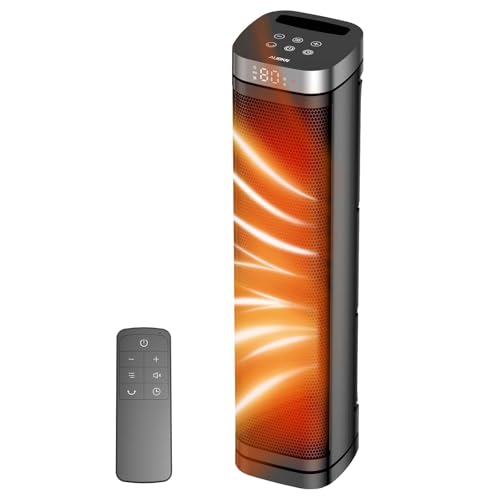
A comfortable room should not have areas that feel too hot or too cold, which can often occur with standard electric heaters. Understanding how different heating technologies distribute warmth is key to solving this problem.
Electric Heaters That Avoid Hot Spots and Cold Areas
The best electric heater for a cold, damp house is one that spreads heat evenly across the room, such as an oil-filled radiator or an oscillating ceramic heater. These models use convection currents and thermal mass to eliminate hot spots and cold areas, providing consistent warmth.
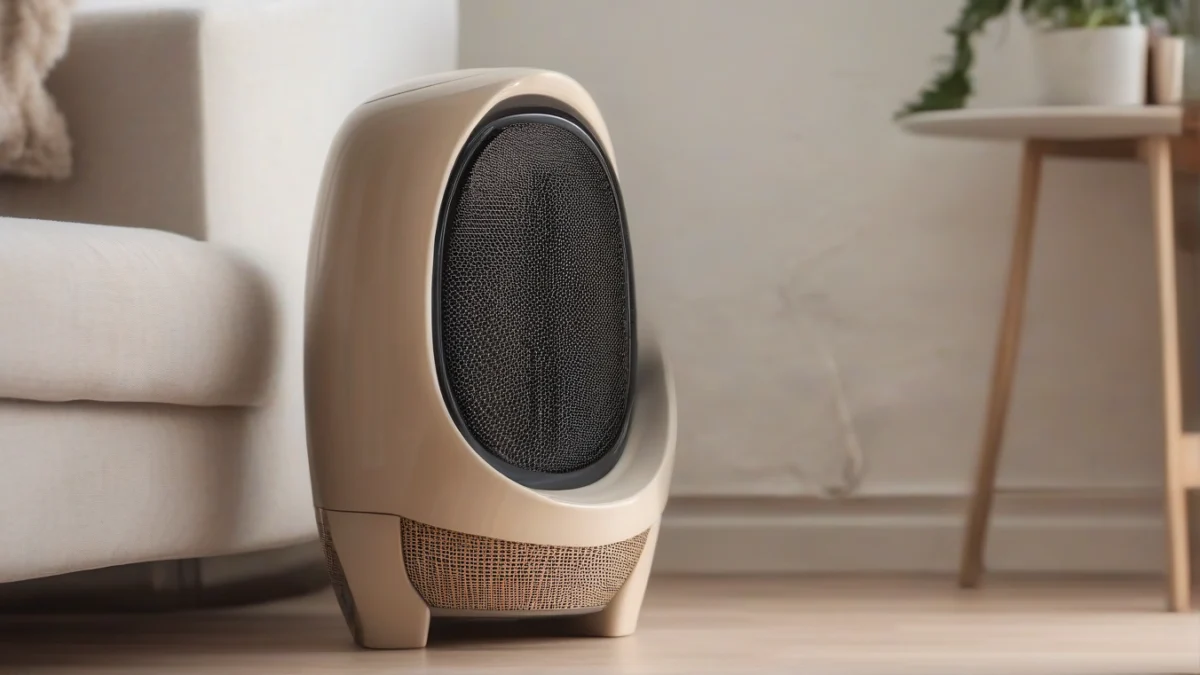
Electric heaters distribute heat mainly by convection, radiation, or a combination of both. Convection heaters warm the air, which rises and circulates, while radiant heaters send heat directly to objects and people. For even heat distribution, convection heaters with fans or oscillation work best because they move warm air throughout the space.
Wattage is crucial for effective heating. A 1,500-watt heater is the maximum safe power for a standard 120 V wall outlet on a 15-amp circuit. This wattage can heat a room up to about 150 square feet. Thermostat control is equally important. It maintains a steady temperature by cycling the heater on and off, preventing overheating and reducing energy waste.
Several types of electric heaters are known for even heating. Oil-filled radiators store heat in the oil and release it slowly, which evens out temperature fluctuations. Ceramic heaters often have fans and oscillation features that spread warm air widely. Panel heaters provide steady radiant heat but usually rely on convection for full-room warmth. Infrared heaters deliver radiant heat that can feel uneven if the room layout blocks the heat flow.
| Heater Type | Heat Distribution Method | Best Use |
|---|---|---|
| Oil-Filled Radiator | Convection with thermal mass | Bedrooms, cold and damp rooms |
| Oscillating Ceramic Heater | Convection with fan and oscillation | Living rooms, offices, quick heat |
| Panel Heater | Radiant and convection | Continuous background heat |
| Infrared Heater | Radiant | Spot heating, open spaces |
Oil-filled radiators are the top choice for cold, damp houses because their thermal mass retains heat and keeps the room warm for longer after the heater cycles off. Their convection heat gently circulates without creating hot or cold pockets. Oscillating ceramic heaters work well for faster heat and wider coverage by moving warm air around the room.
- Choose the Right WattageSelect a heater rated for your room size. For example, a 1,500 W heater covers up to 150 sq ft. Larger rooms may need multiple heaters or a higher capacity model.
- Look for Thermostat ControlA precise thermostat keeps temperature steady and avoids swings between too hot and too cold.
- Prefer Oscillation or Fan FeaturesHeaters with oscillation or built-in fans distribute warm air evenly, preventing hot spots.
- Pick Oil-Filled Radiators for Long-Lasting HeatTheir thermal mass stores heat and releases it slowly, ideal for cold and damp environments.

Understanding Heat Distribution Mechanisms
Electric heaters distribute warmth mainly through two processes: radiant heating and convection heating. Radiant heating sends infrared rays that directly warm objects and people in a room. Convection heating warms the air, which then circulates to spread heat evenly.
Convection heaters rely on convection currents. When air near the heater warms, it becomes lighter and rises. Cooler air then moves in to replace it, gets heated, and rises as well. This cycle creates a steady airflow that distributes heat throughout the space.
- How Convection Currents WorkWarm air rises from the heater’s surface.
- Cool air replaces warm air at the heater baseCool air moves in to take the place of rising warm air.
- Cycle repeatsThis movement circulates heat evenly through the room.
Some electric heaters create hot spots because they rely mostly on radiant heat or have poor air circulation. A heater blowing heat in one direction without oscillation or convection can leave cold areas in the room. Radiant heaters feel warm only when you stand close to them.
To distribute heat evenly, electric heaters need to warm air and move it around. Convection heaters and oil-filled radiators achieve this with natural airflow or fans. Radiant heaters alone do not prevent cold spots well unless supplemented by air movement.


Key Features to Look for in Electric Heaters
To avoid hot spots, choose electric heaters with thermostats. A thermostat cycles the heater on and off to maintain a steady temperature, preventing overheating in one area. This keeps the room temperature balanced and saves energy.
Oscillation is another key feature. Heaters that oscillate turn side to side, spreading warm air over a wider area. This reduces cold patches and hot spots by distributing heat more uniformly.
| Feature | Benefit |
|---|---|
| Thermostat | Maintains even temperature, prevents overheating |
| Oscillation | Spreads heat over a larger area |
| Multiple Heat Settings | Allows adjusting heat output for comfort and efficiency |
| Eco Mode | Saves energy by running heater at lower power when possible |
| Timer | Lets you set heater to run only when needed |
Multiple heat settings let you tailor the heater’s output to the room size and your comfort. Eco modes reduce power use during steady heating phases. Timers prevent running heaters unnecessarily, which also helps avoid uneven heating from prolonged operation.
Avoid heaters without thermostats or oscillation if you want consistent warmth. Models with fixed directional heat or single high settings often cause hot spots. Look for UL, ETL, or CSA safety listings and built-in tip-over and overheat protection for safe use.
These features combine to keep heat moving and controlled, which prevents cold corners and overheated zones. They also improve efficiency and safety, making your heater more reliable and cost-effective.
For more on heater types that avoid cold spots, see our guide on Heaters That Prevent Cold Spots in a Room.
Best Electric Heater Types for Different Rooms
The best heater for cold spots in a room is one that combines even heat distribution with the right power level for the space. Different rooms have different heating needs based on size, usage, and ventilation.
For bedrooms, oil-filled radiators are ideal. They provide steady, radiant heat and retain warmth after turning off, which suits the lower heating demands of sleeping areas. Their silent operation and absence of forced air make them comfortable for overnight use.
Living rooms benefit from oscillating ceramic heaters. These heaters use convection and oscillation to spread warmth across larger areas quickly, reducing cold corners. Their adjustable thermostats and fast heat-up times match living rooms’ variable occupancy and activity patterns.
Home offices need quiet, consistent warmth without overheating. Small ceramic heaters with thermostats and timers work well here. They deliver focused heat to the immediate area, saving energy while avoiding hot spots, which helps maintain comfort during work hours.
Basements often have higher humidity and cold air infiltration. Oil-filled radiators or larger ceramic heaters with oscillation are best. They provide steady heat that penetrates the cool air, and many models include safety features like tip-over and overheat protection suited for unfinished spaces.
| Room Type | Recommended Heater | Why It Suits This Room |
|---|---|---|
| Bedroom | Oil-filled radiator | Silent, steady radiant heat; retains warmth after shutoff |
| Living room | Oscillating ceramic heater | Quick convection heat; wide oscillation reduces cold spots |
| Home office | Small ceramic heater with thermostat | Quiet, focused heat; adjustable thermostat and timer |
| Basement | Oil-filled radiator or large ceramic heater | Steady heat penetration; safety features for damp areas |
The Importance of Heater Placement
Place electric heaters where they can spread heat evenly. Avoid corners and areas blocked by furniture. These spots trap heat and cause cold patches elsewhere.
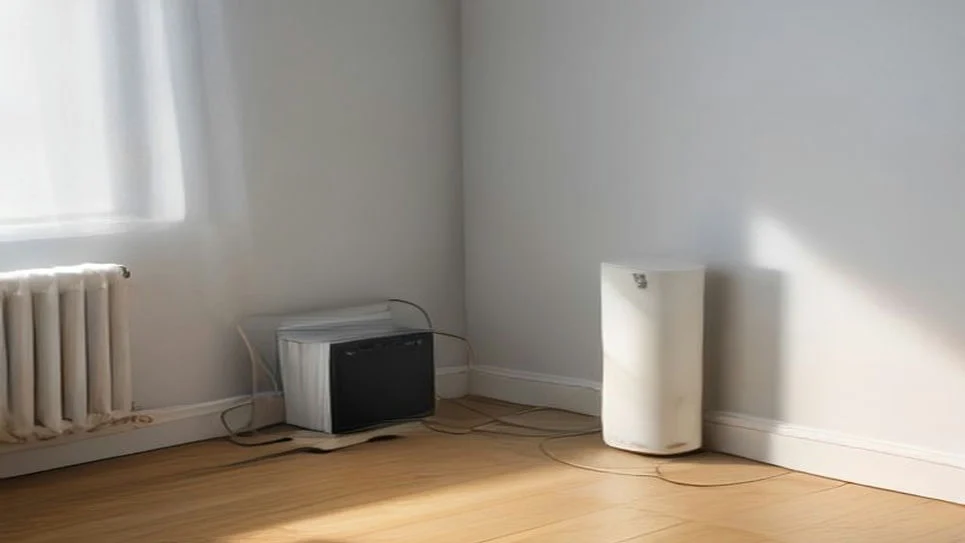
Heaters rely on convection currents to move warm air. When placed in open areas, they push heated air upward and outward, mixing it with cooler air. This circulation reduces hot spots and cold areas.
Set portable heaters at least three feet from walls and furniture. This clearance helps air flow freely around the heater. It also prevents overheating and fire hazards.
For rooms with cold spots, position the heater near the coldest area but not directly against a wall. A spot under a window or near a drafty door often benefits most. The heater’s airflow will counteract the chill and push warmth into the room.
- Clear the Space Around the HeaterKeep a three-foot radius free of furniture, curtains and clutter to allow proper airflow and reduce fire risk.
- Avoid Corners and Tight SpacesPlace heaters where air can circulate freely, not trapped between walls or behind sofas.
- Target Cold AreasPut the heater near known cold spots, like under windows or near exterior doors, to directly warm those areas.
- Elevate When PossibleSome heaters work better elevated on a table or shelf to spread heat evenly, but follow the manufacturer’s placement instructions.
Safety and Efficiency Best Practices
Electric heaters need careful use to stay safe. Always plug them directly into a wall outlet. Never use extension cords or power strips, which can overheat and cause fires.
Look for heaters with safety features like tip-over and overheat protection. These shut off the heater automatically if it falls or gets too hot.
Keep heaters at least three feet away from flammable materials such as curtains, bedding and papers. Turn off heaters when leaving the room or going to sleep, unless the model is designed for unattended use.
To save energy, use a heater with a thermostat and timer. Set the temperature to a comfortable level and avoid overheating the room. Turn the heater off when you leave or open a window.
- Use a Dedicated OutletPlug your heater directly into a wall socket to avoid electrical hazards.
- Keep Safe DistanceMaintain at least three feet of clearance around the heater from furniture and flammable items.
- Check Safety FeaturesChoose heaters with tip-over and overheat protection for automatic shut-off in emergencies.
- Control Usage TimeUse timers or thermostats to limit heater run time and reduce electricity use.
Frequently Asked Questions
What is the best electric heater for a cold damp house?
How do I prevent hot spots when using an electric heater?
What features should I look for in an electric heater?
Can I use an extension cord with my electric heater?
How much does it cost to run an electric heater?
What type of heater is best for a bedroom?
The other half of this decision is convection vs radiant heater.
We cover ensuring safety in bedroom heaters in its own guide.