
As winter approaches, many homeowners are searching for effective heating solutions. Two popular options are the Dr Infrared Heater Classic Series and oil filled radiators, each with unique advantages.
Dr Infrared Heater Classic Series vs Oil Filled Radiators at a Glance
| Feature | Dr Infrared Heater Classic Series | Oil Filled Radiators |
|---|---|---|
| Heat Output and Room Size | Heats large rooms quickly with 5200 BTU output | Best for small to medium rooms with gentle heat |
| Running Cost | 1500 W, runs at 12.5 amps, uses energy efficiently | 1500 W with ECO Plus feature to optimize power |
| Safety Features | Tip-over and overheat protection with UL listing | No fan, stable design, also UL listed |
| Noise Level | Fan noise around 39 dB, noticeable but quiet | Silent operation, no fan noise |
| Portability | 19 lbs with caster wheels and 6-foot cord | Integrated handle, lighter but no wheels |
| Lifespan and Maintenance | Typical lifespan 5 to 10 years, filter cleaning | Minimal maintenance, sealed oil, long lifespan |
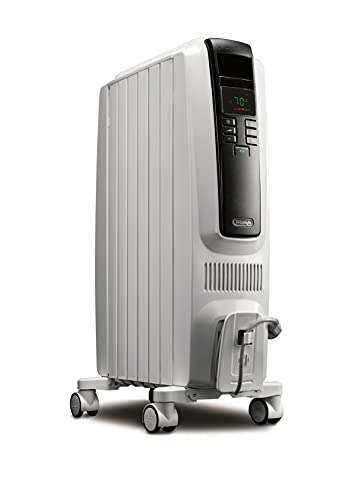
De’Longhi Dragon Digital Oil Filled Radiator
- Power1500 W
- Timer24 hour programmable
- WeightNot specified but includes integrated handle
- Heating methodOil-filled radiator
- ControlDigital panel with LED display
- Safety featuresNo fan, less dust stirred; general safety features
- 75% more radiant surface area for efficient heat transfer
- Digital control panel with programmable 24-hour timer
- Energy-saving ECO Plus mode reduces power consumption
- Slower to heat up compared to infrared models
- Heavier and less portable, weighs over 19 pounds

Dr Infrared Heater DR-968 Portable Space Heater
- Power1500 W
- Heating methodInfrared quartz tube + PTC
- CoverageLarge rooms
- Noise level39 dB
- Amperage12.5 A
- Timer12-hour automatic shut-off
- Dual heating system delivers rapid, powerful heat (5200 BTU)
- Remote control and caster wheels for ease of use and portability
- Quiet operation at 39 dB with energy-saving auto mode
- Consumes 12.5 amps, close to maximum for typical outlets
- Heavier at 19 pounds, may be bulky for some users
Dr Infrared Heater Classic Series Comparison with Oil Filled Radiators
The Dr Infrared Heater Classic Series heats spaces faster and covers larger rooms than oil filled radiators, which provide steady, gentle warmth for smaller or medium rooms. Infrared heaters use radiant heat that warms objects and people directly, while oil filled radiators rely on convection to warm the air gradually.
Infrared heaters like the Dr Infrared Heater DR-968 combine a fan with infrared elements, delivering heat quickly across a room up to about 1,000 square feet. This model produces around 5,000 BTU, making it suitable for large living rooms or open floor plans. Oil filled radiators, such as the De’Longhi Dragon Digital, typically produce 1,500 watts or about 5,100 BTU but heat primarily by convection, which warms the air slowly and evenly over time.
The key difference between convection and infrared heating is how they transfer warmth. Convection heaters heat the air, which then circulates around the room, while infrared heaters emit infrared rays that directly warm people and objects without needing to heat all the air first. This makes infrared heaters more effective in drafty or large spaces where warm air might escape.
Oil filled radiators excel in small to medium rooms up to 150 square feet where steady, quiet heat is preferred. They continue radiating heat after they turn off, thanks to the oil’s thermal mass. Infrared heaters are better for quick warm-up and larger areas where immediate heat is needed, but they rely on a fan, which can create some noise.
| Heater Type | Heat Output (BTU) | Room Size Coverage |
|---|---|---|
| Dr Infrared Heater Classic Series | ~5,000 BTU | Up to 1,000 sq ft |
| Oil Filled Radiator | ~5,100 BTU | Up to 150 sq ft |
Running Cost of Dr Infrared Heater vs Oil Filled Radiators
Running cost depends mainly on wattage and hours used. Both the Dr Infrared Heater Classic Series and oil filled radiators typically consume about 1,500 watts at maximum heat. Running either heater continuously for one hour uses 1.5 kilowatt-hours (kWh) of electricity.
To estimate cost, multiply wattage divided by 1,000 by hours used and electricity price per kWh. For example, at an average US residential rate of 17 cents per kWh, running a 1,500 watt heater for 8 hours daily costs about $2.04 per day (1.5 kW × 8 hrs × $0.17). The monthly cost for daily use is roughly $61.20.
Infrared heaters are energy efficient because they warm objects directly, reducing wasted heat in large or drafty rooms. However, their fan uses some electricity, slightly increasing consumption. Oil filled radiators use steady convection heat with no fan, so their power use is constant while running and they lose some heat when switching off until the oil cools.
| Appliance | Watts | Per hour | Per day (8 h) | Per month (30 days) |
|---|---|---|---|---|
| Dr Infrared Heater Classic Series | 1,500 W | 26¢ | $2.04 | $61.20 |
| Oil Filled Radiator | 1,500 W | 26¢ | $2.04 | $61.20 |
Safety Features of Dr Infrared Heater and Oil Filled Radiators
The Dr Infrared Heater Classic Series includes multiple safety features to protect users and property. It has tip-over protection that shuts the unit off if it falls. Overheat protection prevents the heater from running at unsafe temperatures. The heater carries UL certification, confirming it meets strict electrical safety standards.
Oil filled radiators are inherently safe because they use a sealed reservoir of oil that heats slowly and evenly. They also have tip-over and overheat shut-off switches. The oil inside does not burn or evaporate, eliminating fire and toxic gas risks. These heaters are electric, so they produce no carbon monoxide or combustion byproducts.
Infrared heaters like the Dr Infrared Classic do not burn fuel; they heat objects and people directly with infrared radiation. This avoids the carbon monoxide risks associated with fuel-burning heaters. Still, users should keep the heater on a stable, flat surface and never block air intakes or outlets. The cord should not be damaged or pinched.
Oil filled radiators run cooler on the surface than many other electric heaters, reducing burn risk. However, the metal casing can still get hot enough to cause injury if touched for long. Keep children and pets away and avoid covering the radiator. Never use oil filled radiators in damp areas unless rated for it.
Noise Levels of Dr Infrared Heater vs Oil Filled Radiators
The Dr Infrared Heater Classic Series uses a fan to distribute heat, producing 40 to 50 decibels—about as loud as a quiet conversation. That fan is what pushes warm air across the room quickly, but it runs continuously while the heater is on. Oil filled radiators have no fan and no moving parts, so they operate silently except for an occasional click when the thermostat cycles.
Infrared heaters with fans fall into the same noise category as fan heaters—tolerable in a living room or kitchen, but enough to bother light sleepers or anyone working in silence. The clicking from an oil filled radiator’s thermostat happens every few minutes and lasts a second; most people sleep through it.
Choose the Dr Infrared heater for spaces where fast heat matters more than quiet: family rooms, basements, garages. Choose an oil filled radiator for bedrooms, home offices, or any room where you need warmth without a steady hum.
Portability and Convenience of Dr Infrared Heater and Oil Filled Radiators
Infrared heaters like the Dr Infrared Heater Classic Series are moderately portable. They usually weigh around 15 to 20 pounds and include built-in handles or grips on the sides for easy lifting. Many models have caster wheels that allow rolling the unit from room to room without heavy lifting.
Oil filled radiators tend to be heavier, often 20 to 30 pounds or more, due to their metal body and the oil inside. They also have handles but fewer models come with wheels, making them less convenient to move frequently. Lifting and carrying is the main way to reposition oil filled radiators.
Setup and operation of both heater types are straightforward but differ in convenience features. The Dr Infrared Heater Classic Series often includes a remote control and a programmable timer, which allow adjusting settings from across the room and scheduling heating periods. These features add convenience for daily use and energy savings.
Oil filled radiators usually have manual dials or electronic controls on the unit itself. Some models include timers but remote control is rare. They heat steadily once on but require manual adjustment for temperature changes. Their simplicity suits users who want a set-it-and-forget-it heater with minimal controls.
Infrared heaters are portable enough for moving between living areas or offices, especially with wheels, but not ideal for carrying long distances frequently. Oil filled radiators are more stationary due to weight but offer quiet, maintenance-free warmth without needing remote operation.
Lifespan and Maintenance of Dr Infrared Heater vs Oil Filled Radiators
Infrared heaters like the Dr Infrared Heater Classic Series typically last 5 to 10 years with normal use. Their electronic components and fans can wear out faster than simpler heaters, but proper care extends lifespan. Avoiding dust buildup and using the heater within its rated capacity helps prevent failures.
Oil filled radiators have a longer expected lifespan, often 10 to 20 years. Their sealed oil reservoir never needs replacing or refilling, and they have no moving parts like fans to wear out. The metal fins and internal wiring are robust, contributing to durability.
Maintenance for infrared heaters mainly involves cleaning the air intake and fan to prevent dust accumulation that can reduce airflow and cause overheating. The filter, if present, should be cleaned or replaced as recommended by the manufacturer. Checking the power cord and controls periodically is also wise.
Oil filled radiators require minimal maintenance. Wiping the exterior to remove dust and checking the power cord for damage are usually sufficient. Since the oil is sealed, there is no risk of leaks or refilling. This low upkeep suits users who want a reliable heater without ongoing tasks.
Both heater types should be stored in a dry place when not in use to avoid moisture damage. Inspecting for damage before each heating season helps ensure safe operation. For detailed guidance on heater longevity and upkeep, see oil radiator vs infrared heater.
Frequently Asked Questions
What is the best heater for a large room?
How do infrared heaters compare to oil filled radiators in efficiency?
Are infrared heaters safe for home use?
What are the noise levels of infrared heaters?
How portable are oil filled radiators?
What maintenance is required for oil filled radiators?
Before you buy anything, it is worth looking at comparing heater running costs.
The other half of this decision is choosing vornado over ceramic.
