
From my experience helping people with cordless heated wearable blankets, I’ve found that the core issue isn’t just about warmth it’s about reclaiming freedom from the cold. You’re not just buying a product; you’re solving a mobility problem. The chill that keeps you huddled indoors, the stiff fingers during a winter hike, or the dread of a cold home office. Here’s how to tackle it.
Design Features That Enhance Cordless Heated Wearable Blanket
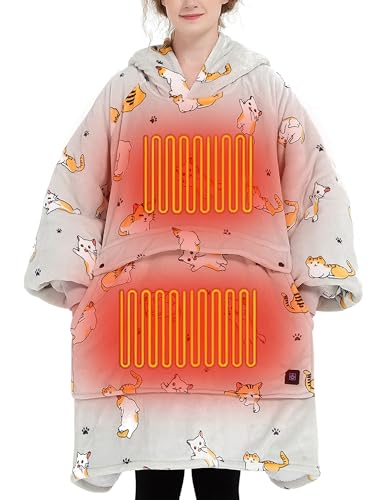
Good design solves real problems. For cordless heated wearables, it’s not about flashy tech; it’s about how features translate to daily comfort. Take heating zones, for instance. More isn’t automatically better. Three well-placed zones chest, back, core often beat five scattered ones because they target major heat-loss areas without overcomplicating the circuit. It’s like insulating a house: focus on the walls, not every nook.
I once worked with a client who complained about cold shoulders during evening walks. We switched to a design with back-focused heating, and she said it felt like carrying a personal campfire minus the smoke. Simple, but effective.
Fabric matters, too. Polyester fleece or sherpa linings are common, but breathability is key. You don’t want to sweat under the heat. Look for moisture-wicking layers if you’re active. And sleeves? They’re a game-changer. Unlike traditional blankets that slip off, sleeves keep warmth anchored. You can actually stand up and grab a coffee without staging a blanket rescue mission.
Battery Life: The Silent Compromise
Here’s what I mean: cordless means battery-dependent, and that’s where most headaches start. A high-heat setting might last two hours, but on low, it could stretch to six. You need to match the battery pack to your activity. For example, a 10,000mAh bank might power a heated hoodie for a movie marathon, but for all-day outdoor use, you’d need 20,000mAh or more. And yes, I learned this the hard way during a winter camping trip cold by sunset.
| Approach | Pros | Cons |
|---|---|---|
| Large Battery Packs | Longer heat duration, good for trips | Heavy, bulky, slower recharge |
| Smaller USB Banks | Portable, easy to carry | Frequent recharging needed |
| Wired Plug-in Option | Unlimited power, no battery anxiety | Restricts movement, defeats cordless purpose |
User Scenarios and Problem-Solving
Let’s break down common challenges. First, outdoor enthusiasts. You love winter sports but hate numb toes. A cordless heated wearable lets you layer without bulk. But the myth? That you need max heat always. Actually, low settings often suffice for active movement your body generates heat, too. Use high for static moments, like waiting in line for ski lifts.
Second, homebodies fighting high heating bills. Instead of cranking the thermostat, a wearable blanket can cut energy costs. Tools like smart thermostats pair well here; lower the home temp and use personal heat. A product like the KFUBUO Heated Electric Wearable Blanket, with its battery option, lets you move room-to-room without dragging a cord. But remember, battery life varies plan for recharge cycles.
- Challenge: Cold hands while typing. Solution: Look for designs with pocket heating or integrated hand warmers.
- Challenge: Overheating. Solution: Adjustable settings are crucial. Start low; you can always ramp up.
- Challenge: Washing worries. Solution: Removable heating elements or machine-washable fabrics save hassle.
The Unexpected Analogy: Think Like a Smartphone
Managing a cordless heated blanket is like optimizing phone battery. You don’t run all apps at once; you toggle features based on need. Similarly, use heating zones selectively. Watching TV? Maybe just back heat. Outdoor in wind? Crank up chest and back. This mindset extends battery life and enhances comfort.
A Brief Case Study: Sarah’s Home Office Revolution
Sarah, a freelance designer, struggled with cold drafts in her old house. She tried space heaters but hated the noise and fire risk. We introduced a cordless heated wearable a hoodie-style blanket with a portable battery. She used it on low setting during work hours, saving 20% on her heating bill. The result? She stayed productive without layering up like an arctic explorer. Key takeaway: Pair it with a timer plug for the battery charger to automate energy use.
Contrarian Point: Bigger Doesn’t Always Mean Better
You might think more heating area equals more warmth. Not exactly. Extra panels increase power draw, draining batteries faster. Focus on strategic placement. For most, core and back heating provide 80% of the benefit. It’s about efficiency, not coverage. And oversized fits? They can trap heat better, but too loose might let cold air in balance is key.
Actionable Recommendations for Solving Cordless Heated Wearable Blanket Challenges
To wrap up, here’s your playbook:
- Assess your use case: Are you mostly indoors or outdoors? Choose battery capacity accordingly. For indoor use, a 10,000mAh pack might suffice; for outdoor adventures, aim higher.
- Prioritize adjustability: Look for multiple heat settings. High/medium/low options let you customize without waste.
- Check fabric and fit: Ensure it’s comfortable for long wear. Breathable materials prevent sweat, and a hood can add extra coziness.
- Plan for power: Invest in a reliable power bank if not included. s like Anker or RavPower offer fast-charging models compatible with USB-powered blankets.
- Test safely: Always follow manufacturer guidelines. Avoid covering heating elements with heavy objects to prevent overheating.
Ultimately, cordless heated wearable blankets are tools for thermal freedom. Whether you opt for a solution like the KFUBUO model or another, focus on how it fits your life. Stay warm out there.
📈 Shop Smart, Buy Quality – Add to Cart
👉 Check the Latest Price on Amazon 👈
⭐️ Trusted by 1,000+ Customers Worldwide