
Drafts from loft eaves can create uncomfortable cold spots in your home and increase heating costs. These drafts usually occur where your roof meets the walls, allowing cold air to infiltrate your living spaces.
How to Block Drafts from Loft Eaves
Block drafts from loft eaves by first inspecting common gaps such as around loft hatches, eaves vents, and unused chimneys, then sealing these with appropriate materials like foam sealant, insulation boards, or draft stoppers. Do not rely on loft insulation alone to block drafts from unused fireplaces; use rigid insulation boards or proper sealing methods instead.

Avoid feeling drafts blowing through your loft by identifying the source with a smoke stick or handheld thermal camera before sealing. Drafts in lofts often come from gaps in the eaves, around pipe or cable entries, and poorly sealed loft hatches.
- Inspect the Loft Eaves ThoroughlyStart with a visual check for gaps or cracks around the eaves, loft hatch, and ventilation points. Use a smoke stick or a lit incense stick to detect moving air. Hold it near suspected gaps; if the smoke moves sideways, you have found a draft.
- Check Around Unused FireplacesIf you have an unused fireplace in the loft, feel for cold air coming through it. Do not rely on loft insulation to block this space. Instead, fit rigid insulation boards cut to size or seal with expanding foam around the fireplace opening to prevent cold air entry.
- Seal Small Gaps and CracksUse a high-quality acrylic latex caulk or expanding foam for gaps under 1 inch wide. For larger gaps, install foam backer rods before sealing with caulk. Pay special attention to where wiring or plumbing enters the loft.
- Install Loft Hatch Draught ProofingFit a draught-proofing strip around the loft hatch frame to create a tight seal when closed. Ensure the hatch closes fully without gaps. If the hatch is warped or damaged, consider replacing it to maintain a proper seal.
- Add Insulation Boards to Exposed AreasUse rigid insulation boards to cover larger gaps or exposed areas in the eaves. Secure them firmly to avoid movement. These boards add a thermal barrier and block drafts better than loose loft insulation alone.
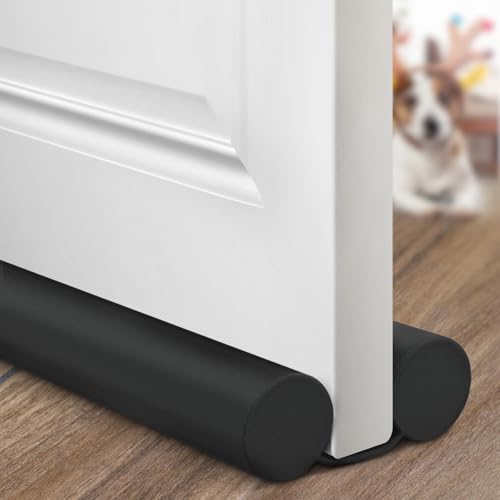
- Use Door Draft Stoppers on Loft DoorsIf your loft has a door, apply an adjustable door draft stopper to the bottom edge to block airflow. These are easy to install and remove, fitting various door widths and flooring types.
Following these steps will reduce cold air entry through loft eaves, improve comfort, and lower heating bills. For more on stopping chimney drafts, see how to stop drafts from chimney.
Understanding Drafts in Loft Spaces
Drafts in loft spaces happen because warm air inside the house escapes through gaps and openings in the ceiling or eaves, while cold outside air comes in. This movement of air is called thermal bypass. It reduces the effectiveness of insulation by carrying heat away before it can warm the room.
Thermal bypass occurs when air leaks bypass insulation layers, creating cold spots and drafts that feel like a chill through the ceiling. Even if insulation is thick and properly installed, drafts will reduce its ability to keep the house warm.
Common areas where drafts occur in loft spaces include:
- Around loft hatches and trap doors, where gaps often form between the frame and ceiling.
- Eaves vents that are meant to provide ventilation but can also let cold air in if not properly sealed.
- Unused or blocked chimneys, which can act as a chimney for cold air entering the loft and warm air escaping.
- Gaps around loft floorboards, especially if the loft is accessed regularly or used for storage.
- Cracks or gaps around ceiling light fittings and electrical outlets in the loft ceiling.
- Small holes and gaps where pipes, cables, or ducts pass through the ceiling or walls.
Drafts near the ceiling are especially important because warm air rises. When warm air escapes through these gaps, it cools the living space below and increases heating costs. Cold air coming in near the ceiling can also make rooms feel colder than the thermostat reading.
Addressing drafts in the loft ceiling helps stop thermal bypass and improves the overall performance of your insulation. It also reduces cold spots on the ceiling and walls, making your home more comfortable and energy efficient.
Sealing drafts in loft eaves is often the most cost-effective way to improve your home’s warmth and reduce heating bills. Identifying and fixing these leaks targets the main pathways that heat uses to escape.
Understanding where drafts form and why they happen lets you apply the right sealing materials and methods. This knowledge is the foundation for effective draft-proofing and insulation improvements in your loft.
Essential Tools and Materials for Draft Sealing
Sealing drafts in loft eaves requires specific tools and materials to ensure an effective and lasting job. Start with sealants designed for airtight gaps: expanding foam fills large openings, while acrylic or silicone caulk works well for smaller cracks around window frames or vents.

- Expanding foam sealant for gaps over 1/4 inch wide
- Acrylic or silicone caulk for narrow cracks and joints
- Weatherstripping tape for movable parts like loft hatches
- Rigid foam board or mineral wool insulation to add thermal resistance after sealing
- Caulking gun for precise application of sealants
- Utility knife for trimming excess foam or insulation
- Putty knife or scraper to smooth caulk or remove old sealant
- Protective gloves and goggles to guard skin and eyes from chemicals
- Dust mask if disturbing old insulation or debris
For insulation, mineral wool batts resist heat loss and are fire-resistant, suitable for fitting between joists. Rigid foam boards provide high insulation values in tight spaces but require careful cutting to fit snugly. Always wear gloves and goggles when handling insulation to avoid irritation.
Use a ladder with secure footing to reach high or awkward areas safely. If using expanding foam, avoid overfilling gaps as it expands significantly. Ventilation is important when applying chemical sealants; open windows or use a fan to disperse fumes.
When to Call a Professional
Some loft draft problems need more than DIY fixes. Call a professional if you find extensive damage, such as rotten timber or mold, or if the loft has complex ventilation systems that must not be blocked. Professionals can also handle insulation installation that meets building codes and fire safety standards.
Professionals have access to high-grade materials and tools that improve insulation quality and durability. They can assess the whole loft space, identify hidden leaks, and provide a comprehensive solution, saving time and preventing costly mistakes.
If you are unsure about working at heights or using chemical sealants, a professional can perform the job safely. They also provide warranties on their work, giving peace of mind that the draft sealing will last.
Frequently Asked Questions
What are the signs of drafts in my loft?
How can I effectively seal my loft hatch?
What materials are best for sealing loft drafts?
Can I use regular insulation to block drafts?
How often should I check for drafts in my loft?
What should I do if I find asbestos in my loft?
There is more on keeping staircases warm in a guide of its own.
We cover effective sealing techniques in its own guide.
