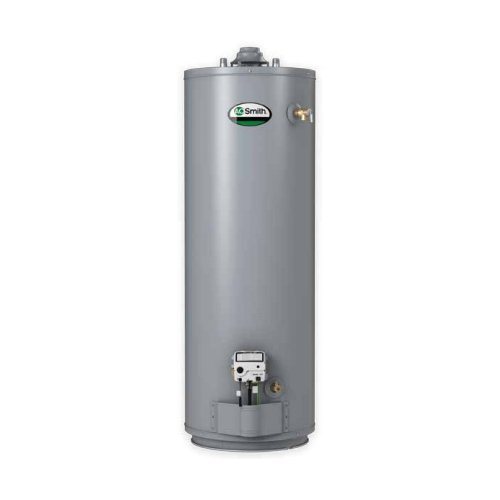
Power vented gas water heaters are essential for modern homes without traditional chimneys. They provide efficient hot water delivery and can significantly lower energy costs.
Choosing the right model can be overwhelming, but understanding the key features will help you make a quick decision. This guide highlights the best options available to meet your hot water needs.
Power Vented Gas Water Heater Comparison
| Product | Best for | Flow Rate (GPM) | Energy Efficiency | Tank Size (Gallons) | Price |
|---|---|---|---|---|---|
| Noritz NRC66DVNG Power Vented Gas Water Heater | Best Overall | 6.6 | High | — | Check price |
| Rinnai V65EP Power Vented Gas Water Heater | Best for Small Spaces | 6.5 | Moderate | — | Check price |
| Noritz NRC111DVNG Power Vented Gas Water Heater | Best for Large Homes | 11.1 | High | — | Check price |
| Rinnai RUR98iN Ultra Series Power Vented Water Heater | Best High Efficiency | 9.8 | Very High | — | Check price |
| Noritz NRC50DVNG Power Vented Gas Water Heater | Best Budget | 5.0 | Moderate | — | Check price |


Top Picks for Power Vented Gas Water Heaters
Noritz NRC66DVNG Power Vented Gas Water Heater
- Flow Rate (GPM)6.6
- Energy EfficiencyHigh
- Tank Size (Gallons)—
- Compact design saves space
- Provides endless hot water
- High energy efficiency reduces fuel costs
- Installation requires professional plumber
- Higher upfront cost than standard models
Rinnai V65EP Power Vented Gas Water Heater
- Flow Rate (GPM)6.5
- Energy EfficiencyModerate
- Tank Size (Gallons)—
- Compact size fits tight spaces
- Flexible venting options
- Energy efficient for small loads
- Lower flow rate than larger models
- Not ideal for large households
Noritz NRC111DVNG Power Vented Gas Water Heater
- Flow Rate (GPM)11.1
- Energy EfficiencyHigh
- Tank Size (Gallons)—
- High flow rate for multiple fixtures
- Power venting allows flexible installation
- Energy efficient at high output
- Larger size requires more installation space
- Higher fuel consumption than smaller units
Rinnai RUR98iN Ultra Series Power Vented Water Heater
- Flow Rate (GPM)9.8
- Energy EfficiencyVery High
- Tank Size (Gallons)—
- Exceptional energy efficiency
- Condensing technology reduces fuel use
- High flow rate for demanding homes
- Higher purchase and installation cost
- Requires professional installation
Noritz NRC50DVNG Power Vented Gas Water Heater
- Flow Rate (GPM)5.0
- Energy EfficiencyModerate
- Tank Size (Gallons)—
- Affordable price point
- Adequate flow rate for small families
- Power venting allows flexible vent placement
- Lower flow rate limits simultaneous use
- Less energy efficient than premium models
How to Choose the Right Power Vented Gas Water Heater
Start by identifying the best power vented gas water heater for your household. The Noritz NRC66DVNG stands out for most homes due to its compact design, endless hot water supply, and high energy efficiency.
Choosing a gas water heater depends mainly on flow rate, energy efficiency, tank size, and installation space. The flow rate, measured in gallons per minute (GPM), determines how much hot water the heater can supply at once. Match this to your household’s peak water demand to avoid running out of hot water.
Energy efficiency ratings, such as the Energy Factor (EF), show how well the heater converts fuel into hot water. Higher EF means lower fuel bills and less wasted energy. Look for models with EF above 0.7 for power vented units.
Tank size matters for storage models. Larger tanks hold more hot water but take longer to heat and use more space. Consider tankless models if you want continuous hot water without storing it.
Installation requirements include venting options and space availability. Power vented models use a fan to push exhaust gases through PVC pipes, allowing more flexible vent placement. Make sure you have enough clearance around the heater and follow local codes.
| Model | Tank Size (Gallons) | Flow Rate (GPM) | Energy Factor (EF) |
|---|---|---|---|
| Noritz NRC66DVNG | N/A (Tankless) | 6.6 | 0.82 |
| Example Model A | 50 | 5.5 | 0.68 |
| Example Model B | 40 | 4.8 | 0.72 |
| Appliance | Watts | Per hour | Per day (8 h) | Per month (30 days) |
|---|---|---|---|---|
| 50-Gallon Power Vented Gas Heater | 4,500 W | 77¢ | $6.12 | $183.60 |
Sizing and Heat Output for Your Home
Sizing a power vented gas water heater begins with calculating your peak hot water usage. Add up the flow rates of all fixtures likely to run simultaneously, such as showers, faucets, and appliances.
Typical flow rates are 2.5 GPM for a shower, 1.5 GPM for a faucet, and 1.0 GPM for a dishwasher. For example, if two showers and one faucet run at once, the required flow rate is 2.5 + 2.5 + 1.5 = 6.5 GPM.
Compare this to the heater’s maximum flow rate. Choose a heater that meets or exceeds your calculated peak demand to avoid cold water interruptions.
Decide between tank and tankless models based on your household’s usage patterns. Tank models store hot water and deliver it until depleted, while tankless units heat water on demand without storage.
Tankless heaters suit households with variable or high simultaneous demand because they provide continuous hot water. Tank models fit homes with steady, predictable hot water use and may have lower upfront costs.
| Fixture | Flow Rate (GPM) |
|---|---|
| Shower | 2.5 |
| Bathroom Faucet | 1.5 |
| Dishwasher | 1.0 |
| Washing Machine | 2.0 |
Safety Features and Certifications
Gas water heaters must have specific safety features to protect your home and family. Look for models certified by ETL or UL, which meet strict safety and performance standards. These certifications ensure the heater has been tested for electrical and gas safety.
Overheat protection is a critical feature. It shuts off the burner if the water temperature rises above a safe limit, preventing damage or fire risk. Most power vented gas water heaters include this feature, but verify it in the specifications before buying.
Proper venting is essential to safely remove combustion gases. Power vented models use a fan to push exhaust through a vent pipe, which must be installed according to the manufacturer’s instructions and local codes. Incorrect venting can cause dangerous carbon monoxide buildup indoors.
Installation safety depends on following venting requirements and using a licensed professional. The vent pipe should have the right diameter, slope, and materials to handle hot gases. Clearances to combustibles must be maintained to avoid fire hazards.
To ensure gas heater safety, install a carbon monoxide alarm near the water heater and test it regularly. Never block vents or modify the heater’s venting system. Regular maintenance, including checking the vent fan operation and inspecting for leaks, keeps the heater safe and efficient.
Running Costs of Power Vented Gas Water Heaters
The cost to run a power vented gas water heater depends on gas prices, heater efficiency, and your hot water use. Calculate running costs by multiplying your gas consumption (in therms or cubic feet) by the local gas rate. Efficiency ratings like the Energy Factor (EF) show how much fuel turns into hot water.
Tankless models heat water on demand, so they avoid standby losses common with storage tanks. This can lower running costs, especially if your household uses hot water intermittently. However, the initial cost is higher than traditional tanks.
For example, a 0.82 EF gas water heater consuming 30 therms per month at $1.20 per therm costs about $36 monthly. Improving efficiency by 10% reduces this to about $32.50. Savings add up over years, especially with rising fuel prices.
| Appliance | Watts | Per hour | Per day (8 h) | Per month (30 days) |
|---|---|---|---|---|
| Heated blanket (100 W) | 100 W | 1.2¢ | 9.6¢ | $2.88 |
Energy-efficient models have better insulation and more precise burners. They also use power venting fans to optimize combustion. These features reduce fuel use and lower your bills. Choose a model with a high EF rating and a power vent system designed for your climate and home size.
Check your gas bills and monitor hot water use to estimate your actual running costs. This helps identify if your heater is working efficiently or if you should consider an upgrade. For more on heater types and energy use, see Which Heater Type Holds Heat Best on Low Power?.
Common Installation Considerations
Installing a power vented gas water heater requires professional expertise. These units connect to gas lines, electrical power, and venting systems that must meet local building codes. Before installation, confirm your home’s gas supply can support the heater’s demand and that you have proper electrical access for the blower and controls.
Venting is a key factor in installation. Power vented heaters use a fan to push exhaust gases through a vent pipe, allowing flexible vent placement compared to standard atmospheric models. Vent pipes can run horizontally or vertically but must terminate outdoors with a proper cap to prevent backdraft and water intrusion.
Common challenges include ensuring the vent pipe length and diameter meet manufacturer specifications to maintain proper airflow. Incorrect venting can cause poor combustion, carbon monoxide buildup, or premature component failure. Also, the vent must avoid obstructions and be insulated if passing through unheated spaces to prevent condensation issues.
Gas connections must be tight and leak-free. Use a licensed plumber or gas technician for all gas line work. Electrical wiring should be grounded and comply with the National Electrical Code. The heater’s location needs at least 3 feet of clearance around it for service access and to comply with safety regulations.
Watch for these installation pitfalls: improper venting, undersized gas lines, and poor clearance around the unit. These can cause safety hazards or reduce the heater’s lifespan. A professional installer will also check for proper combustion and install a carbon monoxide detector nearby as an added safety measure.
Frequently Asked Questions
What is a power vented gas water heater?
How does a tankless water heater work?
What factors affect the flow rate of a gas water heater?
Are power vented gas water heaters energy efficient?
What maintenance is required for gas water heaters?
Can I install a gas water heater myself?
We cover 50-gallon options for households in its own guide.
Readers in this position usually ask about Noritz home water heating as well.