
UK homes often suffer from inefficient insulation, leading to higher energy bills and uncomfortable living conditions. With rising energy costs, it’s crucial to address insulation to maximize comfort and minimize expenses.
Insulation Product Comparison
| Product | Best for | Material | Typical Cost | Installation Type | R-Value | Price |
|---|---|---|---|---|---|---|
| Majosta DIY Home Insulation Book 2: Attics and Lofts | Best Overall | — | — | DIY guide | — | Check price |
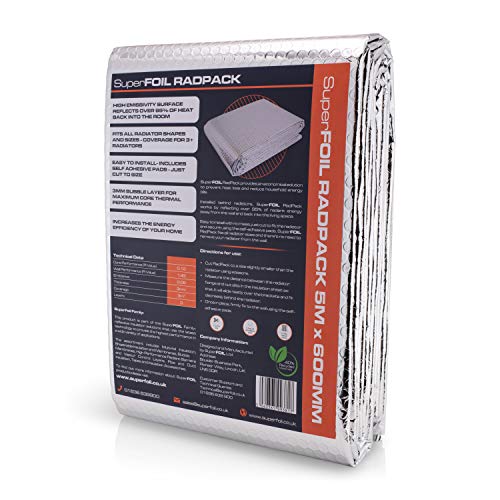
| SuperFOIL Radpack Radiator Insulation Foil | Best for Radiators | Reflective foil | — | DIY peel and stick | — | Check price |
| Generic Transparent PVC Strip Curtains | Best for Doorways | PVC strips | — | Hanging strips | — | Check price |
| From Cold to Gold: UK Guide to Home Sustainability | Best for Sustainability | — | — | Guide book | — | Check price |
| Siless Liner Car Sound Deadening & Heat Insulation Foam | Best for Vehicles | Closed cell PE foam with aluminum | — | Peel and stick | — | Check price |



Top Insulation Products for UK Homes
Majosta DIY Home Insulation Book 2: Attics and Lofts
- TypeGuide book
- FocusAttics and lofts
- BrandMajosta
- Detailed step-by-step instructions
- Focuses on attic and loft insulation
- Suitable for DIY installation
- Requires time and effort to read and apply
- No physical insulation material included
SuperFOIL Radpack Radiator Insulation Foil
- Size0.6m x 5m
- Heat ReflectionUp to 95%
- MaterialReflective foil
- BrandSuperFOIL
- Reflects up to 95% of heat
- Fits up to 5 radiators per sheet
- Easy installation with adhesive pads
- Made with recycled materials
- Limited to radiator use only
- Foil can be delicate if not handled carefully
Generic Transparent PVC Strip Curtains
- Size135x230cm
- MaterialPVC
- BrandGeneric
- Durable and water-resistant PVC
- Reduces energy loss at doorways
- Customizable size options
- Easy to install
- Not a substitute for wall or loft insulation
- May not suit all home aesthetics
From Cold to Gold: UK Guide to Home Sustainability
- TypeGuide book
- FocusSustainability and energy upgrades
- Brand—
- Covers insulation and renewable energy
- Focus on UK homes and regulations
- Shares practical transformation experience
- Not a product or material, but a guide
- Less focused on specific insulation details
Siless Liner Car Sound Deadening & Heat Insulation Foam
- Thickness157 mil / 4 mm
- Coverage36 sq ft
- MaterialClosed cell PE foam with aluminum finish
- BrandSiless
- Blocks 98% radiant heat transfer
- Waterproof and lightweight foam
- Flexible for easy vehicle installation
- Not designed for home use
- Limited coverage area per roll
How to Choose the Right Insulation
Start by understanding insulation materials and their R-values, which measure thermal resistance. Higher R-values indicate better insulation. Common materials include mineral wool, expanded polystyrene (EPS), polyurethane foam, and reflective foil. Each has strengths: mineral wool resists fire and noise; EPS is lightweight; foam offers high R-values per inch; reflective foil works by reflecting radiant heat.
Check your home’s current insulation by inspecting the loft, walls, and floors. Look for gaps, compression, or damp spots. A professional energy audit can provide exact heat loss data. For a DIY check, measure loft insulation thickness; UK building regulations recommend around 270 mm for lofts.
Consider installation type. DIY kits suit lofts and simple wall cavities. Professional installation is safer and more effective for complex cavities, solid walls, or external insulation. Off-grid homes in windy areas benefit from dense, wind-resistant insulation like closed-cell foam or mineral wool, which withstands air infiltration better.
Weight matters for structural load. Lightweight insulations like EPS or foam suit lofts and walls without extra support. Heavier materials like mineral wool need secure fixing. Avoid overly heavy insulation in older buildings unless the structure is assessed.
| Material | Typical R-value per inch (m²·K/W) | Weight (lbs/ft³) |
|---|---|---|
| Mineral Wool | 3.0 to 3.3 | 2.5 to 3.5 |
| Expanded Polystyrene (EPS) | 3.6 to 4.0 | 0.9 to 1.2 |
| Polyurethane Foam | 6.0 to 6.5 | 1.8 to 2.0 |
| Reflective Foil | Varies (reflects radiant heat) | Negligible |
Sizing and Heat Output for Insulation
Calculate insulation size by measuring the area to cover. For lofts, multiply length by width; for walls, multiply height by width of the insulated section. Include multiple layers if adding on top of existing insulation.
Thickness depends on the material and room use. UK guidelines recommend loft insulation thickness of about 270 mm, while cavity wall insulation usually requires 50 to 100 mm. Thicker insulation increases R-value and heat retention but adds cost and may need structural consideration.
Insulation reduces heat loss by slowing conduction and convection. Thicker or higher R-value insulation keeps more heat inside, lowering heating demand. A 270 mm mineral wool loft layer can reduce heat loss by up to 50% compared to no insulation.
| Area | Recommended Thickness (mm) | Typical R-value Range (m²·K/W) |
|---|---|---|
| Loft | 270 | 7.5 to 9.0 |
| Cavity Wall | 50 to 100 | 1.5 to 3.0 |
| Solid Wall (External) | 100 | 2.5 to 3.5 |
Understanding Running Costs and Savings
Insulation extension projects must comply with UK building regulations, which set minimum standards for thermal performance and fire safety. Always check local codes before starting an upgrade to avoid costly corrections.
Using certified installers ensures the work meets safety and quality standards. Certified professionals understand how to handle insulation materials safely and install them to prevent gaps, moisture buildup, and fire hazards.
Improper insulation can cause safety risks such as fire, mold growth, and poor indoor air quality. Materials that trap moisture or are installed near heat sources without proper clearance increase these dangers.
While houseplants can improve indoor air quality, they do not improve insulation. They cannot replace proper insulation materials or installation methods for energy savings.
For a safe and effective insulation upgrade, hire a professional certified under schemes like the National Insulation Association or similar UK bodies. This also helps with compliance and eligibility for any grants or support.
Safety and Certification in Insulation Installation
Insulation extension projects must meet UK building regulations to ensure safety and effectiveness. These regulations set minimum thermal resistance levels and require fire safety measures to prevent hazards.
Using certified installers is essential. Certified professionals follow building codes and use approved materials. They also know how to maintain ventilation and avoid common risks like compressing insulation, which reduces its effectiveness.
Houseplants do not improve insulation. While they can slightly increase humidity and air quality, they do not reduce heat loss through walls or roofs. Proper insulation requires materials designed to resist heat flow.
Grants and Support for Insulation Upgrades
UK grants and financial schemes help cover insulation costs to improve energy efficiency. These include government-backed programs targeting low-income households and those with older properties.
To apply for energy efficiency grants, homeowners usually need evidence of income or property age, and must choose approved insulation options. Applications often require estimates from certified installers.
Choosing a trustworthy installer involves checking for certification from recognized bodies. Certified installers provide compliance certificates needed for grant applications and guarantee work meets safety standards.
Look for installers registered with government or industry schemes. This protects homeowners from poor workmanship and ensures eligibility for financial support. Always ask for references and proof of certification before hiring.
For more tips on choosing insulation upgrades and installers, see our guide to easy insulation upgrades for beginners.
Frequently Asked Questions
What is the best insulation for off grid homes in areas with high winds?
How do I choose the right insulation for my home?
What thickness of insulation is recommended?
How can I check my home’s current insulation?
What are the costs associated with insulation upgrades?
Are there grants available for insulation improvements?
If that sounds like your room, read up on maximizing energy efficiency next.
There is more on floor insulation solutions in a guide of its own. For the detail, see our notes on top insulation for DIY.
