
I woke up to ice on the inside of my static caravan windows. My breath hung in the air. That was my first winter in a static caravan, and my cheap fan heater was a noisy, ineffective joke. I knew I had to find a real solution, fast. This isn’t just about comfort; it’s about preventing frozen pipes, managing damp, and actually being able to enjoy your holiday home when the temperature plummets.
After that miserable experience, I decided to test the most recommended heater types head-to-head in my own static. I wanted to know what truly works for static caravan heating when the frost sets in. I learned it’s not just about picking a heater; it’s about understanding how a caravan’s thin walls and unique challenges demand a specific approach. For instance, a tool like the BLACKDECKER Portable Space heater became a key part of my testing for its focused heat, which is perfect for quick warm-ups in a specific spot.
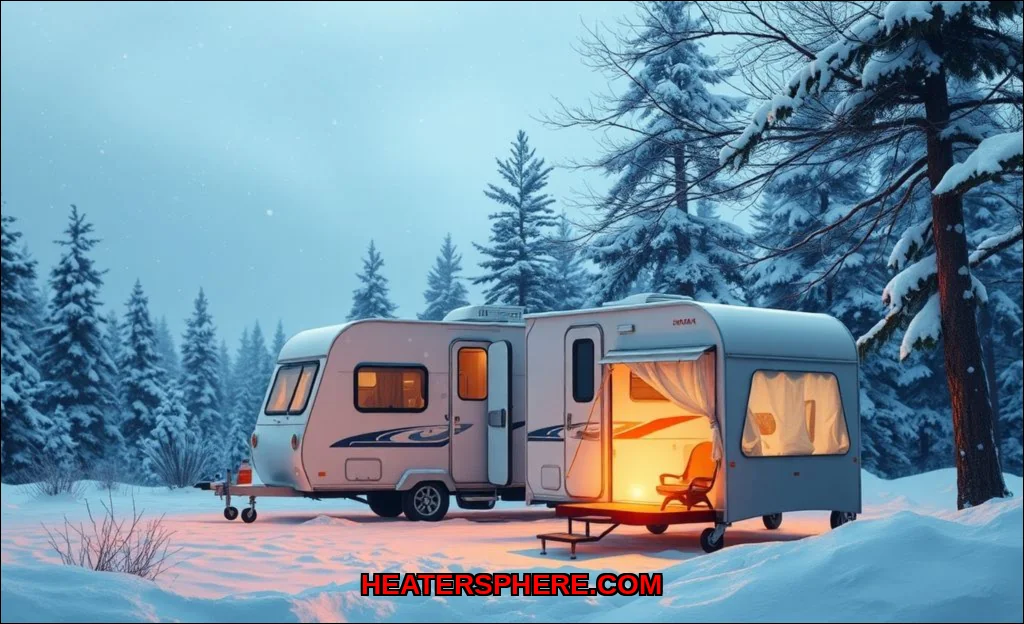
My Winter Caravan Heating Nightmare & What I Learned
That initial failure taught me more than any product manual. Static caravans are built for summer breezes, not Arctic blasts. The insulation is often minimal, and single-glazed windows are common. You’re fighting a constant battle against heat loss. I also hadn’t considered condensation. Sealing up the van to keep heat in traps all the moisture from cooking, breathing, and drying clothes. Before I knew it, I had damp walls and that musty smell.
The biggest wake-up call was the need for frost protection. Leaving for a week in January without a plan is a recipe for disaster. A burst pipe in a static caravan is a catastrophic, expensive repair. My mission became clear: find a heating setup that provides safe, consistent background heat, manages moisture, and doesn’t bankrupt me on electricity. This is the core of any effective caravan winter heating solution. We cover bathroom comfort during cold months in its own guide.
Breaking Down the Contenders: Heater Types Face-to-Face
I rolled up my sleeves and tested three main categories over a brutal cold snap. Heres my hands-on, no-BS comparison.
Oil-Filled Radiators: The Steady Eddy
I started with a Dimplex oil-filled radiator. It works by heating a sealed reservoir of oil, which then radiates warmth into the room. The heat is gentle, widespread, and incredibly consistent. Once it’s up to temperature, it just… hums along. The real win is its thermal mass; it stays warm for ages after switching off, which helps smooth out temperature drops.
What I loved: Super safe (no exposed elements), excellent for all-night use, and fantastic for maintaining a steady ambient temperature. Perfect for the best heater for caravan if you want “set and forget” background heat.
The drawbacks: It’s heavy and not truly portable. It takes a while to warm up a cold space from scratch. If your electric hook-up is low-amp, its high wattage can be an issue.
Ceramic Heaters: The Quick-Response Artist
Next was a Pro Breeze ceramic tower fan heater. This type uses a ceramic element and a fan to blast hot air into the room. The heat-up time is almost instant. You feel warmer within minutes. Many, like the VonHaus models, come with oscillation and decent thermostatic control.
What I loved: Immediate warmth. Great for taking the chill off a room quickly when you first arrive. Generally lighter and more portable than oil-filled units. We go through keeping caravan bedrooms warm step by step in a separate article.
The drawbacks: The fan can be noisy, which bothered me at night. The heat is very localized and disappears the moment you turn it off. It can also stir up dust and feel “dry.”
Infrared Heaters: The Targeted Sunbeam
This was the most interesting test. Infrared panels don’t heat the air; they heat objects and people directly, like sunshine. I felt the warmth on my skin instantly, even though the air in the caravan still felt cool. It’s a strange but effective sensation of direct vs ambient heat.
What I loved: Silent operation. Zero air movement, so no dust or dryness. Incredibly efficient for spot-heating where you sit. No burn risk from fans or hot surfaces.
The drawbacks: Useless for heating a whole room evenly. If you move out of its line of sight, you feel cold. It does nothing to warm the air that’s causing your condensation or frost issues.
The Static Caravan Factor: Why Your Home Isn’t a House
This is where most generic advice fails. You can’t just plop a house heater into a caravan and expect success. The context changes everything.
- Insulation & Heat Loss: Caravans lose heat fast. A heater that works in a well-insulated lounge will struggle here. You need a unit that can either react quickly or maintain heat stubbornly.
- Moisture Control: This is a massive, often overlooked issue. Heating types that warm the air (like ceramics) can help reduce condensation if used with ventilation. Infrared does nothing for damp air. This is a critical part of electric heating for holiday homes that are sealed up tight.
- Power Limitations: Many caravan park hook-ups are 10-16 amps. A 2kW heater on its own uses nearly the entire allowance. You need to think about low-wattage heater options or clever combinations. This makes the debate of portable vs fixed heaters crucialsometimes you need both.
- Safety & Space: Caravans are cramped. You need heaters with automatic tip-over switches, cool-touch casings, and no risk of igniting nearby curtains or furniture. This directly answers the long-tail question: what is the safest heater for a static caravan in winter?
Putting Them to the Test: Performance in a Real Freeze
I left each heater running in my unoccupied static for a 24-hour period during a sub-zero spell. My goal was frost protection for caravans and moisture management. I monitored temperature, humidity, and electricity usage.
| Heater Type | Background Frost Duty | Quick Warm-Up | Condensation Impact | Power Draw Note |
|---|---|---|---|---|
| Oil-Filled Radiator | Excellent. Held a steady 5C+ easily. | Poor. Too slow from cold. | Good. Gently warms air and surfaces. | High (1.5-2kW), but cycles on/off. |
| Ceramic Heater | Fair. Needs a good thermostat to avoid cycling. | Excellent. Room felt warmer in 10 mins. | Mixed. Can help if air circulates, but dries air. | High when on, but can use lower settings. |
| Infrared Panel | Poor. Air temperature remained near freezing. | Excellent (for you). You feel warm instantly. | None. Does not address damp air. | Variable. Can be very efficient for targeted use. |
The test clarified the oil filled radiator vs infrared for caravan winter use debate perfectly. For frost protection, the oil-filled radiator won hands down. But for instant personal comfort upon arrival, infrared or ceramic was superior. This is the nuance of how to heat a static caravan efficiently in freezing temperaturesit’s rarely one device.
My Final Verdict & Setup for a Toasty, Safe Winter
So, what’s the best heater for static caravan in harsh winters? Based on my freezing nights and condensed windows, I don’t rely on just one. I use a combination strategy.
My core, always-on unit for frost protection is a low-wattage oil-filled radiator set on a frost-stat mode. It sits in the main living area, providing that essential thermal mass and gentle, safe background heat. This is my foundation. For more detailed strategies on heating spaces with significant heat loss, the principles in our guide on the best heater type for houses with heat-loss issues are surprisingly relevant.
Then, for when I’m actually there, I use a portable ceramic heater like the BLACKDECKER Portable Space to quickly take the edge off the living area, and a small infrared panel pointed at the seating area for immediate personal warmth. This hybrid approach tackles both ambient and direct heat needs efficiently.
A critical safety note: I actively avoid portable gas heaters inside my static. The risks of carbon monoxide poisoning and oxygen depletion in a small, sealed space are far too high. They answer the question are portable gas heaters safe for static caravans? with a resounding no. Always prioritize electric options and follow official electrical heating safety guidelines.
Finally, I never forget moisture. I run a small, energy-efficient dehumidifier alongside my heaters. It’s the missing piece that stops the walls from sweating and makes the heat feel more effective. For a complete breakdown of my top picks and why, you can see my full testing results and recommendations in our dedicated article on the best heater for static caravans in winter.
The goal isn’t to replicate a centrally heated house. It’s to create a safe, dry, and comfortably warm haven. It requires a bit of thought and the right tools, but beating a harsh winter in your static caravan is absolutely possible. Start with a good oil-filled radiator for background duty, add a quick-response portable for comfort, and always, always manage your moisture. Stay warm and safe out there.
