
I remember the first winter in my two-story home. Downstairs felt cozy, almost too warm. But that upstairs hallway? An arctic passage. My toes went numb walking from the bedroom to the bathroom. It wasn’t just uncomfortable; it felt like wasted energy heating the whole house just to avoid one cold spot.
Finding the right portable heater became a personal mission. I tested five different types in that exact drafty hallway, measuring real warmth, listening for noise, and watching my energy bill. If you’re battling a similar chill, I can save you the trial and error. For a truly permanent, out-of-the-way solution, many professionals installing dedicated upstairs heating swear by a Wall-Mounted Space Heater. It gets the unit off the floor entirely, which is a huge win for safety and space in a narrow hall.
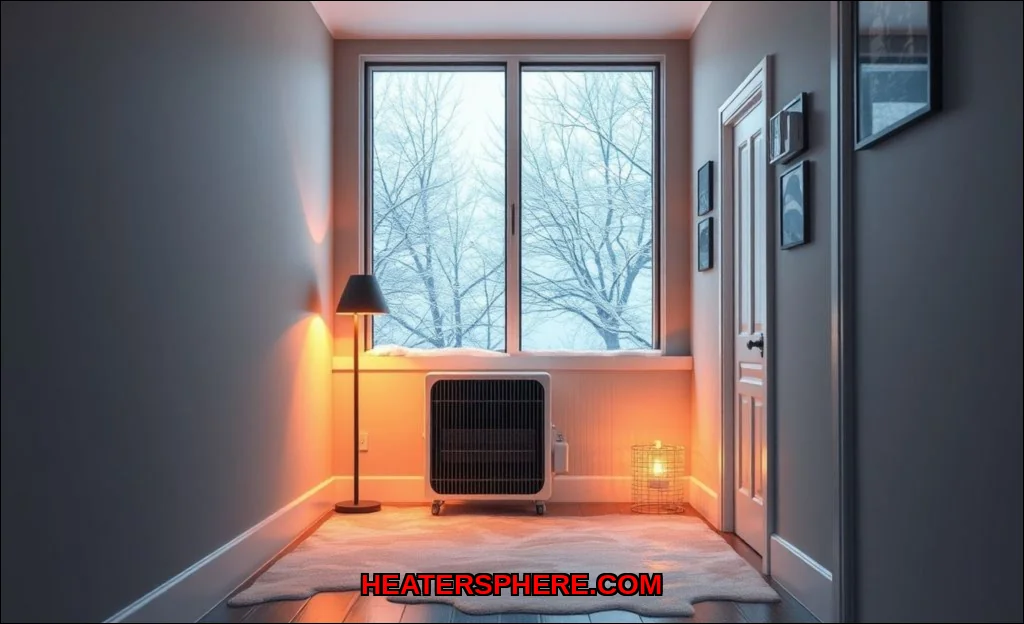
Why Upstairs Hallways Are So Hard to Heat
It’s physics, not poor construction. Heat rises, right? So why is the second floor freezing? The warm air from your main furnace pools in the living areas downstairs. Your upstairs hallway is often just a pass-throughno heat registers, no return vents, and surrounded by exterior walls and attic space above. It becomes a pocket of stagnant, cold air.
Drafty hallway describes most of them. Doors to bedrooms open and close, creating air currents. Windows on landings might not be perfectly sealed. All this makes consistent heat distribution a real challenge. You need a heater that can tackle a moving target of cold air, not just warm a static room. The other half of this decision is choosing the right heater type.
Hands-On: Testing 5 Heater Types in My Own Hallway
I borrowed and bought models to represent each major category. My test zone was a 12-foot long, 4-foot wide hallway with hardwood floors and one vent at the far end. I ran each for one week, noting how quickly it cut the chill, how the warmth felt, and the noise level during quiet nights.
1. The Ceramic Heater
This is the quintessential space heater. A fan blows air over hot ceramic plates. I tried a popular model from Lasko. Pros? It heated up my drafty hallway faster than any other type. The focused blast of warm air was immediate. But that fan is loudlike a constant white noise machine. In a quiet upstairs at night, it was intrusive. The heat also felt “spotty”; directly in front of the heater was toasty, but three feet away remained cool. Great for a quick fix, less ideal for all-night, even warmth.
2. The Oil-Filled Radiator
My De’Longhi radiator was the tortoise to the ceramic heater’s hare. It took a solid 20 minutes to warm the oil inside and start radiating heat. But once it did, the warmth was sublime. Silent, even, and pervasive. It didn’t fight the drafts as much as it simply filled the space with a gentle, ambient heat. It excelled at maintaining a temperature once my hallway’s thermostat (a separate plug-in one I used) was satisfied. The downside? It’s heavy and stays hot for a long time after turning off, which gave me pause with pets around.
3. The Infrared Heater
This was the most interesting test. Infrared doesn’t warm the air; it warms objects and you directly, like sunshine. Standing in its path provided instant, penetrating warmth that felt fantastic. But step out of its line-of-sight, and you felt nothing. For a hallway where you’re constantly moving in and out of its “beam,” the experience was inconsistent. It’s completely silent, though, and incredibly energy-efficient for spot heating a person, not necessarily a space.
4. The Fan Heater (Basic Convection)
The simplest and often cheapest electric heater. A metal coil heats up, and a fan blows air over it. It’s loud, the heat can smell dusty (that “first burn” smell), and the warmth is harsh and dry. I found it the least effective for my needs. It struggled against drafts and was too noisy for nighttime use. I can’t recommend this type for a primary hallway solution.
5. The Panel/Convection Heater
I tested a slim, wall-mountable convection panel. It works by silently heating air that naturally rises from its surface, creating a gentle circulation. It was whisper-quiet and safe to the touch. But its output was low. In my moderately sized, drafty space, it felt more like taking the edge off rather than delivering real warmth. Perfect for a small, enclosed office, but underwhelming for a challenging hallway. We go through best small space heater step by step in a separate article.
| Heater Type | Warm-Up Speed | Noise Level | Heat Consistency | Best For Hallways? |
|---|---|---|---|---|
| Ceramic | Very Fast | Loud | Spotty, Direct | Quick, daytime use |
| Oil-Filled Radiator | Slow | Silent | Even, Ambient | Yes, for all-night warmth |
| Infrared | Instant (on objects) | Silent | Directional Only | Maybe, for a fixed seating spot |
| Fan Heater | Fast | Loud | Harsh, Dry | No |
| Convection Panel | Slow | Silent | Very Gentle | Only for small, low-draft halls |
Safety First: Non-Negotiables for Hallway Heating
A hallway is a high-traffic area. Safety isn’t a feature; it’s the primary requirement. Every heater I considered had to have these three things, no exceptions:
- Tip-over switch: It must shut off automatically if knocked over. With people, pets, and vacuum cleaners, this is non-negotiable.
- Overheat protection: A internal cutoff if the unit gets too hot. This is your backup safety net.
- Cool-touch exterior: Especially critical for radiators or any heater that stays in one place. The surfaces you can accidentally brush against should not cause burns.
I also made it a rule to plug the heater directly into a wall outletno power strips or extension cords. For a comprehensive guide on safe practices, the Electrical Safety Foundation International has excellent space heater safety tips that align perfectly with what I learned.
My Top Pick & Why It Won for My Home
After a month of testing, the oil-filled radiator became my permanent hallway resident. Heres why it solved my specific problem of how to heat a cold upstairs landing efficiently.
The silent operation was the first clincher. Nighttime noise in a sleeping household matters. Second, its radiant, even heat finally solved the drafty hallway issue. Instead of blowing hot air that immediately got swept away, it steadily raised the ambient temperature of the entire space, creating a thermal buffer against drafts. Its a champion of consistent heat distribution.
Using a plug-in thermostat, I could set it to 68F. It would cycle on and off silently, maintaining that temperature all night for pennies. Thats the definition of energy-efficient for a space you want kept warm continuously, not just in bursts. For a similar challenge in a different space, like a cold, damp bedroom, the same principles of silent, radiant heat often apply.
The ceramic heater is my runner-up. I keep one in the closet for those times I need to warm the hallway rapidly, like after coming home from a trip. But for the “set it and forget it” need of a perpetually cold passage, the radiator won.
Pro Tips for Placement & Maximizing Warmth
Where you put the heater is half the battle. A poor placement can render even the best unit ineffective.
- Find the Cold Source: Before you even plug it in, feel for drafts. Run your hand along floorboards and window seams. If you can seal a draft with weather stripping, do it. You’re fighting a much smaller battle afterward.
- Centralize, Don’t Corner: Place the heater centrally in the hallway if possible. For a long hall, the midpoint is ideal. Tucking it into a corner restricts airflow and creates hot/cold zones.
- Mind the Flow: Keep it at least 3 feet from any obstructionlaundry baskets, shoes, curtains. Good airflow is critical for performance and safety.
- Use a Dedicated Thermostat: The built-in dials on heaters are notoriously inaccurate. A $15 plug-in thermostat changed the game for me. It measures the room’s actual temperature and cycles the heater perfectly, preventing over-heating and saving energy.
- Consider the Floor: My hardwood floors got cold. Placing a small rug under and in front of the radiator helped insulate the floor and made the radiant heat feel even more effective.
If your bedroom is also an icebox, the strategy shifts slightly. You might prioritize faster heat or different features. My testing for cold UK bedrooms, where dampness is a major factor, led me to some different conclusions worth reading.
What About Wattage and Size?
Most competitors just say “get the right size.” Let’s be specific. A general rule is 10 watts per square foot. My 48 sq ft hallway needed about 480 watts. I used a 750-watt ( 2560 BTU) oil-filled radiator, which was slightly oversized but allowed it to work less strenuously to maintain temperature. For a large drafty hallway of, say, 80 sq ft, aim for a 1500-watt unit. More power isn’t always better, but in a drafty space, having a little extra capacity helps the heater keep up without running constantly.
The quest for a warm upstairs hallway taught me that the best heater isn’t about the most features or the highest price. It’s about matching the heater’s personality to the room’s problems. For my need of silent, all-night, draft-fighting warmth, the oil-filled radiator was the clear partner. Your home might be different. But start with safety, understand how each type truly performs, and don’t underestimate the power of smart placement. That cold hallway doesn’t have to be a winter inevitability. It just needs the right kind of warmth.
