
Your conservatory should be a year-round haven, not a seasonal sauna or an icebox. Yet, many find their glass-walled retreats are unusable for months, plagued by extreme temperatures and condensation. The walls, often overlooked in favour of the roof, are a major culprit. Proper conservatory wall insulation transforms this space from a liability into a genuine asset, boosting comfort and slashing energy bills.
It’s not just about adding a layer of material. It’s a strategic upgrade that tackles thermal bridging, manages moisture, and fundamentally changes how the space interacts with your home’s heating system. For a straightforward start, many DIYers find success with a product like the Stormguard 11SR06612SQ 12Sq for sealing gaps and draftsa critical first step before any major insulation project.
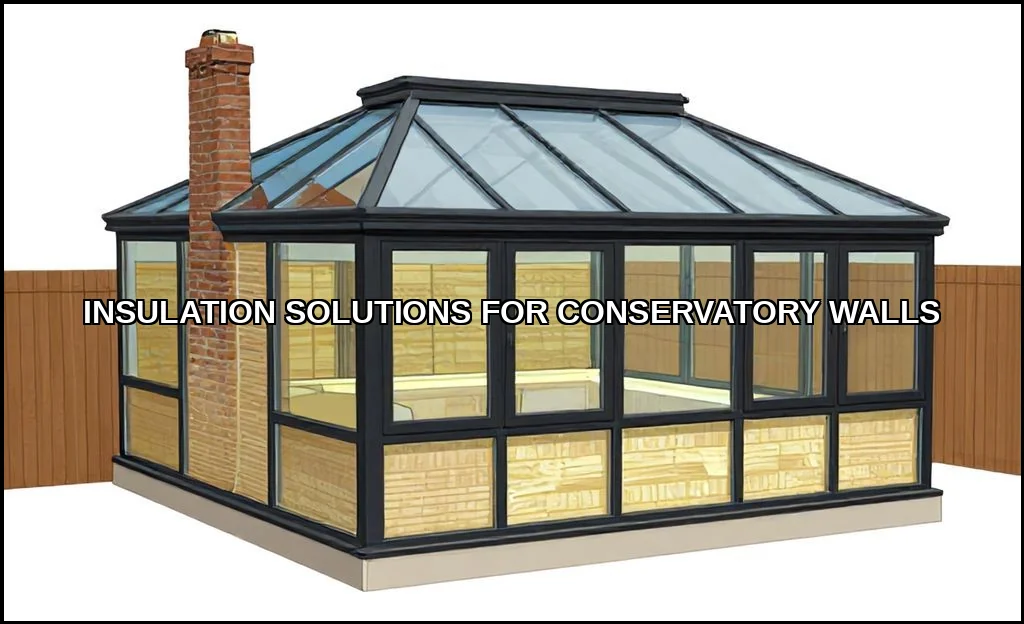
Why Insulate Your Conservatory Walls?
Think of your conservatory as a sieve for thermal energy. Single-glazed walls and thin frames lose heat rapidly. This forces your boiler to work overtime, creating a cycle of high costs and low comfort. Insulation acts as a barrier, slowing this heat transfer to a crawl.
The benefits are immediate and tangible. You’ll experience fewer cold spots, a more consistent temperature, and a drastic reduction in that chilly downdraft. This directly translates to lower heating demands. Your conservatory becomes part of your livable square footage, not a buffer zone you avoid. For the detail, see our notes on improving heat retention in lofts.
Condensation is another key battle. Warm, moist air from your home hits the cold glass and frames, leading to streaming windows and potential mould. Effective insulation raises the interior surface temperature, pushing it above the dew point. This simple physics change stops condensation in its tracks, protecting your structure and indoor air quality. It’s one of the most effective cold conservatory solutions.
The Hidden Impact on Your Home Systems
Here’s a nuance often missed: insulating your conservatory walls directly impacts your home’s HVAC load. By reducing the thermal demand of this space, you lessen the strain on your boiler or heat pump. This can improve efficiency across your entire system and even extend its lifespan. It’s a whole-house upgrade disguised as a single-room project.
Types of Conservatory Wall Insulation Materials
Choosing the right material is where strategy meets execution. Each option has its own profile for performance, thickness, and installation method. Your choice depends on your wall construction (brick, glass, or a mix), budget, and whether you’re tackling a DIY job or hiring a pro.
Rigid Insulation Boards (PIR/PUR)
These are the gold standard for high-performance thermal insulation for glass walls and solid walls. Brands like Celotex and Kingspan manufacture PIR board products known for their excellent U-value (a measure of heat loss) per inch of thickness. They’re rigid, easy to cut, and often feature a foil backing that acts as a vapour barrier.
- Best for: Maximising thermal performance where space is limited. Ideal for insulating a sunroom with solid brick or dwarf walls.
- Consideration: Requires a finished surface over it, like plasterboard.
Insulated Plasterboard
This is a fantastic retrofit insulation solution. It combines a PIR foam backing with a plasterboard face in one product. It streamlines installation, as you fix and finish in one go. Perfect for creating a clean, new internal wall surface.
- Best for: DIYers looking for a relatively straightforward upgrade to solid walls. Great for modernising the look while insulating.
- Consideration: The combined thickness can be significant, reducing interior space more than standalone boards.
Multifoil Insulation
A thinner, reflective system comprising multiple layers of foil and wadding. It works by reflecting radiant heat back into the room. It’s popular for conservatory wall panels and especially for polycarbonate roof insulation where depth is critical. If that sounds like your room, read up on utility room insulation guide next.
- Best for: Situations where every millimetre counts. Can be paired with an air gap for optimal performance.
- Consideration: Installation must be precise; gaps or compression severely reduce its effectiveness.
Natural & Flexible Insulation
Products like sheep’s wool (e.g., Thermafleece) offer a sustainable, breathable option. They are excellent for managing moisture and can be particularly relevant for older properties. For a more general approach to improving comfort, explore our guide on simple room warming techniques that complement any insulation project.
- Best for: Period properties, eco-conscious projects, or where breathability is a priority to prevent damp.
- Consideration: Typically requires a greater thickness to achieve similar U-values to PIR.
| Material Type | Typical Thickness | Key Advantage | DIY Friendliness |
|---|---|---|---|
| PIR Rigid Board | 50mm – 100mm | Highest thermal resistance | Medium (requires cutting/fixing) |
| Insulated Plasterboard | 62.5mm (combined) | All-in-one finish | High |
| Multifoil | 25mm – 40mm | Space-saving | Medium-High |
| Natural Wool | 100mm+ | Breathable & sustainable | Medium (requires framing) |
Step-by-Step Installation Guide
Whether you’re a confident DIYer or just want to understand the process before hiring a pro, knowing the steps is empowering. The core principle is creating a continuous, unbroken thermal envelope. Heres a simplified guide for insulating a solid brick conservatory wall.
1. Preparation & Safety
Clear the area completely. Check for any signs of damp or existing damage and remedy them first. Wear appropriate PPE: gloves, safety glasses, and a dust mask. Ensure you have a stable platform to work from.
2. Create a Timber Frame
Fix treated timber battens to the wall at regular intervals (e.g., 400mm centres). Use a spirit level. This frame creates a cavity to hold the insulation and provides a surface to fix your final wall finish. This step is critical for preventing thermal bridging through the battensconsider using insulated battens or adding a continuous strip of insulation behind them.
3. Install Insulation & Vapour Control
Cut your chosen insulation boards (PIR, for example) to fit snugly between the timber battens. Any gaps are thermal leaks. For optimal thermal efficiency, tape all board joints with foil tape. If your insulation isn’t foil-backed, fit a dedicated vapour barrier across the entire surface, sealing all seams.
4. Fit the Final Wall Surface
Fix plasterboard or your chosen interior lining to the timber battens. Use screws long enough to penetrate the timber securely. Fill and tape the joints, then skim or decorate as desired. For more complex spaces like attic conversions, the principles of creating a sealed envelope are similar, as detailed in our resource on effective attic room insulation.
Cost Breakdown & Energy Savings
Let’s talk numbers. The cost to insulate conservatory walls UK varies wildly based on size, material, and labour. A DIY project using PIR boards and plasterboard for a medium-sized conservatory might cost 500-1,200 in materials. Professional installation could double or triple that figure.
The return on investment, however, is compelling. Proper wall insulation can reduce heat loss from the conservatory by 60% or more. This directly cuts the energy needed to heat it. If your conservatory was adding 300-500 to your annual heating bill, you could see a payback period of 3-7 years. After that, it’s pure savings and comfort.
Don’t forget the added property value. A genuinely usable, energy-efficient living space is a strong selling point. The Energy Saving Trust provides an excellent official home insulation guide to help calculate potential savings for your specific property.
Acoustic Benefits: The Bonus Round
Here’s a frequently overlooked advantage: good thermal insulation also provides excellent sound insulation. Those rigid PIR boards and dense mineral wool are superb at damping external noise from traffic, neighbours, or rain. Your quiet sanctuary just got quieter.
FAQs: Solving Common Conservatory Problems
How do I insulate a brick conservatory wall?
Follow the step-by-step guide above. The key is the timber frame and snug-fitting insulation. For a Victorian conservatory with a single-brick dwarf wall, this method is ideal. Ensure you address any historic mortar or pointing issues first.
What’s the best insulation for a Victorian conservatory?
Breathability is crucial for period properties. Rigid PIR boards can trap moisture in old walls. Consider natural wool insulation or specialised breathable boards. Always check if your property is listed or in a conservation area; Historic England guidelines may restrict external changes or mandate specific breathable materials to protect the building’s fabric.
Does insulating conservatory walls stop condensation?
Yes, if done correctly. Insulation raises the interior surface temperature above the dew point, preventing warm moist air from condensing. However, you must control moisture at its source (use extractor fans, avoid drying clothes indoors) and ensure your insulation includes a proper vapour barrier on the warm side to stop moisture migrating into the wall structure.
Can I just use thermal blinds or secondary glazing?
Thermal blinds and secondary glazing are excellent supplementary measures. They improve the U-value of the glass itself and provide night-time insulation. However, they don’t address heat loss through the solid wall sections, frames, or thermal bridging. For a complete solution, combine wall and roof insulation with these window treatments.
The goal isn’t perfection on day one. It’s material progress. Start with draft proofing and perhaps thermal lining for the roof. Then plan for the walls. Each step moves you closer to a space you’ll use and love every day of the year. Your cold, damp conservatory problem has a clear, effective solution. The comfort is waiting.
