
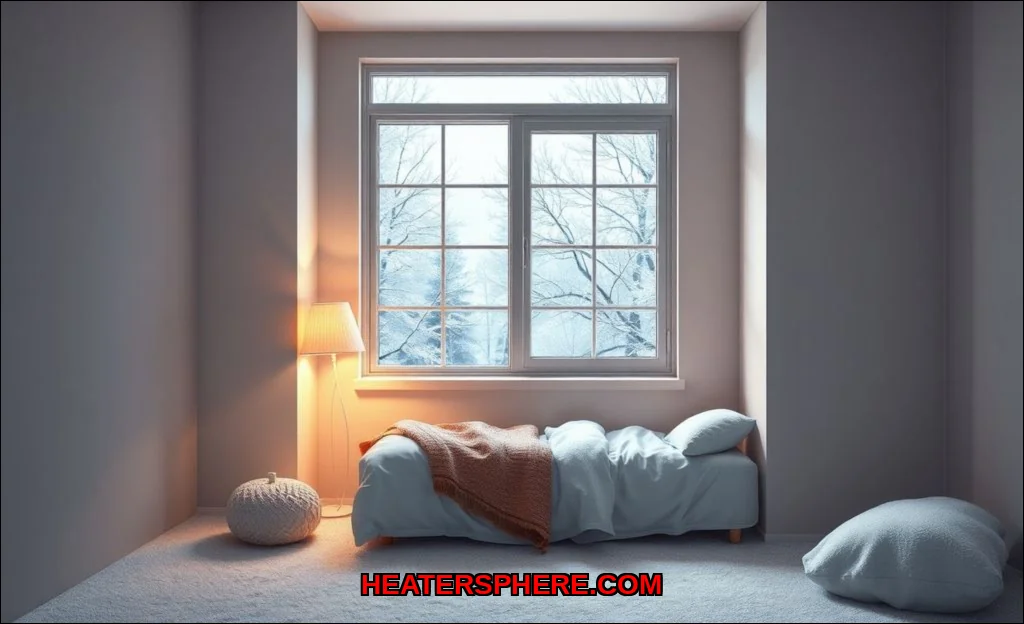
You’ve got a small, freezing box room with just one window. It feels like a refrigerator, no matter what you do. You’re not alone. These compact spaces are notoriously difficult to heat due to their size and often poor insulation. The single window is frequently the main culprit, acting as a giant hole in your thermal envelope.
But you can fix this. Warming a cold room like this is a systematic process. It combines quick wins with smarter strategies for long-term comfort. You don’t need to spend a fortune or be a DIY expert. You just need to understand where the heat is escaping and how to trap it effectively.
Why Your Box Room is So Cold
Before you start, diagnose the problem. In a small room, every flaw is magnified. The primary issue is almost always heat loss. Your precious warmth is escaping faster than it can be generated. The single window is the biggest offender, especially if it’s old or poorly sealed. You’ll feel this as a drafty window. It helps to understand keeping rooms warm with sliding doors before spending anything.
Convection currents play a major role. Cold air sinks near the window, creating a draft that flows across the floor. This chills the entire space. If you have a radiator under that window, it’s fighting a constant battle against the cold glass. The room’s small size also means it has a high surface-area-to-volume ratiolots of walls losing heat compared to the air inside.
Immediate, Low-Cost Actions to Trap Heat
Start tonight. These steps cost little to nothing and make a tangible difference. It helps to understand heating a bay window living room before spending anything.
Seal That Drafty Window
This is your number one priority. Feel around the window frame for cold air. Use weatherstripping tape for gaps in the moving parts. For larger cracks, a removable caulk or sealant works. For a comprehensive, DIY-friendly solution, consider a window insulation kit. These use clear plastic film to create an insulating air pocket. For this project, many find the Frost King V739H shrink film kit to be highly effective and easy to install.
Don’t forget the bottom of the door. A simple draft excluder (a “draft snake”) blocks cold air from creeping in from the hallway or other parts of the house.
Rearrange for Better Airflow
Your room’s layout matters. Move your bed or main seating area away from the exterior wall and the window. Place large furniture like a bookshelf against the coldest wall (often the one with the window) to act as a buffer. Ensure vents or radiators are not blocked by furniture, so warm air can circulate freely.
Use Textiles Strategically
Layers are your friend. A thick rug on a bare floor adds insulation. Heavy blankets on the bed or over a chair provide immediate warmth. When the sun goes down, close your curtains. If they’re flimsy, consider this the perfect time to upgrade to proper thermal curtains with a thermal lining. They are one of the most effective barriers for a single window.
Choosing and Using a Heater Safely and Efficiently
For targeted warmth, a dedicated heater is often the answer for a cold room. But choosing the right type is key for efficiency and safety. We cover keeping living room warm in its own guide.
Heres a quick comparison of the best type of heater for a box bedroom scenario:
| Heater Type | Best For | Considerations for a Box Room |
|---|---|---|
| Oil-Filled Radiator | Silent, sustained heat; good for overnight use. | Heats slowly but retains heat well. Very safe. Ideal if you need background warmth for hours. |
| Ceramic Fan Heater | Rapidly warming a space quickly. | Can be noisy. Best for short bursts. Ensure it has tip-over and overheat protection. |
| Convection Heater | Quiet, even heating of the air in a room. | Also known as a convector heater. Heats air that naturally circulates. Good for maintaining a steady temperature. |
Regardless of your choice, safety is non-negotiable. Always plug the space heater directly into a wall outletnever an extension lead. Keep it at least three feet away from any flammable materials like curtains, bedding, or furniture. Never leave it unattended while sleeping or when you leave the room. For more on managing tricky room layouts, see our guide on how to warm rooms with north-facing windows.
Medium-Term Improvements for Better Insulation
Once the immediate chill is gone, think about more permanent fixes. These require a bit more effort or investment but pay off in comfort and lower energy bills.
Upgrade Your Window Treatments
Invest in quality thermal curtains or cellular shades. They work like a sweater for your window. For maximum effect, ensure they are wider than the window and hang as close to the wall as possible, sealing the sides. Closing them at night is a powerful way to reduce heat loss.
Install a Heat Reflector
If you have a radiator on an exterior wall, much of its heat is wasted warming the brick or plaster behind it. A simple heat reflector panela foil-backed sheetplaced behind the radiator bounces that heat back into the room. It’s a cheap and brilliant upgrade.
Consider Secondary Glazing
For a serious draft problem, secondary glazing adds an extra pane of glass or acrylic inside your existing window. It creates a sealed air gap that dramatically improves insulation. DIY kits are available, making it a feasible project for a single window. This is a great solution if full window replacement isn’t an option. For rooms with other structural challenges, our article on warming a room with hollow interior walls offers complementary strategies.
Manage Humidity for Perceived Warmth
This is a missing piece many guides overlook. Dry air feels colder than humid air at the same temperature. A small humidifier can make the room feel warmer and more comfortable, allowing you to set your thermostat or heater a degree or two lower. Just don’t overdo it, as too much moisture can cause other issues. Readers in this position usually ask about warming a cold bedroom as well.
Your Final Checklist and Safety Reminders
Let’s bring it all together. Follow this list to systematically conquer the cold.
- Detect and Seal Drafts: Feel for air leaks at the window and door. Use weatherstripping, caulk, or a film kit.
- Deploy Thermal Barriers: Hang thermal curtains. Use a draft excluder at the door.
- Optimize Layout: Move beds away from cold walls. Unblock heat sources.
- Select the Right Heater: Choose based on your need for fast or sustained heat. Refer to the table above.
- Practice Heater Safety: Direct wall plug. Three-foot clearance. Never unattended.
- Add Reflective Insulation: Install a heat reflector behind radiators on outside walls.
- Use Localized Warmth: An electric blanket or heated throw provides efficient, personal comfort without heating the entire air volume.
Remember, the cheapest way to heat a small cold room is to stop the heat from leaving in the first place. Insulation is always more cost-effective than generating more heat. For broader energy-saving principles, the Energy Saving Trust’s guide to heating your home is an excellent resource.
You can make that box room cozy. Start with the draft-stopping quick wins tonight. Then layer in the smarter solutions. Its about creating a system that works for your space, your budget, and your comfort. No more shivering. Just a warm, inviting room that feels like part of your home.
