
You open your pantry door and feel that familiar chill. It’s noticeably colder than the rest of your home, and there’s no radiator in sight. This common issue isn’t just about comforta cold pantry can lead to problems like condensation, dampness, and even spoiled food. But you don’t need a major renovation or central heating extension to fix it.
Heating a room with no radiator is a solvable puzzle. The solution lies in a smart combination of stopping heat from escaping and adding safe, targeted warmth. You can transform that chilly storage space into a consistently temperate area. It’s about working with what you have and making strategic upgrades.
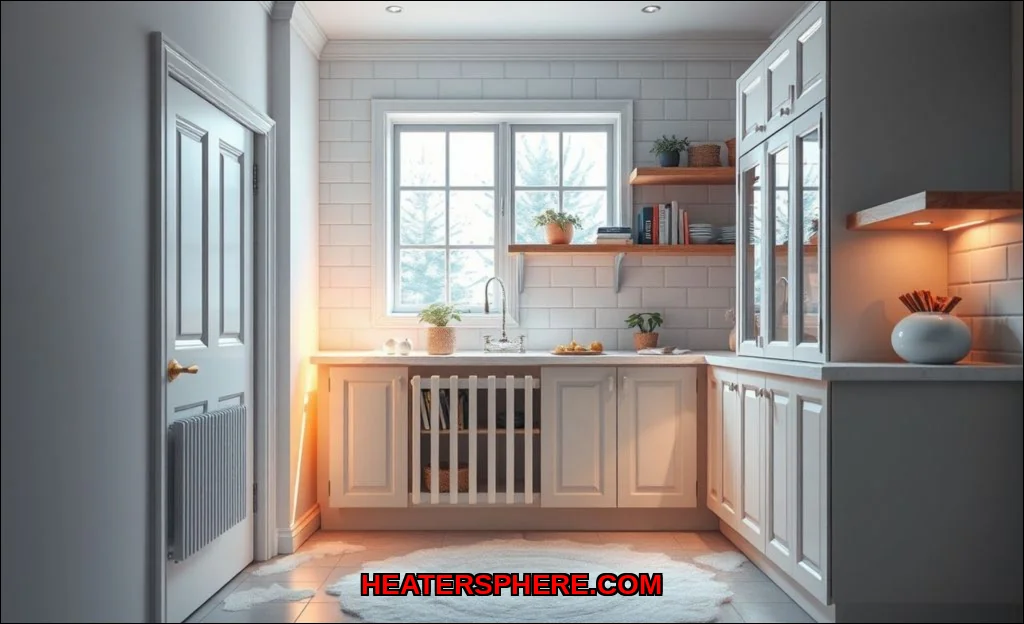
Why Is Your Pantry So Cold?
Before you start adding heat, figure out where it’s going. Pantries are often on exterior walls or in corners, making them prone to heat loss. The main culprits are usually poor insulation and air leaks. Cold air seeps in, and any warmth from your home quickly dissipates. For the detail, see our notes on how to heat a cold tv room comfortably and efficiently.
Another key factor is the thermal bridge. This is a pathwaylike a metal shelf bracket or an uninsulated wall studthat conducts heat directly from the warm interior to the cold outside. Think of it as a literal bridge for cold. Identifying these spots is the first step to fixing them. For a deeper dive into how cold air infiltrates spaces, our guide on how different heaters deal with cold air drafts explains the science.
The Impact on Your Food
Temperature fluctuations aren’t just annoying; they threaten your stored goods. Constant cold and damp create a perfect environment for mold. Some items, like oils or certain canned goods, can degrade. Maintaining a stable, cool-but-not-freezing temperature is the goal for both food safety and quality.
Passive Heat Retention: Seal the Leaks First
Your most effective and cheapest move is to keep existing warmth in. This is called passive heat retention. It’s the foundation for any heating solution you add later.
Master the Art of Draft Proofing
Draft proofing is your first line of defense. Check every seam and opening.
- Doors: Install a draft excluder along the bottom. Use self-adhesive foam tape around the door frame.
- Windows: Apply weatherstripping. For single-pane windows, a temporary interior window insulation kit works wonders.
- Vents & Gaps: Check for gaps around pipes, cables, or outlets on exterior walls. Use caulk or expanding foam to seal them.
This simple step can make a dramatic difference. You’re literally building a warmer envelope for the room.
Upgrade Insulation and Shelving
If the walls are uninsulated, consider adding rigid foam insulation panels. They’re a DIY-friendly project for a small space. Now, think about your shelves. Metal shelves act as a significant thermal bridge, drawing cold into your food. Switching to wooden shelves provides a natural insulating barrier. It’s a small change with a tangible impact on ambient warmth. It helps to understand heating a storage room before spending anything.
Active Heating Solutions Safe for Pantries
Once you’ve sealed leaks, you can add heat. Safety is non-negotiable here. You need a heater designed for small, sometimes confined, spaces with no open, glowing elements.
Choosing the Right Heater
For a cold pantry with no radiator, you need a safe, efficient, and set-and-forget option. Oil-filled radiators are excellent for sustained, gentle heat. Ceramic fan heaters with a thermostat are good for quick warm-ups. The key feature to look for is thermostatically controlled. This allows the heater to maintain a set temperature and cycle off automatically, saving energy and preventing overheating.
For a balanced combination of safety, quiet operation, and precise temperature control, many find a compact ceramic heater ideal. A product like the DREO Space Heater fits this need well, offering features like overheat protection and a tip-over switch that are crucial for an unattended space like a pantry.
Strategic Placement and Use
Never place a heater directly against shelves or boxes. Keep it on a flat, level floor with at least three feet of clearance on all sides. Use it intermittentlyperhaps for an hour in the morning and eveningrather than continuously. This is often enough to take the deep chill off a well-sealed space. For more strategies on warming a room without central systems, explore our article on how to make a cold room warmer without central heating.
Managing Moisture and Air Quality
Heat alone isn’t the full answer. A cold pantry often becomes a damp pantry. When warm, moist air from your kitchen meets the cold pantry surfaces, it creates condensation. This dampness promotes mold and mildew.
The Role of a Dehumidifier
This is where a dehumidifier becomes a game-changer. A small, electric desiccant dehumidifier can run quietly in the corner. It pulls moisture from the air, preventing condensation on walls and food packaging. By managing humidity, you make the space feel subjectively warmer and protect your stored goods. It’s one of the best methods for preventing damp and mold in an unheated pantry.
Ventilation is Key
Controlled airflow prevents stale, moist air from settling. If your pantry has a vent, make sure it’s clear. If not, simply leaving the door ajar for a few hours each day (when you’re home and heating the adjacent room) allows air to circulate. This simple habit disrupts the stagnant, cold pockets of air.
Safety First: Non-Negotiable Precautions
Adding heat to a storage area requires vigilance. Follow these rules religiously.
- Never Leave Heaters Unattended Long-Term: While thermostatically controlled heaters are safer, it’s best not to run them 24/7 when you’re asleep or away from home.
- Clearance is Crucial: Maintain that three-foot zone free of boxes, paper goods, or cleaning chemicals.
- Plug Directly into the Wall: Avoid extension cords or power strips, which can overheat.
- Check Smoke Alarms: Ensure a working smoke alarm is nearby outside the pantry.
- Know Food Safety Temperatures: Your goal is to keep the pantry above 50F (10C) to prevent freezing of certain items and below 70F (21C) to slow degradation. A simple thermometer lets you monitor this.
For comprehensive guidelines on safe heating systems, the U.S. Department of Energy’s resource on home heating systems provides excellent foundational knowledge.
Putting It All Together: A Practical Plan
So, what’s the best way to heat a small cold room safely? Follow this sequence for cheap methods to warm a pantry with no radiator.
- Investigate: On a windy day, feel for drafts. Look for signs of moisture or mold.
- Seal: Implement draft proofing. Add weatherstripping, door sweeps, and seal gaps. Consider swapping metal shelves for wood.
- Dry: Introduce a small dehumidifier to tackle moisture before you even add heat.
- Heat Smartly: Choose a safe, thermostatically controlled heater. Use it for short, targeted periods to raise the baseline temperature.
- Monitor: Place a thermometer and a hygrometer (humidity meter) in the pantry. Aim for 50-70F and below 60% relative humidity.
This layered approachsealing, drying, then carefully heatingis far more effective and efficient than just blasting a heater in a leaky, damp box. You’re creating a stable microclimate.
Transforming your cold pantry is entirely within reach. Start by stopping the leaks and managing the moisture. These passive steps often solve half the problem. Then, introduce a safe, controlled heat source for those extra-cold periods. Remember, the goal isn’t to make it toasty warm, but to achieve a consistent, cool-dry state that protects your food and your home. Grab a draft excluder and a thermometer this weekend. Your pantryand everything in itwill thank you.
