
Your student room feels like a fridge. The walls are thin, the window lets in a draught, and turning up the central heating means an argument with housemates and a scary bill. We get it. Heating a cold box room on a student budget is a real challenge, but it’s not impossible. With the right strategies, you can create a warm, efficient, and safe space without breaking the bank.
This guide is your practical playbook. We’ll walk through low-cost insulation tricks, smart heater choices, and daily habits that make a huge difference. For a reliable, safe option that heats small spaces quickly, many students find a portable ceramic heater like the DREO Space Heater to be a solid investment. It combines fast warmth with essential safety features, which we’ll discuss in detail.
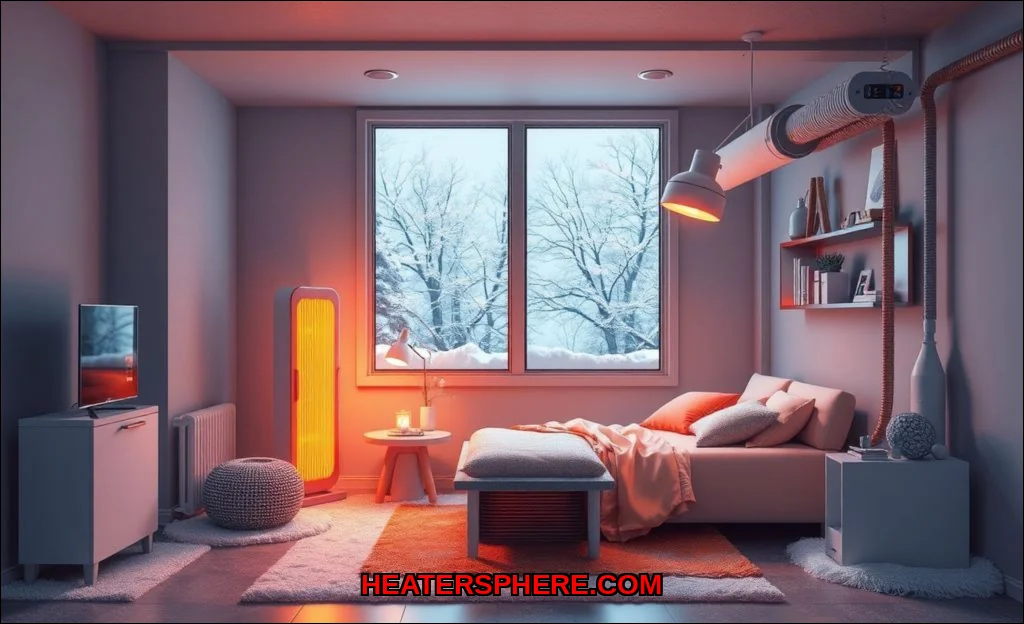
The Student Box Room Heating Challenge
First, let’s define the problem. A ‘box room’ is often the smallest bedroom in a shared house. It might have a single-glazed window, poor insulation, and be positioned in a cold corner. Your goal isn’t to heat the whole house, just your personal space efficiently. This means focusing on draught-proofing, targeted heating, and moisture control. Remember, your tenancy agreement (especially in an HMO) may have rules about portable heaters or blocking ventsalways check first.
Quick Wins: Insulation and Draught-Proofing (Low/No Cost)
Before you even plug in a heater, stop the warmth from escaping. This is the most cost-effective step you can take. Before you buy anything, it is worth looking at heating options for student living.
Seal the Gaps
Feel for cold air around windows, doors, and even keyholes. A simple draught excluder at the base of your door (a rolled-up towel works) blocks a major cold air highway. For window gaps, inexpensive self-adhesive foam tape is a student classic.
Harness Your Windows
Windows are often the weakest link. During the day, open curtains to let sunlight naturally warm the room. As soon as it gets dark, close them. If you can invest in one thing, make it thermal curtains or even a thermal liner for your existing curtains. They act as a significant insulating barrier.
The Radiator Trick
If you have a radiator on an outside wall, a lot of heat is lost straight through it. A radiator reflectora foil-backed sheet placed behind the radiatorbounces that heat back into your room. You can make a DIY version with cardboard and kitchen foil.
Choosing and Using Portable Heaters Safely
When insulation isn’t enough, a portable heater is your best friend. But choosing the right type is critical for safety and efficiency in a tiny room.
Heater Types for Small Spaces
Not all heaters are created equal for a cramped student room.
- Oil-Filled Radiators: Great for sustained, gentle heat. They’re silent and very safe, but slower to warm up a room.
- Ceramic Fan Heaters: Excellent for fast heating. They blow warm air directly into the space, making them ideal for taking the chill off quickly. Models like the DREO Space Heater fall into this category.
- Halogen Heaters: Provide instant, directional radiant heat (like sunshine). Perfect for heating just you at a desk, but less effective for the whole room.
For a deeper dive into the pros and cons of each type for compact spaces, our guide on the best heater type for quickly heating box bedrooms is a great resource.
Non-Negotiable Safety Features
This is paramount. Always look for these certifications and features:
- Safety Certifications: In the UK, look for the UKCA or CE mark. This means the product meets essential health and safety requirements.
- Tip-Over Protection: The heater switches off automatically if knocked over.
- Overheating Protection: Cuts power if internal components get too hot.
- Cool-Touch Exterior: Vital to prevent burns if you accidentally brush against it.
Never leave a heater on unattended or while you sleep. Keep it at least one metre away from curtains, bedding, or furniture. For the detail, see our notes on best heaters for indoors.
Smart Heating Habits to Maximise Warmth & Minimise Cost
How you use your heating is just as important as what you use. Small changes lead to big savings on your energy bills.
Embrace the Timer Function
If your heater has a timer function, use it strategically. Set it to turn on 30 minutes before you get back from lectures, and to turn off as you go to sleep. You avoid heating an empty room and only pay for warmth when you need it.
Heat the Person, Not the Space
Sometimes, localized warmth is all you need. An electric blanket on your bed uses a fraction of the energy of a room heater. (A common long-tail question is, is it safe to use an electric blanket all night? Modern ones with auto-shutoff are designed for this, but always follow the manufacturer’s instructions). Thermal underwear and thick socks are also incredibly effective and cheap.
Control Humidity
Damp air feels colder. A small room with poor ventilation can get clammy. Humidity control is simple: open the window for 10 minutes after a shower, dry clothes outside if possible, and consider a small moisture absorber. Dry air feels warmer at a lower temperature.
Health, Safety, and When to Seek Help
Living in a persistently cold, damp room isn’t just uncomfortableit’s a health risk. It can exacerbate asthma and lead to mould growth, which causes respiratory issues.
Know Your Rights and Resources
Landlords have a legal obligation to ensure your home is fit to live in. If your room is chronically cold due to structural issues (e.g., no heating, broken windows, serious damp), report it in writing to your landlord or agent. If the issue isn’t resolved, contact your university’s student union advice centre. They can help with tenant rights.
Financial Hardship Support
If heating costs are causing genuine financial stress, don’t suffer in silence. Most universities have hardship funds designed to help students in exactly this situation. It’s worth having a confidential chat with your student support services. For general energy-saving advice, the Energy Saving Trust’s guide to heating your home is an authoritative external resource.
The Final Checklist for Fast Warmth
Need to heat up quickly for a study session? Here’s your rapid-action plan:
- Close the door and use a draught excluder.
- Draw your curtains (thermal if you have them).
- Put on a warm layera hoodie makes a difference.
- Use a focused heater like a ceramic fan heater pointed at your desk area. For the fastest results in a very cold room, see our recommendations for the best heater for fast heating in cold office roomsthe principles are identical.
- After 20 minutes, turn the heater down or off. The insulated room will retain the warmth.
Winning the battle against a cold box room is about strategy, not just brute force. Start by plugging the leaks and adding insulationthese free steps are your foundation. Choose a portable heater with the right safety credentials for your needs, and use it smartly with timers and targeted habits. Layer up, control moisture, and know where to turn for help if your housing situation is unacceptable. You can be warm, safe, and in control of your costs. Now, put the kettle on and enjoy your cosier space.
